Category: Winery

  • Masseria Li Veli – Cellino San Marco

    Masseria Li Veli – Cellino San Marco

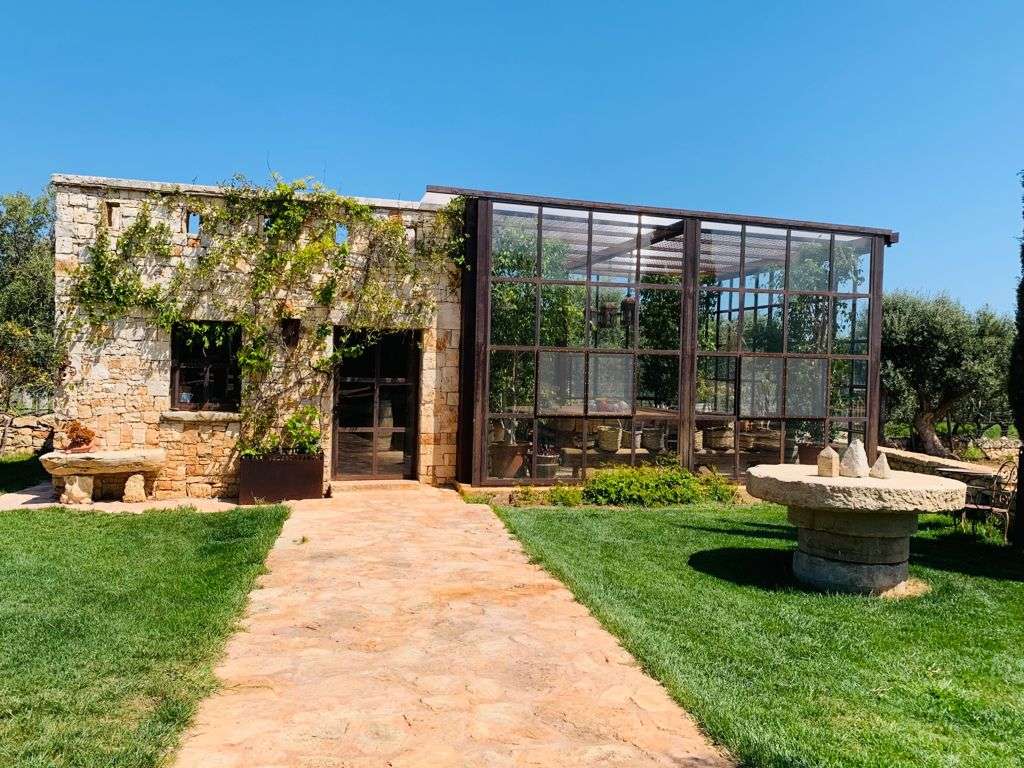
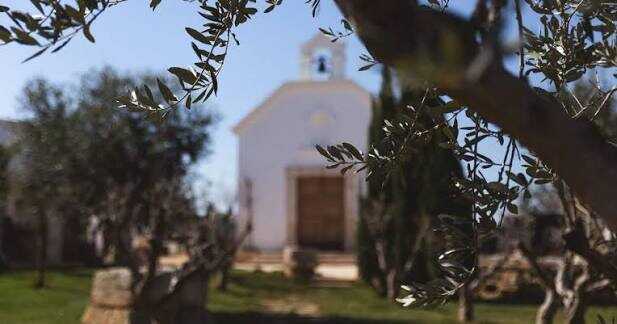
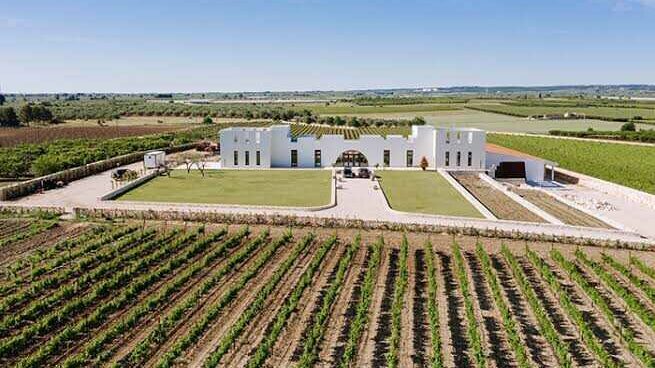
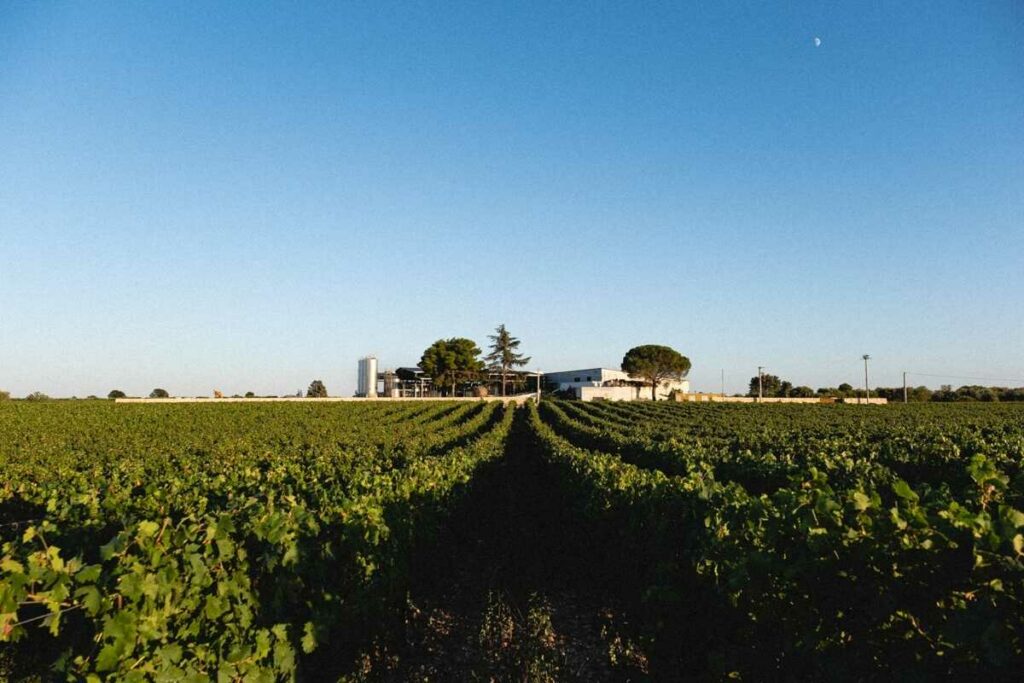
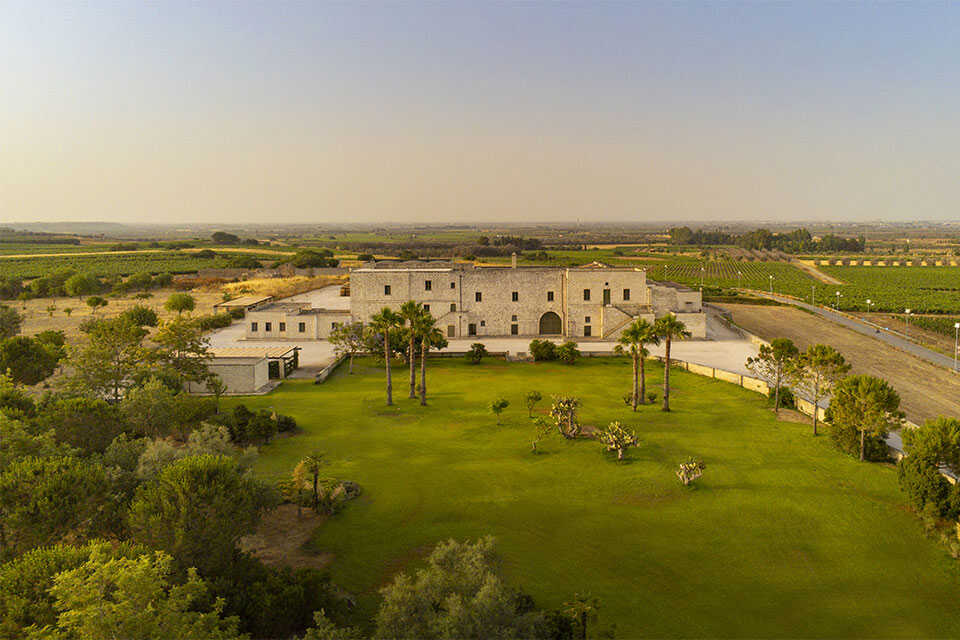
    In the heart of Salento, in Cellino San Marco, in the province of Brindisi, Masseria Li Veli is one of Puglia’s most fascinating wine estates.
    Masseria Li Veli - Cellino San Marco
    Masseria Li Veli – Cellino San Marco

    Set in a region whose history has always been closely linked to vine cultivation, the estate combines a long agricultural heritage with a modern approach to winemaking, with particular emphasis on native grape varieties and the preservation of the area’s distinctive identity. Today, the winery is an ideal destination not only for wine enthusiasts, but also for anyone wishing to discover the landscape, culture, and traditions of Salento at closer quarters.

    The philosophy of Masseria Li Veli is rooted in the meeting of land, family, research, and expertise. The vineyards and winery thus become the starting point for telling the story of an authentic Puglia—one that looks to the future without abandoning its roots.

    The history of Masseria Li Veli

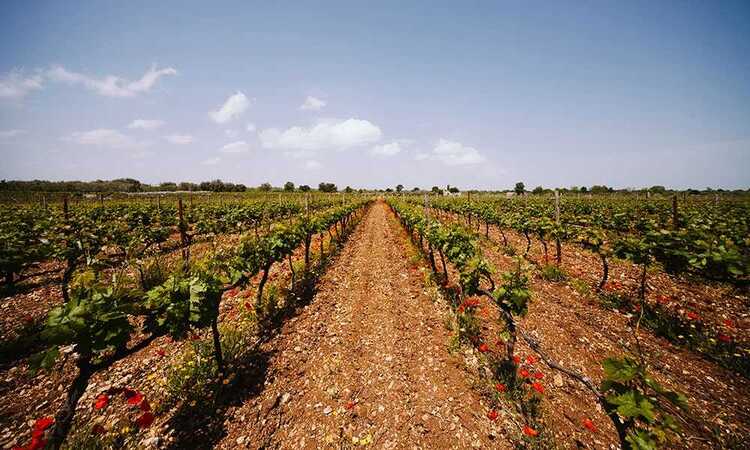
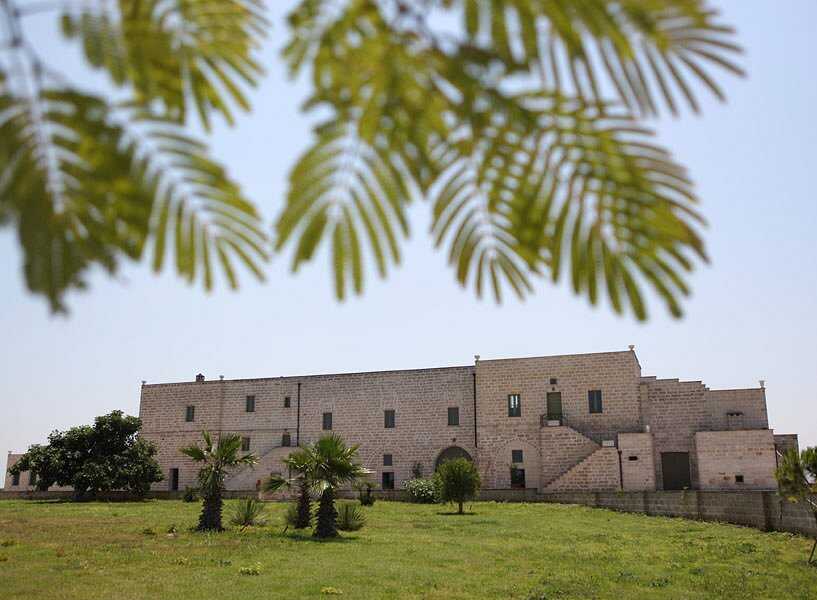
    The history of Masseria Li Veli is deeply rooted in a land with a thousand-year-old tradition, as evidenced by the ancient caves, engravings, and the historic road known as the “Limite dei Greci” (“Boundary of the Greeks”), which still runs through the vineyards today.
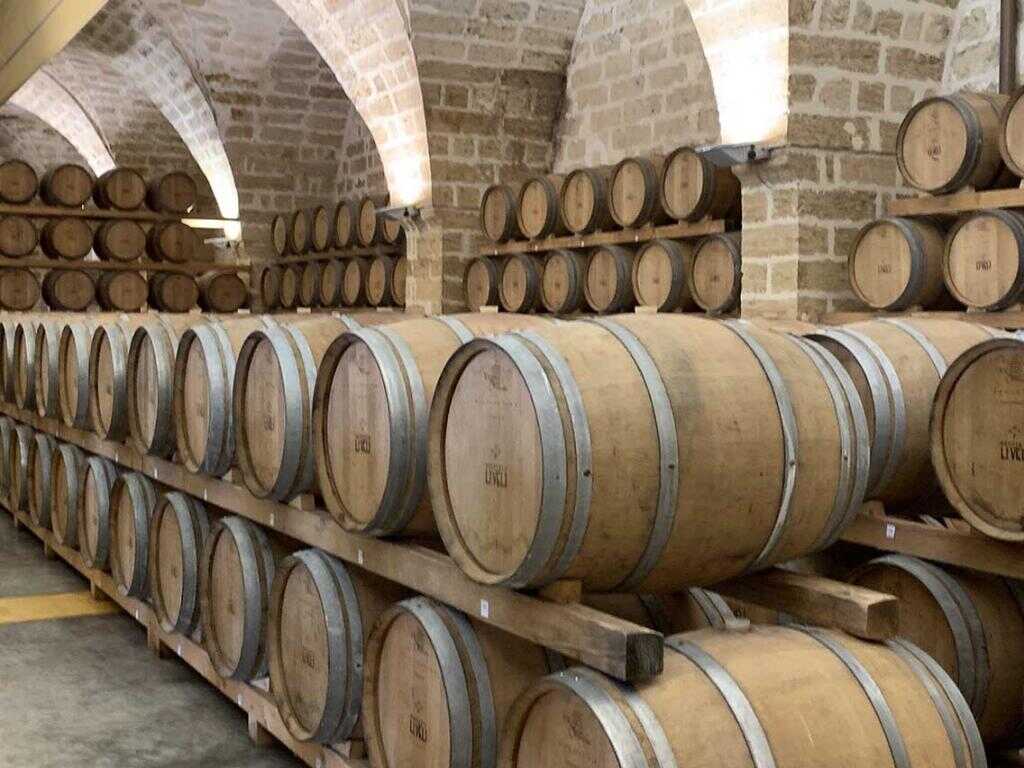
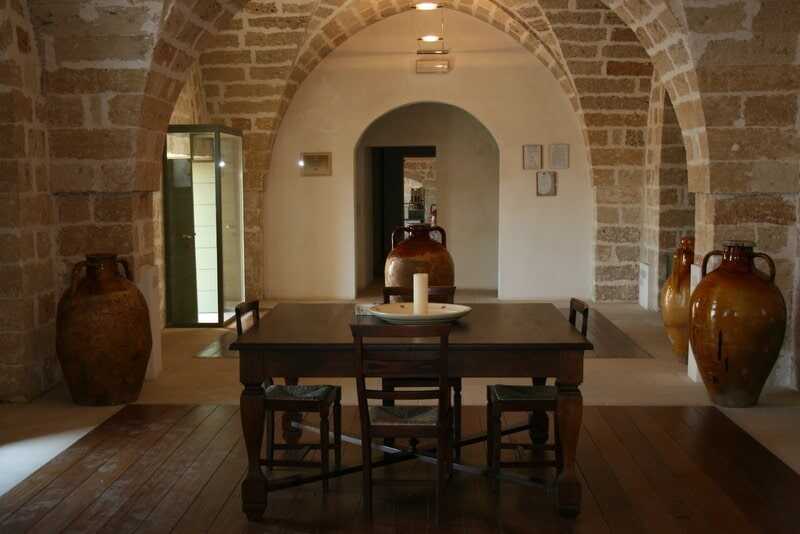
    At the end of the nineteenth century, Marquis Antonio de Viti de Marco transformed the masseria into an innovative agricultural and winemaking estate, turning it into an important center for experimentation and wine production. For several years, Li Veli became a benchmark for Puglian viticulture, thanks to a vision based on innovation, research, and the enhancement of local resources.

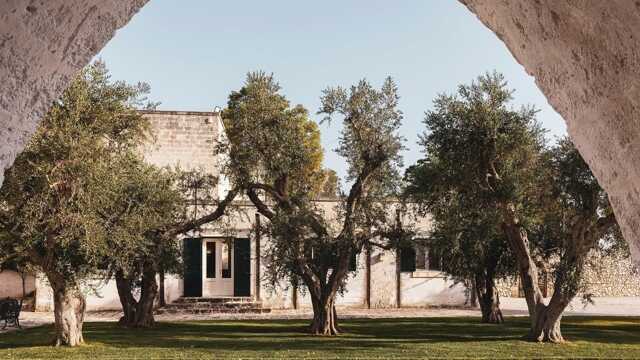
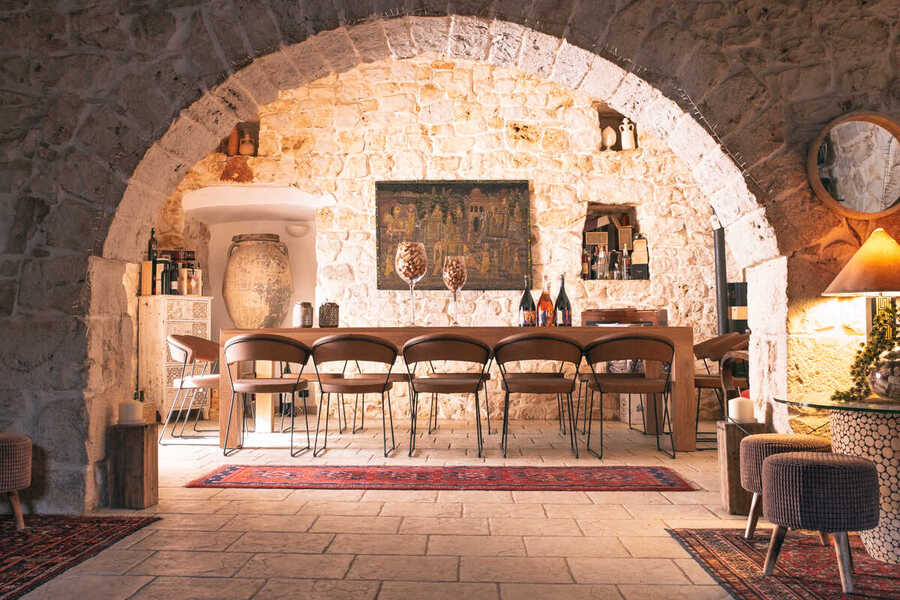
    Following its acquisition in 1999 by a group led by Avignonesi, the estate passed to brothers Edoardo and Alfredo Falvo in 2008, marking the beginning of a new chapter of growth and development. Today, the historic winery, built in carparo—the traditional local limestone—retains the charm of the past while incorporating modern technologies and a strong focus on energy efficiency. This includes a photovoltaic system, reflecting the estate’s commitment to efficiency and the use of renewable energy.

    Production and famous labels

    Masseria Li Veli’s production focuses on the native grape varieties of Puglia and the region’s rich winemaking heritage.
    Masseria Li Veli - Cellino San Marco
    Masseria Li Veli – Cellino San Marco

    One of its most significant projects is Askos, dedicated to the research, selection, and preservation of native Puglian grape varieties at risk of extinction. The name refers to the ancient askos, a vessel used in the Greek world, and the project currently includes four interpretations: Askos Malvasia Nera, Askos Susumaniello, Askos Verdeca,and Askos Susumaniello Rosato.
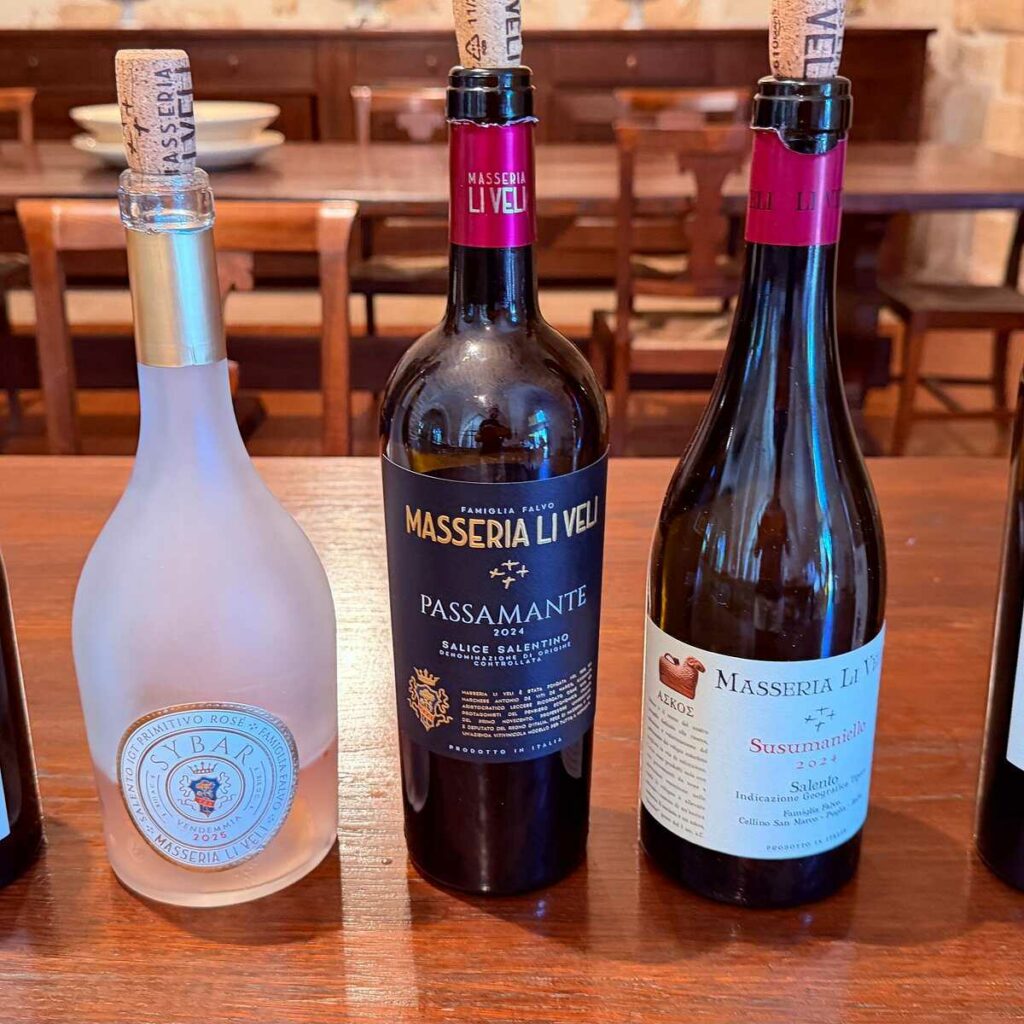
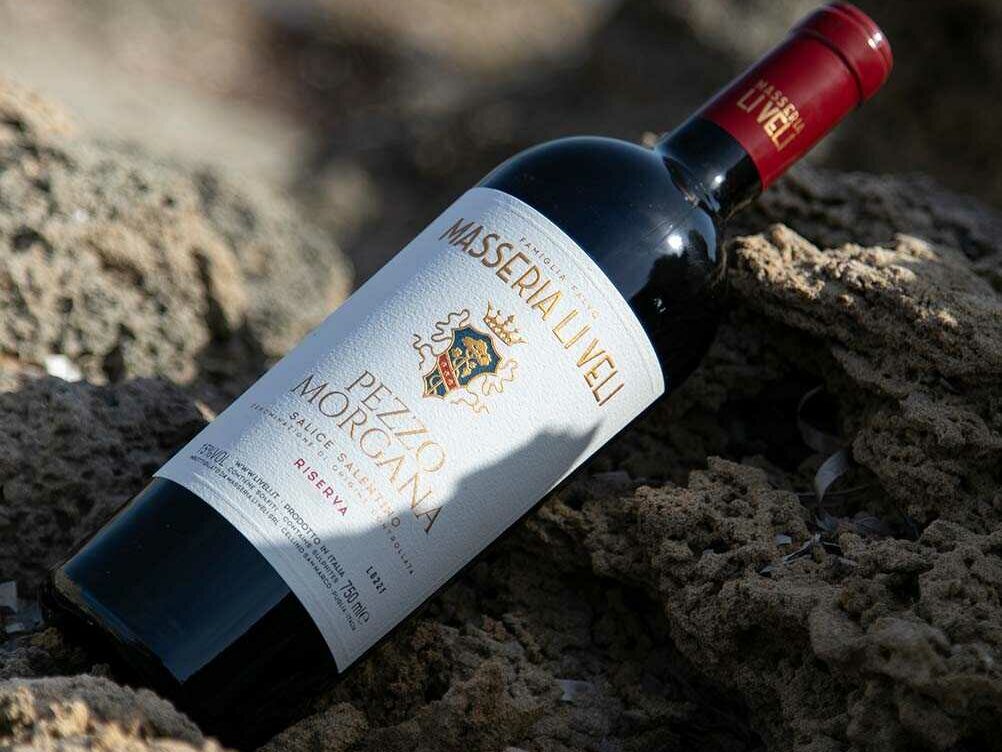
    Among the winery’s most notable labels are also MLV Salento IGT Primitivo, Pezzo Morgana Salice Salentino DOC Riserva, and Le Cerrate Primitivo di Manduria DOC. These wines showcase some of Salento’s most representative grape varieties and offer an opportunity to appreciate the different expressions of Li Veli’s winemaking.

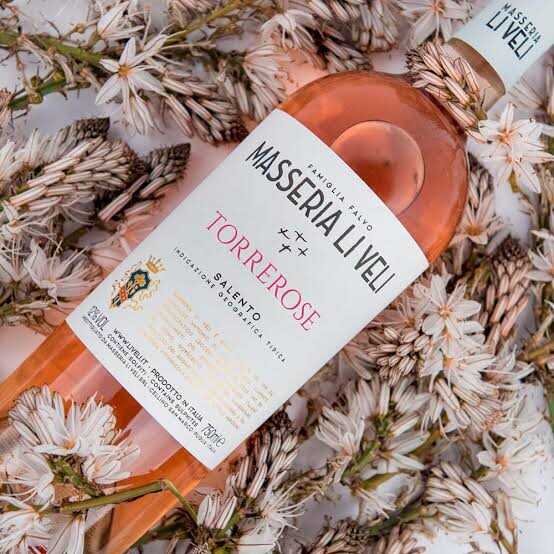
    The winery’s work with Susumaniello, a traditional grape variety of the area, is particularly noteworthy. Li Veli interprets it both as a red wine and as a rosé. Askos Susumaniello, for example, is made from vineyards more than twenty years old and is fermented and aged in wood, while the rosé version focuses on freshness, minerality, and a distinctly maritime character.

    Wine Tastings and Tours

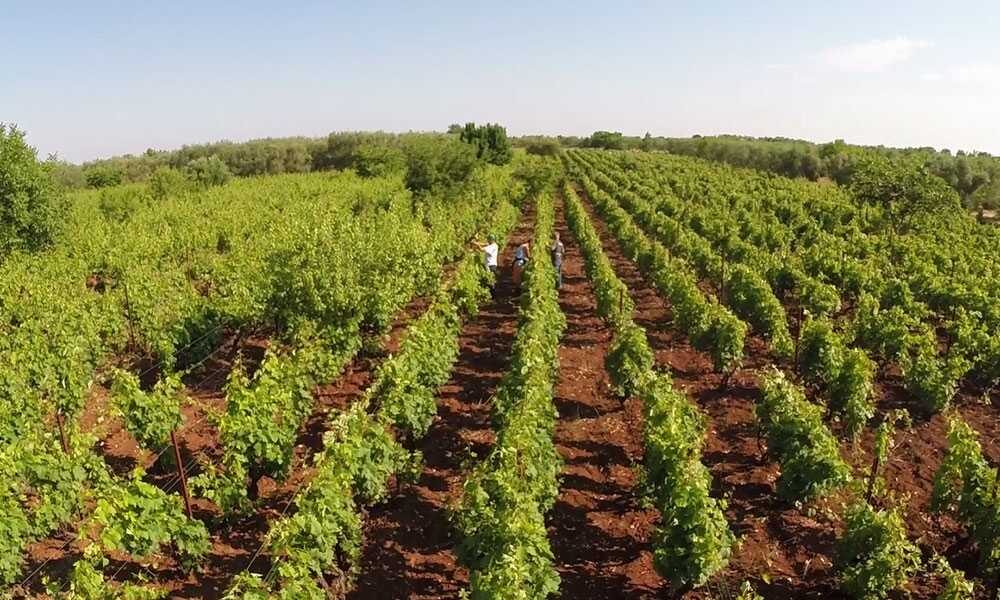
    Visiting Masseria Li Veli means entering the world of winemaking by starting directly from the place where everything begins. The winery’s tours take guests through the history of the masseria, the surrounding vineyards, and the production facilities, offering an insight into the various stages through which grapes make their journey from harvest to bottle.
    Masseria Li Veli - Cellino San Marco
    Masseria Li Veli – Cellino San Marco

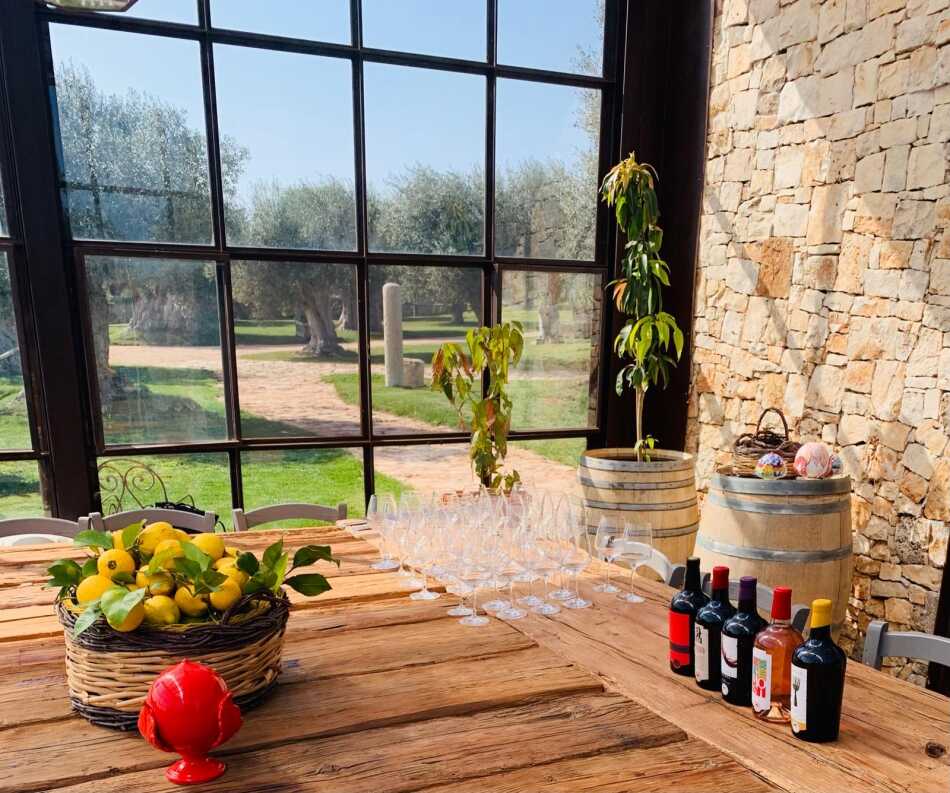
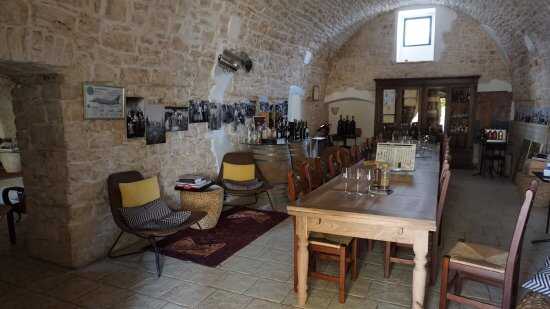
    During the tour, guests are introduced to the processes of grape harvesting, vinification, ageing, and bottling, with an explanation that connects winemaking techniques to the characteristics of the grape varieties and the local terroir. The experience concludes with a tasting of the current vintages, featuring a representative selection of the estate’s wines.

    For those wishing to make the tasting an even more authentic expression of Salento’s culinary traditions, the winery also offers an experience accompanied by a selection of typical local delicacies, including fresh and aged cheeses, capocollo cured meat, friselline topped with seasonal vegetables, stuffed focaccia, olives, and taralli. The wines are thus paired with some of the most characteristic flavors of Puglian cuisine.
    Masseria Li Veli - Cellino San Marco
    Masseria Li Veli – Cellino San Marco

    Masseria Li Veli is much more than a winery: it is a place where history, landscape, and wine culture come together.

    Its focus on native grape varieties, the Askos project, its commitment to sustainability, and its wine-tasting experiences make Li Veli an interesting destination for anyone wishing to discover Salento through one of its most distinctive products: wine. A visit to the masseria offers the opportunity not only to discover its wines, but above all to understand the land and history behind every bottle.
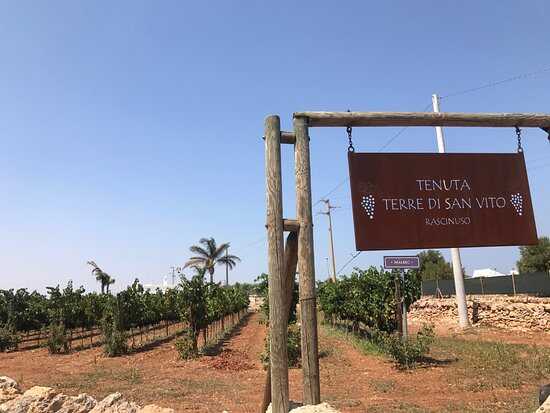
  • Terre di San Vito Winery – Polignano a Mare

    Terre di San Vito Winery – Polignano a Mare

    Nestled among centuries-old olive trees and orderly rows of vines, Tenuta Terre di San Vito lies in the countryside of Polignano a Mare, one of the most charming destinations along the Adriatic coast. Here, far from the bustle of the city yet only a few kilometers from the sea, the landscape becomes an authentic postcard of Puglia: fertile land, intense sunlight, and an agricultural tradition that can be felt in every corner.

    The vision

    Terre di San Vito is not just a winery, but a life project born from the desire to restore an authentic connection with the land. Its story is rooted in a passion handed down through generations: from great-grandparents Gianluca and Lauretta to the present-day family, who continue to cultivate vineyards and olive groves with daily dedication.
    This family dimension is reflected in every detail: from the artisanal care devoted to production to the philosophy of “few but excellent,” which prioritizes quality, patience, and respect for nature over industrial-scale production.

    Terre di San Vito Winery - Polignano a Mare
    Terre di San Vito Winery – Polignano a Mare

    Signature Wines and Agricultural Production

    The beating heart of the estate is its wine production, which combines international and native Apulian grape varieties grown in a terroir influenced by the nearby sea.

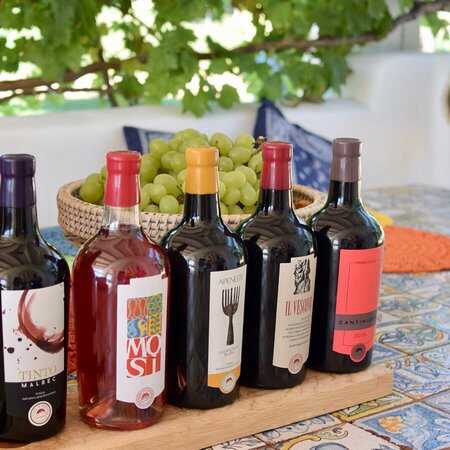
    Among the most representative labels are:

    • Il Vescovo – a blend of Malbec and Cabernet Sauvignon, a structured and intense red wine
    • Tinto – a pure Malbec, velvety and aromatic
    • Apeneste – a fresh and fragrant Sauvignon Blanc
    • Cantiniere – an elegant and full-bodied Primitivo
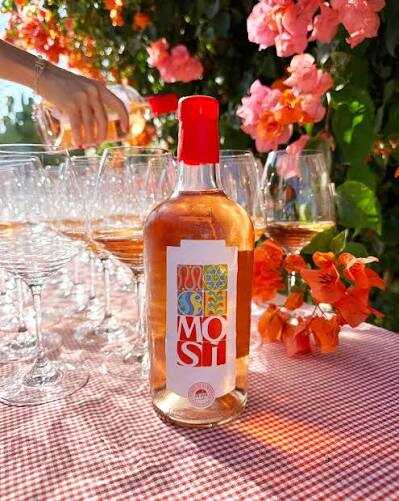
    • Mosì – a rosé made from Bombino Nero grapes, fragrant and persistent.

    Production is limited and artisanal: many bottles are still labeled by hand, a detail that perfectly reflects the estate’s philosophy.

    Alongside wine, the estate also produces extra virgin olive oil from Coratina olives, processed according to traditional methods, as well as jams and preserved vegetables made with locally sourced ingredients.

    One distinctive feature is the attention given to biodiversity and local traditions: Terre di San Vito is also a Slow Food presidium for the famous Carrot of Polignano, still cultivated according to historic farming practices.

    Experiences and Authentic Flavors

    Visiting Terre di San Vito means enjoying an immersive experience in the rural culture of Puglia. The activities revolve around wine tasting experiences that begin with a walk through vineyards and olive groves, accompanied by stories about the estate’s history.

    Terre di San Vito Winery - Polignano a Mare
    Terre di San Vito Winery – Polignano a Mare

    The tour concludes with a guided tasting of the winery’s labels paired with local specialties: a true sensory journey through authentic flavors and farming traditions.

    Visits are available by reservation and allow guests to discover not only the wines, but the entire ecosystem of the estate: vegetable gardens, orchards, olive trees, and even handcrafted productions, all within an intimate and authentic setting.

    For those visiting Polignano a Mare and wishing to go beyond its spectacular cliffs, this winery offers an intimate experience filled with aromas, flavors, and authentic stories. A place where time seems to slow down, leaving space for the simple pleasure of conviviality and discovery.

    Terre di San Vito Winery - Polignano a Mare
    Terre di San Vito Winery – Polignano a Mare
  • Tenute Rubino Winery – Brindisi

    Tenute Rubino Winery – Brindisi

    Located in the territory of Brindisi, in northern Salento, Tenute Rubino enjoys a geographical position that is particularly well suited to viticulture.

    Tenute Rubino Winery - Brindisi
    Tenute Rubino Winery – Brindisi

    Here, the proximity to the Adriatic Sea, the constant sea breezes, and the limestone-clay soils create the perfect microclimate for growing vines. The balance between intense sunshine and natural ventilation allows the grapes to ripen evenly, enhancing the wines’ aromas, freshness, and structure.

    The winery is easily reachable from the city and is set within a territory rich in history, crossed by the ancient Via Appia and Via Traiana, today recognized as a UNESCO World Heritage route.

    A story of family and vision

    The story of Tenute Rubino is, above all, a family story.

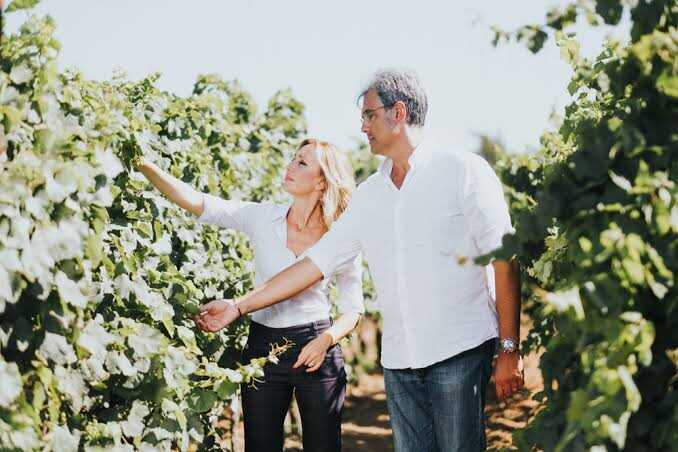
    The project began in the 1980s thanks to the vision of Tommaso Rubino, who strongly believed in the winemaking potential of the Brindisi area. Later, his son Luigi, together with his wife Romina Leopardi, transformed that vision into a structured winery brand in 1999, creating the modern estate based in Brindisi.

    Tenute Rubino Winery - Brindisi
    Tenute Rubino Winery – Brindisi

    Over time, the company expanded across several estates throughout Puglia — from Jaddico to Uggio Punta Aquila and the Valle d’Itria — each one capable of expressing different nuances of the local terroir.

    What truly makes this winery unique, however, is its role in rediscovering Susumaniello, a native grape variety that had almost disappeared.

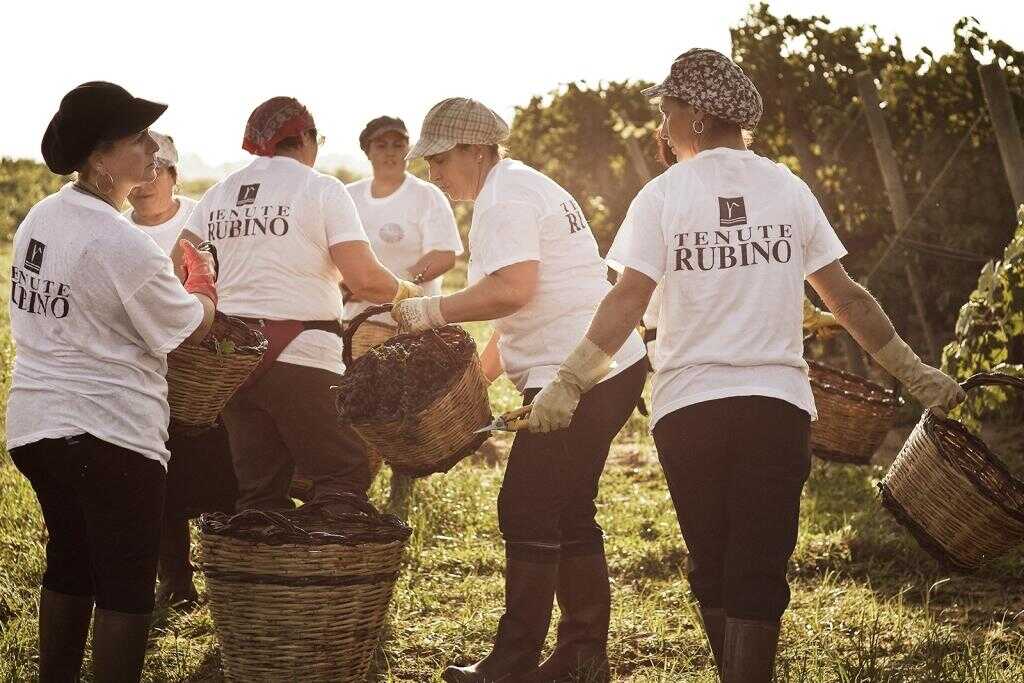
    The recovery of Susumaniello is one of the winery’s defining achievements. While many producers abandoned the grape during the 1990s because of its low yields, Tenute Rubino chose to invest in it, playing a key role in its revival and current success.

    Iconic wines and production

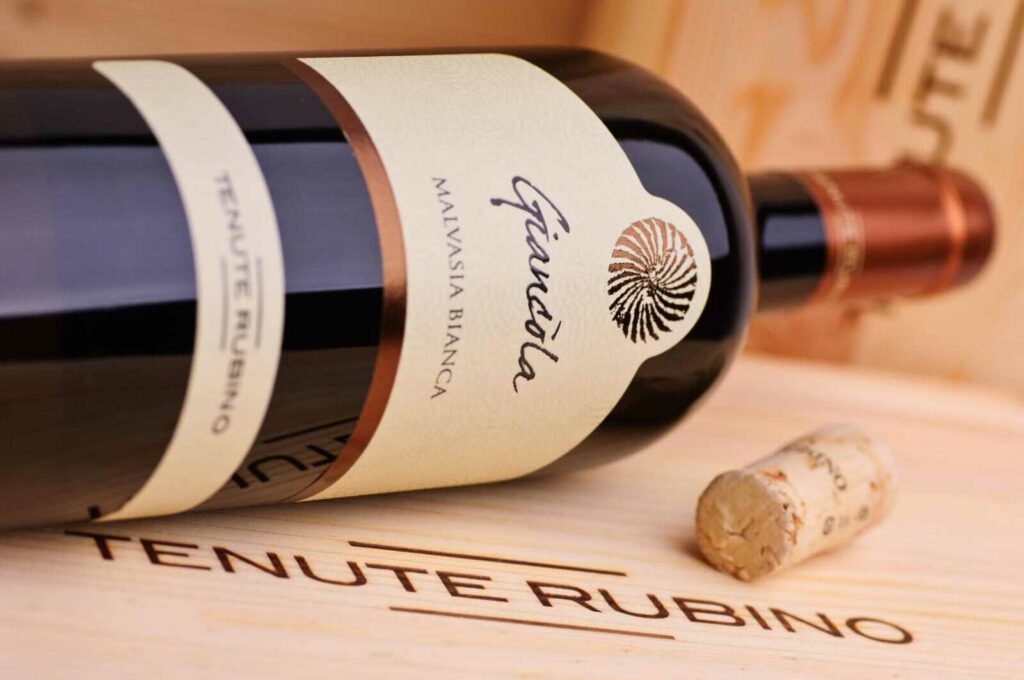
    The production philosophy of Tenute Rubino is deeply rooted in territorial identity. The winery focuses mainly on native Apulian grape varieties such as Susumaniello, Primitivo, Negroamaro, and Malvasia, interpreted through a modern approach while maintaining a strong connection to tradition.

    Tenute Rubino Winery - Brindisi
    Tenute Rubino Winery – Brindisi

    Among the most representative labels is Torre Testa, considered a true symbol of Susumaniello and winner of several important national and international awards.

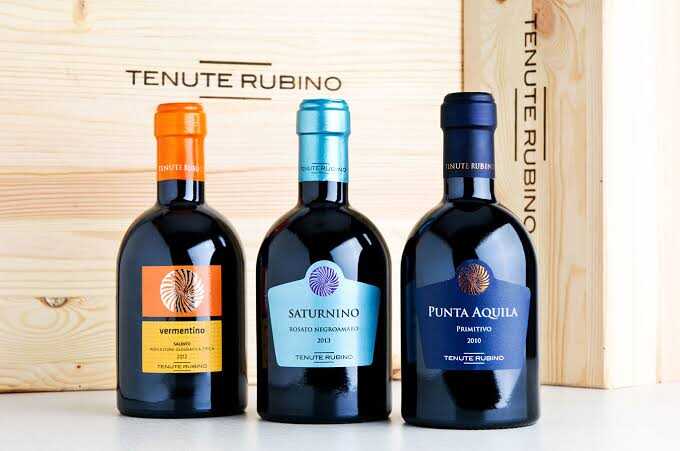
    Alongside it are wines such as Visellio, Oltremé, Jaddico, and Punta Aquila, all created through careful winemaking research and a deep commitment to enhancing the unique characteristics of each estate.

    Tenute Rubino Winery - Brindisi
    Tenute Rubino Winery – Brindisi

    With hundreds of hectares of vineyards and an annual production exceeding one million bottles, the winery has become an important reference point for Apulian wine on international markets.

    Wine experiences and tastings

    The true beating heart of the Tenute Rubino experience is wine tourism.

    Visiting the winery means entering a world of stories, aromas, and traditions, where every detail is designed to fully involve the visitor.

    Tenute Rubino Winery - Brindisi
    Tenute Rubino Winery – Brindisi

    The winery offers several carefully curated experiences:

    • Guided winery tours: a journey through vineyards and barrel cellars that explains every stage of production, from harvest to aging;
    • Themed tastings: selections of wines paired with traditional local products for a complete sensory experience;
    • Susumaniello Experience: the most exclusive tasting, dedicated entirely to the winery’s signature grape variety and paired with local gastronomy;
    • Appia Wine Road Experience: an itinerary combining wine and history while retracing the ancient routes of the Via Appia.

    What makes these experiences especially engaging is the storytelling approach. Every tasting becomes a narrative about the territory, the people, and the choices behind the wines. It is not simply about drinking wine, but about understanding its deeper identity.

    The presence of the wine bar Numero Primo also allows visitors to extend the experience in a more relaxed setting, with sea views and traditional Salento food pairings.

    Ultimately, visiting Tenute Rubino means immersing yourself in a story shaped by family, territory, and a contemporary vision of wine. Between ancient history and innovation, the winery is not simply a producer, but a true destination for anyone wishing to discover the most authentic side of Salento through a glass of wine.

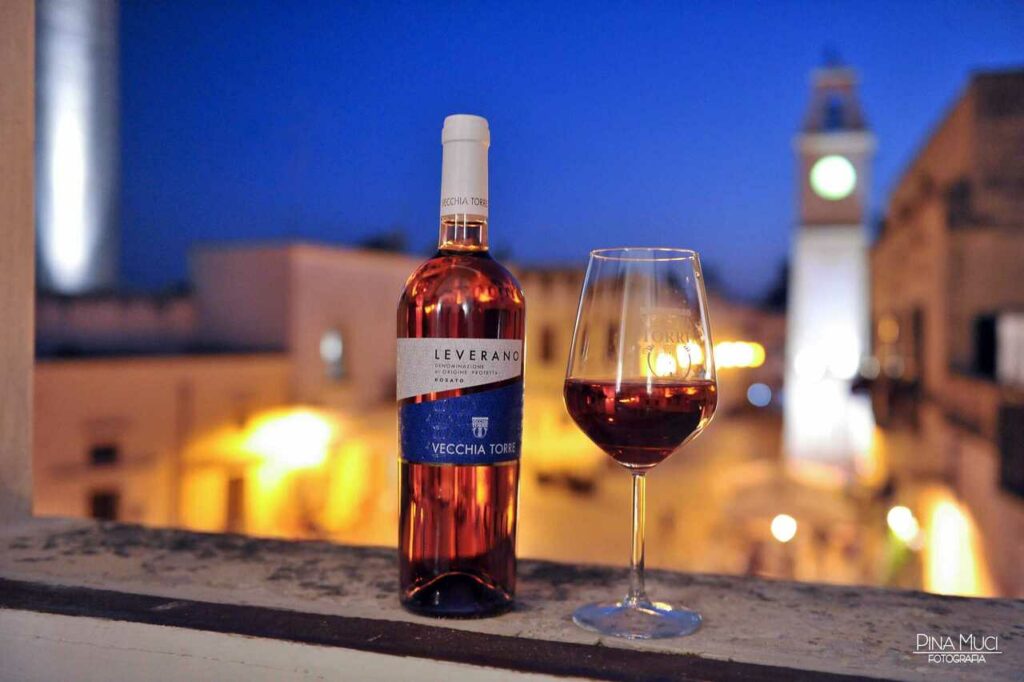
  • Vecchia Torre Winery – Leverano

    Vecchia Torre Winery – Leverano

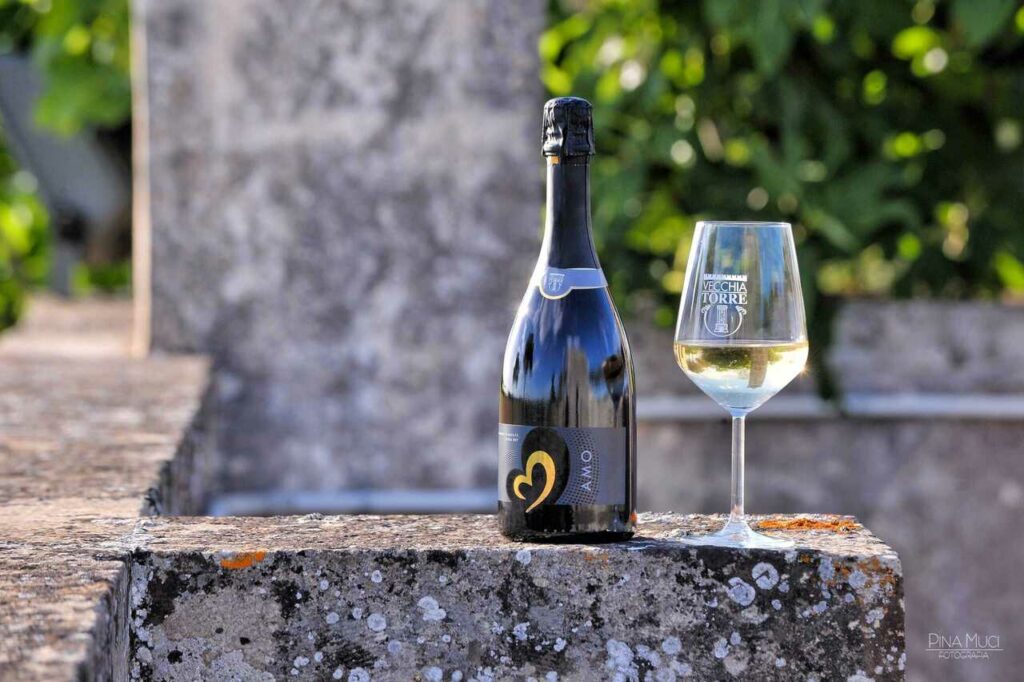
    In the heart of Salento, among endless rows of vineyards and the intense scents of Mediterranean scrub, stands Cantina Vecchia Torre, one of the symbolic wineries of Apulian winemaking tradition.

    Located in Leverano, a small agricultural village in the province of Lecce, the winery perfectly combines rural authenticity with a contemporary vision, making it an essential stop for travelers exploring the Salento region.

    Vecchia Torre Winery - Leverano
    Vecchia Torre Winery – Leverano

    A collective dream born from the land

    The history of the winery dates back to 1959, when a group of 44 members — including farmers, small landowners, and local professionals — decided to join forces and create a cooperative dedicated to promoting and protecting the territory.

    At the time, it was an ambitious and forward-thinking decision that eventually gave life to one of the most important wine cooperatives in Puglia. Today, the winery counts around 1,100 members and produces millions of bottles every year, exported worldwide.

    Over the decades, the winery experienced steady growth: from the introduction of its first fermentation tanks in the 1960s, to the beginning of bottling production in the 1970s, and finally its expansion into international markets in the early 2000s.

    The name change to “Vecchia Torre” in 2011 was a tribute to the historic tower of Leverano, an important symbol of the local identity.

    Wines and production

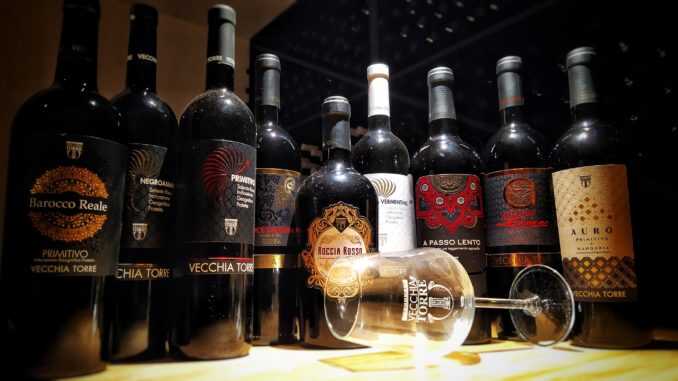
    The winery’s production is deeply rooted in the native grape varieties of the territory. Among the leading grapes are Negroamaro, Primitivo, and Malvasia Nera, alongside international varieties such as Syrah and Chardonnay.

    This combination allows the winery to offer a broad and recognizable range of wines, from DOC and IGP labels to more prestigious collections such as the “Eccellenze” and “Riserve” aged inside the winery’s atmospheric barrel cellar.

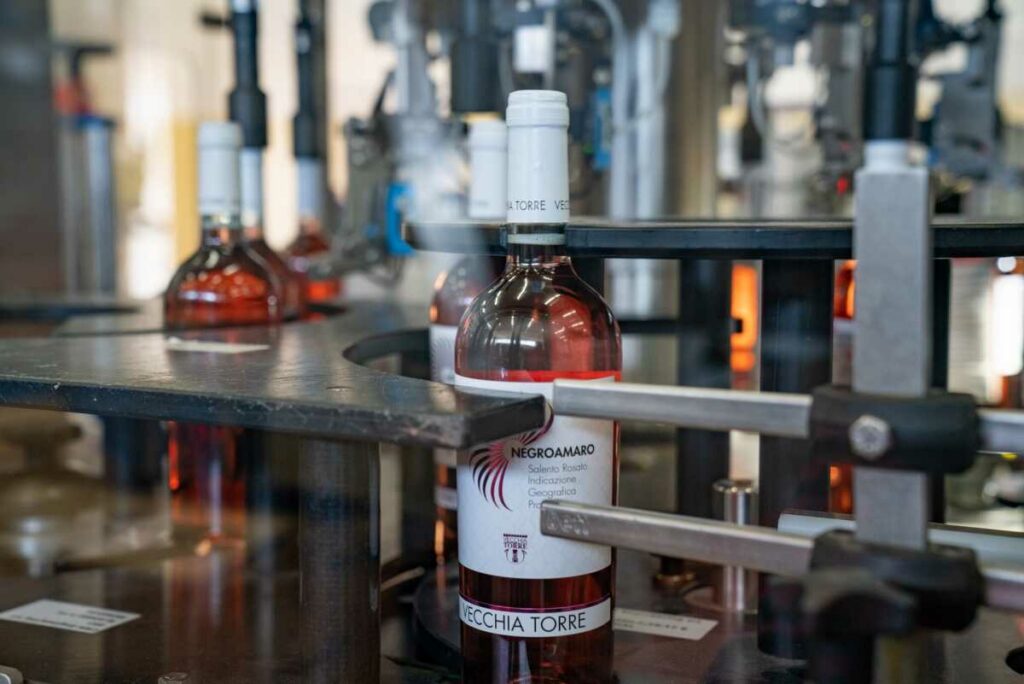
    The production philosophy blends tradition and innovation: careful attention to grape quality, respect for the Salento terroir, and the use of modern technology to maintain high production standards.

    The result is a collection of wines capable of expressing the territory authentically while remaining highly competitive on the international market

    Tastings and winery experiences

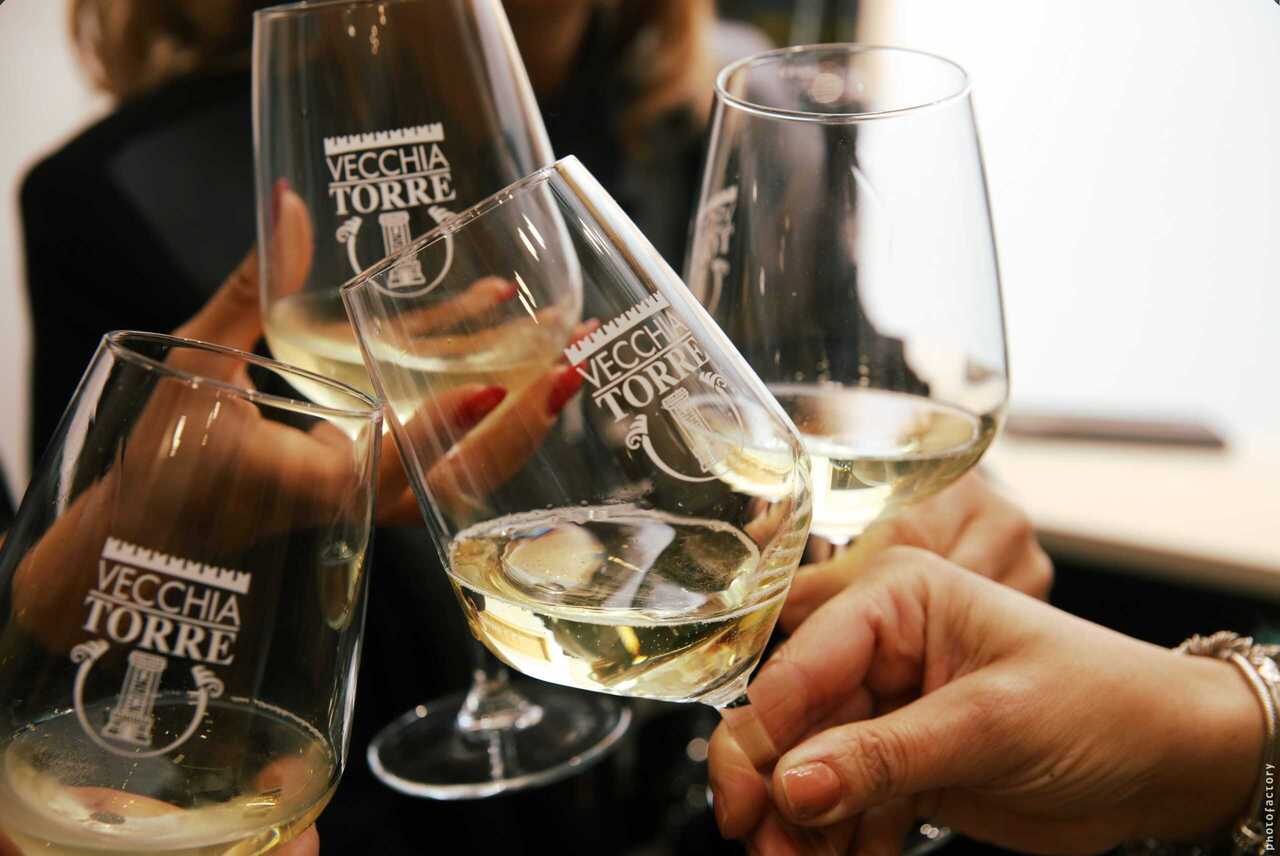
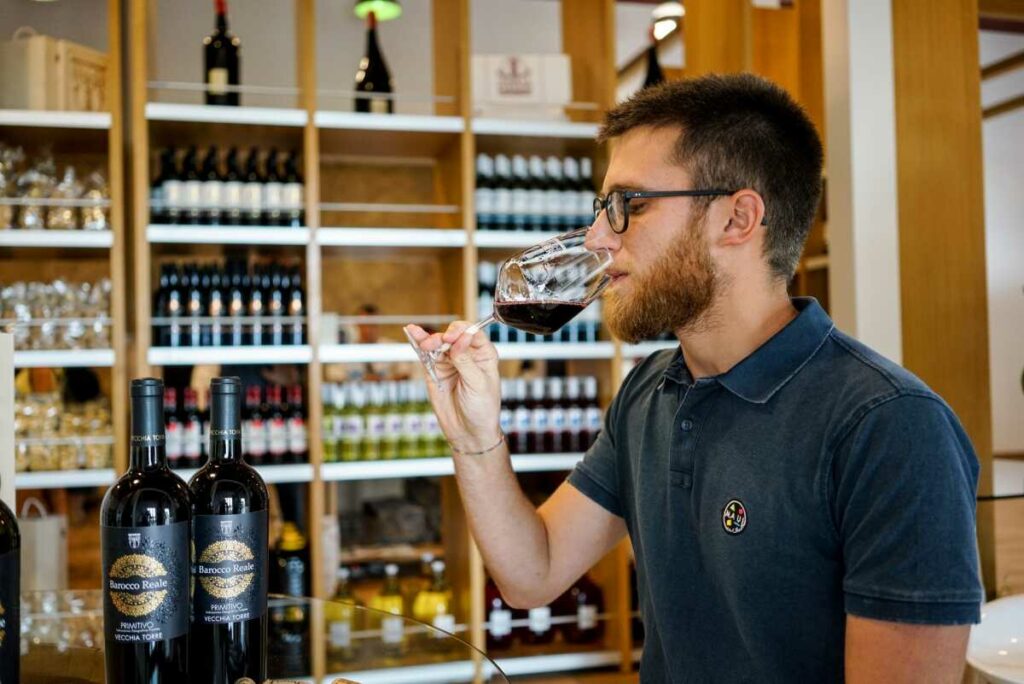
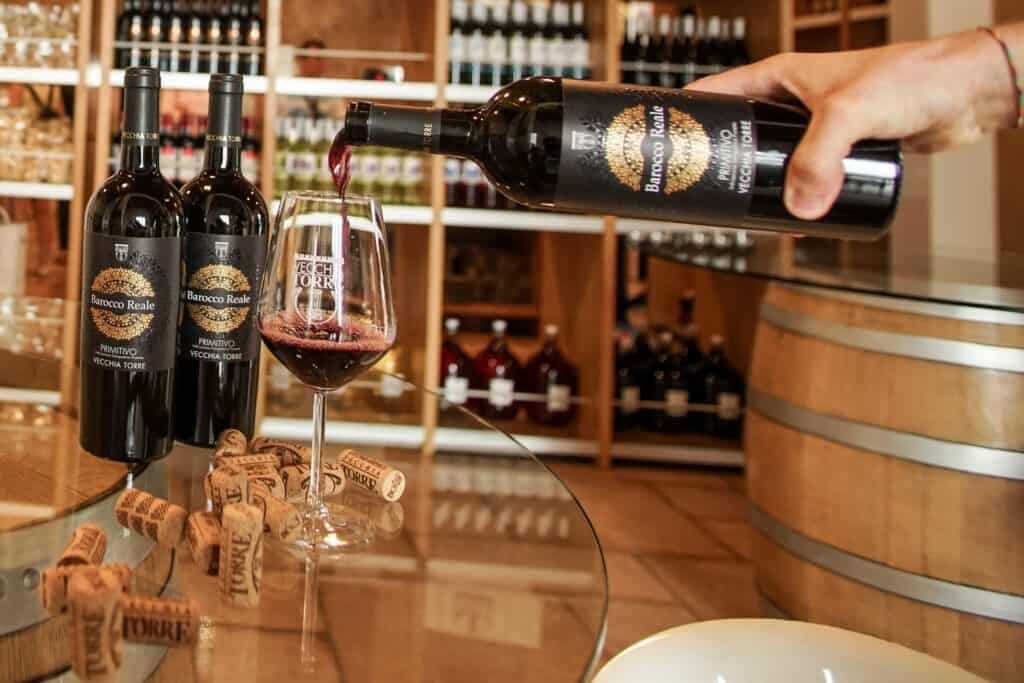
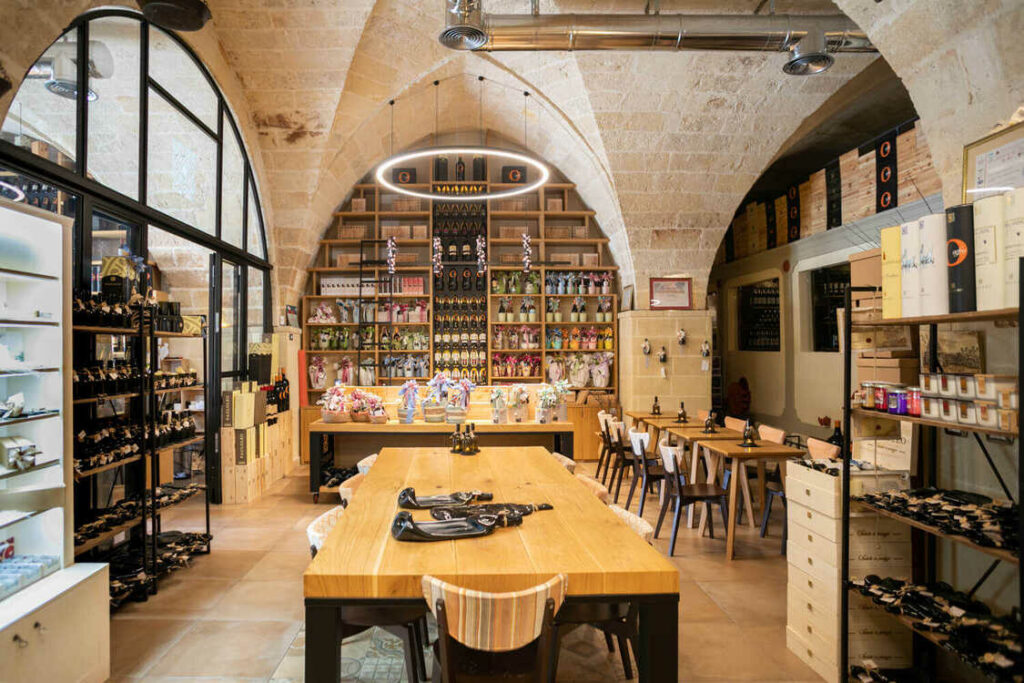
    Wine tastings are undoubtedly the highlight of the winery’s tourism experience. Inside the wine shop, visitors can join guided tastings led by expert sommeliers who accompany guests on a sensory journey through the aromas, flavors, and stories hidden inside every glass.

    The visit itself is designed as an immersive narrative experience: guests walk through the production areas, discover the winemaking techniques, and step into the everyday life of the winery — a world built on work, passion, and memory.

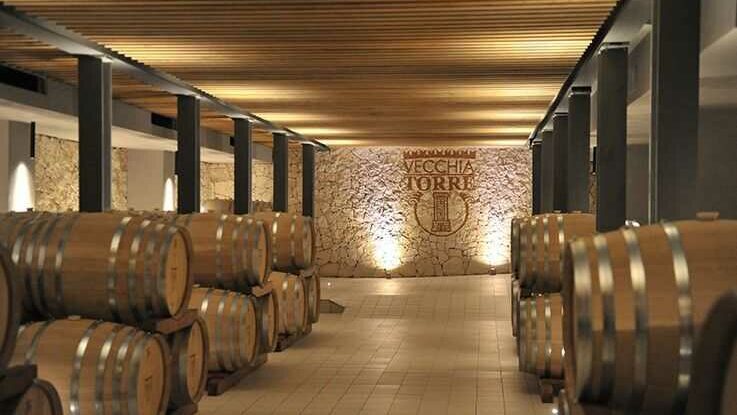
    One of the most fascinating moments is the visit to the barrel cellar, carved into the rock and restored to welcome visitors. Here, among French oak barriques and old fermentation tanks, the atmosphere feels almost timeless, where past and present coexist in perfect harmony.

    Vecchia Torre Winery - Leverano
    Vecchia Torre Winery – Leverano

    The tastings become truly multisensory experiences: not only about taste, but also about sight, aroma, and emotion. The wines are often paired with traditional local products, turning every tasting into a genuine expression of the Salento territory.

    The winery also organizes tours in several languages and offers experiences suitable for both wine enthusiasts and curious travelers, transforming every visit into an authentic and convivial moment.

    In the end, visiting Cantina Vecchia Torre means connecting with the truest soul of Puglia — a land shaped by people, passion, and an unbreakable bond with the earth. A place where every sip tells a story, and every visit becomes a small journey into the heart of southern Italy.

    Vecchia Torre Winery - Leverano
    Vecchia Torre Winery – Leverano
  • Tenute Chiaromonte Winery – Acquaviva delle Fonti

    Tenute Chiaromonte Winery – Acquaviva delle Fonti

    In the authentic heart of Puglia, surrounded by ancient olive groves and gentle karst hills, lies Tenute Chiaromonte, a winery that tells the deepest story of the territory of Acquaviva delle Fonti.

    Located within the Gioia del Colle DOC area, this winery stands out for its strong connection to the land, where the winds from the two seas and the significant temperature variations shape wines with extraordinary personality.

    Tenute Chiaromonte Winery - Acquaviva delle Fonti
    Tenute Chiaromonte Winery – Acquaviva delle Fonti

    The history

    The history of Tenute Chiaromonte is deeply intertwined with the family that has guided it for nearly two centuries.

    Founded in 1826, the winery began as a small family-run farm dedicated to olive groves, cherry orchards, and vineyards. Over time, agricultural knowledge was passed down “from father to son,” eventually reaching Nicola Chiaromonte, the current owner, who in 1998 chose to begin a path of renewal focused on organic farming, research, and the enhancement of the local territory.

    Today, the estate includes more than 60 hectares cultivated using organic methods, with extraordinary attention to quality, experimentation, and the preservation of native grape varieties.

    The winery’s philosophy is built on a delicate balance between respect for tradition and continuous innovation. Every vineyard is cultivated according to the specific characteristics of its soil and microclimate because, as the winery’s vision suggests, every “piece of land” is unique and impossible to replicate.

    Tenute Chiaromonte Winery - Acquaviva delle Fonti
    Tenute Chiaromonte Winery – Acquaviva delle Fonti

    The kingdom of Primitivo and iconic labels

    The true heart of production at Tenute Chiaromonte is undoubtedly Primitivo di Gioia del Colle, interpreted in a pure and elegant style that highlights freshness and territorial identity.

    Some of the vineyards are over 100 years old and grow on mineral-rich limestone soils, giving the wines both structure and impressive aging potential.

    Among the winery’s most representative labels are:

    • Muro Sant’Angelo and Muro Sant’Angelo Contrada Barbatto, intense and refined expressions of Primitivo
    • Elè Primitivo IGT, perfectly balancing power and drinkability
    • Nigredo, a lightly sweet wine inspired by local tradition
    • Kimìa, also produced in a Fiano version, showcasing the winery’s dedication to native varieties
    Tenute Chiaromonte Winery - Acquaviva delle Fonti
    Tenute Chiaromonte Winery – Acquaviva delle Fonti

    Alongside its reds, the winery also produces whites, rosés, and ancestral-method sparkling wines, all born from continuous research and intentionally limited production aimed at maintaining the highest quality standards.

    Winery Experiences: living the Apulian Wine Tradition

    Visiting Tenute Chiaromonte means much more than simply tasting wine — it’s a truly immersive journey into the heart of Puglian tradition.

    The winery’s wine tours are designed as engaging experiences filled with stories, vineyard walks, and guided discoveries led by qualified sommeliers.

    The experiences are organized into several themed tours, but they all share one central element: the tasting of four representative labels, including outstanding expressions of Primitivo such as Muro Sant’Angelo, alongside more experimental productions like the winery’s ancestral-method sparkling wine.

    Everything is paired with the estate’s own organic extra virgin olive oil and a selection of traditional Puglian products, creating the perfect harmony between wine and local gastronomy.

    The tours last approximately 2 hours, allowing visitors to enjoy the experience slowly and fully, surrounded by vineyards, cellars, and peaceful countryside views. The result is not just a wine tasting, but a true journey through flavors, history, and the land itself — where every glass becomes an expression of the territory from which it was born.

    Tenute Chiaromonte Winery - Acquaviva delle Fonti
    Tenute Chiaromonte Winery – Acquaviva delle Fonti

  • Schola Sarmenti Winery – Nardò

    Schola Sarmenti Winery – Nardò

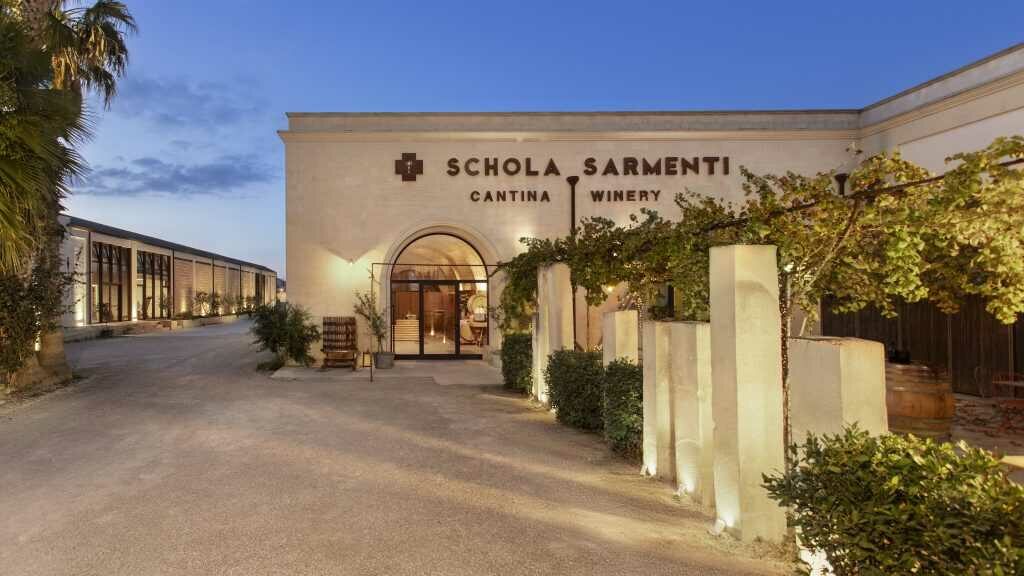
    In the heart of the most authentic Salento, among stretches of red soil and vineyards shaped by the wind, stands Schola Sarmenti, a winery that captures the deepest soul of Apulian winemaking tradition.

    Located just a short distance from the historic center of Nardò, this estate is an essential stop for travelers who want to discover the most elegant and authentic side of Salento wine culture.

    Schola Sarmenti Winery - Nardò
    Schola Sarmenti Winery – Nardò

    History, tradition, and identity

    Founded in 1999 by the Marra and Calabrese families, the winery was created through the restoration of an old 19th-century wine facility, carefully preserved to maintain its original character and atmosphere.

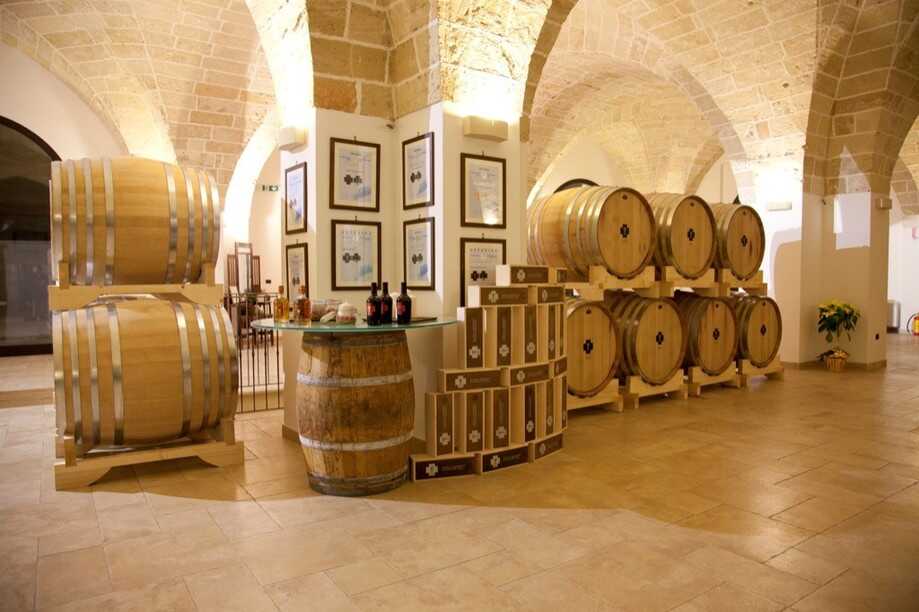
    Even today, the spaces still tell the story of the past: star-vaulted ceilings made of Lecce stone, ancient cisterns transformed into underground barrel cellars, and rooms that evoke old winemaking rituals deeply connected to local tradition.

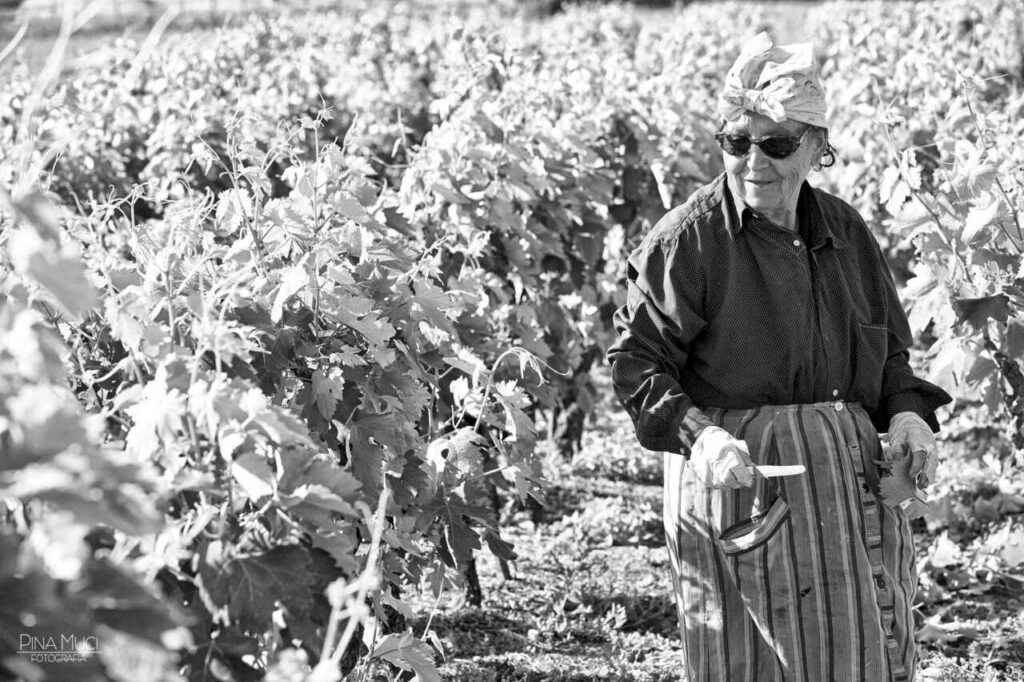
    Here, time seems to slow down, leaving room for gestures passed down through generations, where hand-harvesting and artisanal care remain essential parts of the production process.

    Winemaking and signature labels

    At the heart of the winery’s production are the native grape varieties of Salento: Negroamaro, Primitivo, Fiano, and Susumaniello, alongside other carefully selected varieties.

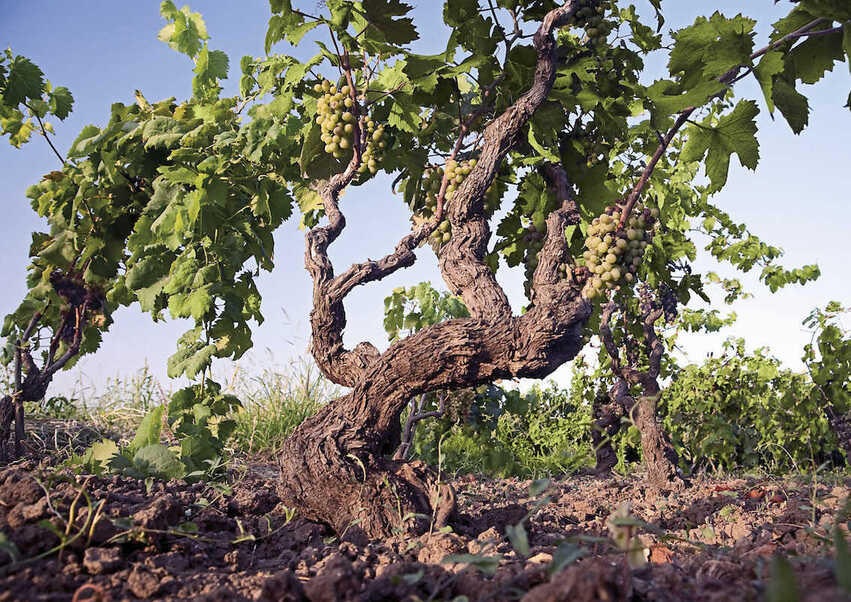
    Some of the vineyards are more than 80 years old and produce wines that are intense, complex, and full of personality, characterized by deep aromas and remarkable structure.

    Among the winery’s most representative labels are territorial expressions such as Primitivo and Nardò Rosso, alongside more refined interpretations known for their balance, structure, and aging potential.

    The production philosophy combines tradition and innovation: ancient winemaking methods coexist with modern technology to enhance every grape at its best.

    Schola Sarmenti Winery - Nardò
    Schola Sarmenti Winery – Nardò

    Wine experiences and tastings

    If there is one reason why Schola Sarmenti leaves such a strong impression on visitors, it is undoubtedly the wine tourism experience, carefully designed to engage all the senses.

    The winery offers several wine tours, each with its own distinct identity:

    • Tre Rami: a tasting paired with simple traditional products such as taralli and local Leccino olives;
    • Quattro Foglie: an enhanced experience accompanied by a small Apulian aperitivo;
    • Cinque Acini: a more complete experience featuring a richer selection of traditional local food pairings.
    Schola Sarmenti Winery - Nardò
    Schola Sarmenti Winery – Nardò

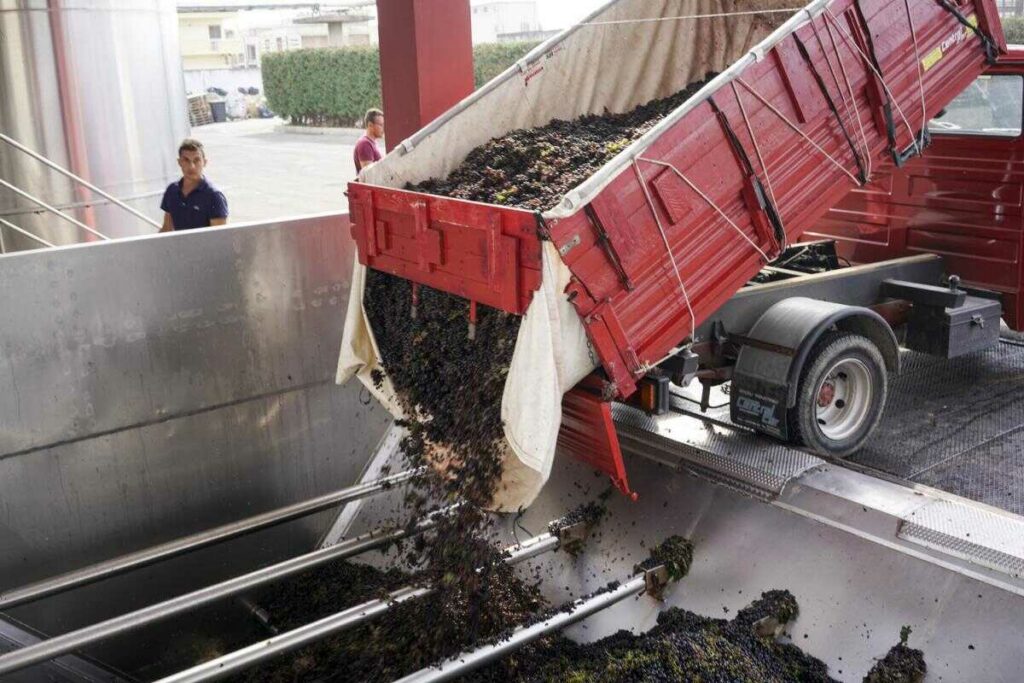
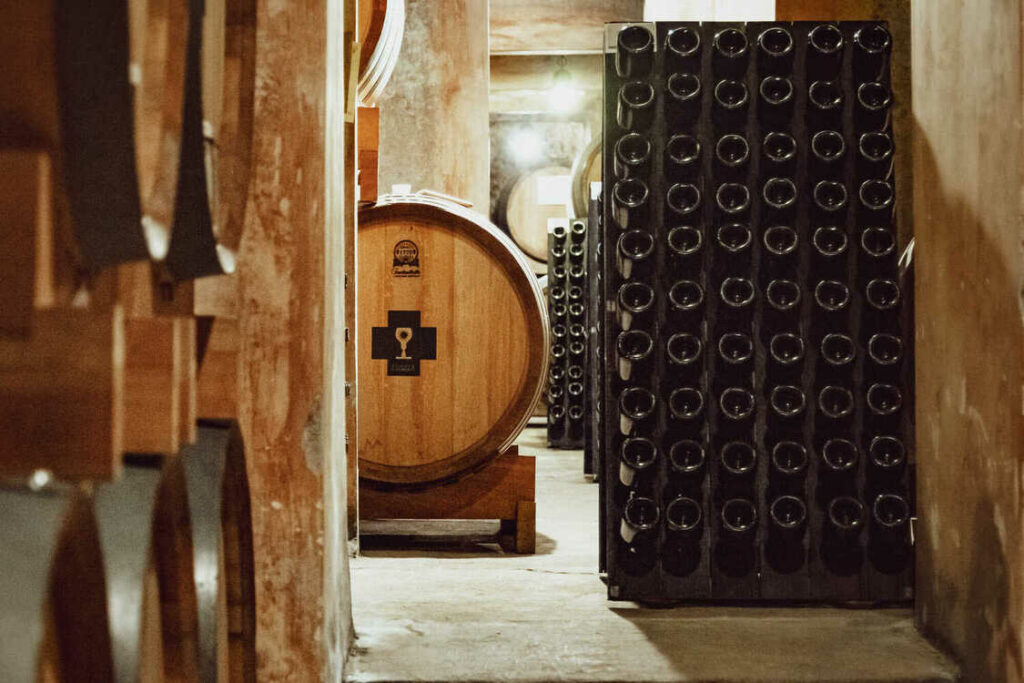
    Each tasting begins with a guided tour of the winery, where visitors discover every stage of the winemaking process, from grape arrival to aging in wooden barrels and steel tanks.

    The atmosphere is especially evocative: underground rooms, the scent of wine in the air, and a silence interrupted only by the stories shared by the guides.

    Beyond the cellar visit, guests can also enjoy outdoor experiences such as walks through the vineyards of Salento. Here, visitors can closely observe both young vines and historic plants — some over 80 years old — gaining a true understanding of the connection between the land and the final wine.

    Schola Sarmenti Winery - Nardò
    Schola Sarmenti Winery – Nardò

    The tastings are undoubtedly the emotional highlight of the experience: not simply a wine tasting, but a true journey through the aromas, flavors, and traditions of the territory.

    Schola Sarmenti is far more than just a winery — it is an emotional journey into the heart of Salento, where wine becomes language, memory, and discovery.

    It is the perfect destination for travelers seeking an authentic experience that combines culture, landscape, and food and wine traditions in one unforgettable visit.

    Schola Sarmenti Winery - Nardò
    Schola Sarmenti Winery – Nardò
  • San Pancrazio Salentino Winery

    San Pancrazio Salentino Winery

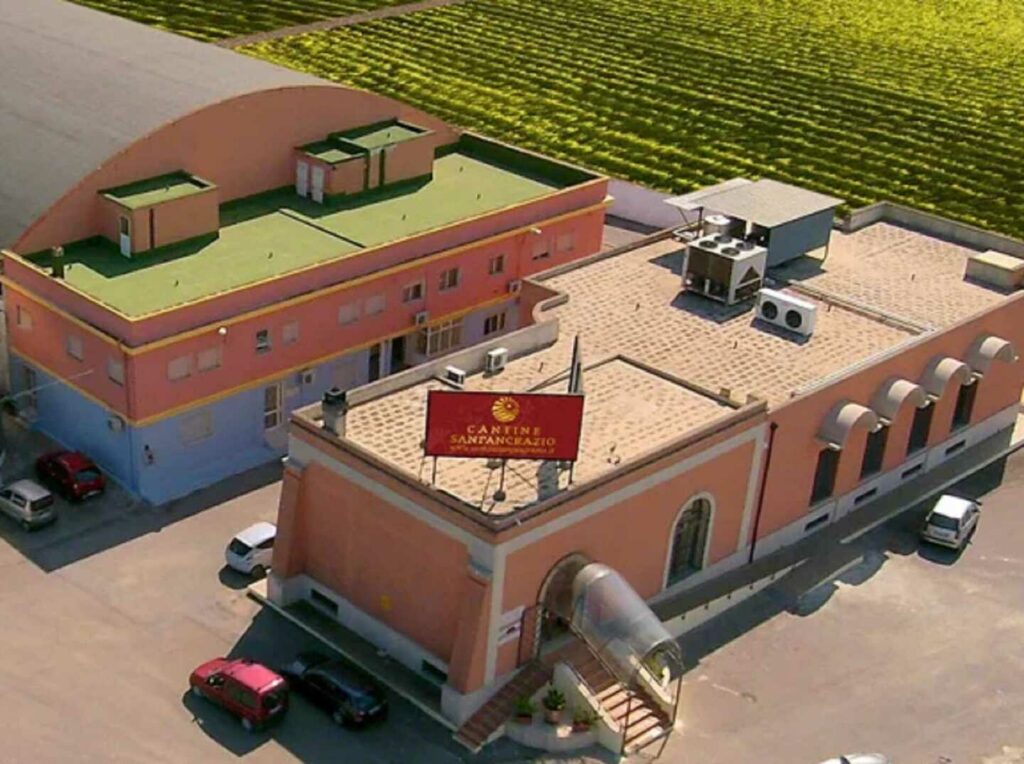
    In the heart of northern Salento, just a few kilometers from the Ionian Sea, stands Cantine San Pancrazio, a winery surrounded by vineyards, intense southern light, and the characteristic red soil of Puglia.

    Here, among the territories of San Pancrazio Salentino, San Donaci, Guagnano, and Salice Salentino, visitors can experience an authentic wine journey where the connection to the land is clear from the very first moment.

    San Pancrazio Salentino Winery
    San Pancrazio Salentino Winery

    It is a destination that attracts not only wine lovers, but also travelers looking for genuine traditions and authentic experiences away from the most crowded tourist routes.

    A story of cooperation and passion

    The story of the winery began in 1961, when Cavalier Antonio Bianco, together with 13 local farmers, founded the “Cooperativa Produttori Agricoli.“

    The project was born from a deep love for the land and the desire to give value to agricultural work. Over the years, it has grown into a solid and respected reality. Today, the cooperative includes around 400 members and more than 500 hectares of vineyards, most of them located within the prestigious Salice Salentino DOC area.

    It is a journey built step by step, where tradition and innovation coexist naturally: on one side, the farming knowledge passed down through generations; on the other, modern winemaking techniques capable of enhancing every nuance of the territory.

    San Pancrazio Salentino Winery
    San Pancrazio Salentino Winery

    Wines and grape varieties

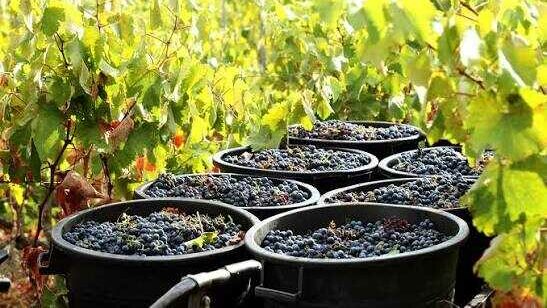
    At the heart of the winery’s production is Negroamaro, the symbolic grape of Salento, often cultivated using the traditional alberello pugliese system and harvested by hand to ensure maximum quality.

    Alongside it, a wide range of grapes contributes to a diverse and expressive wine collection, including Primitivo, Malvasia Nera, Malvasia Bianca, Montepulciano, Fiano, and Chardonnay.

    Among the winery’s most appreciated labels are:

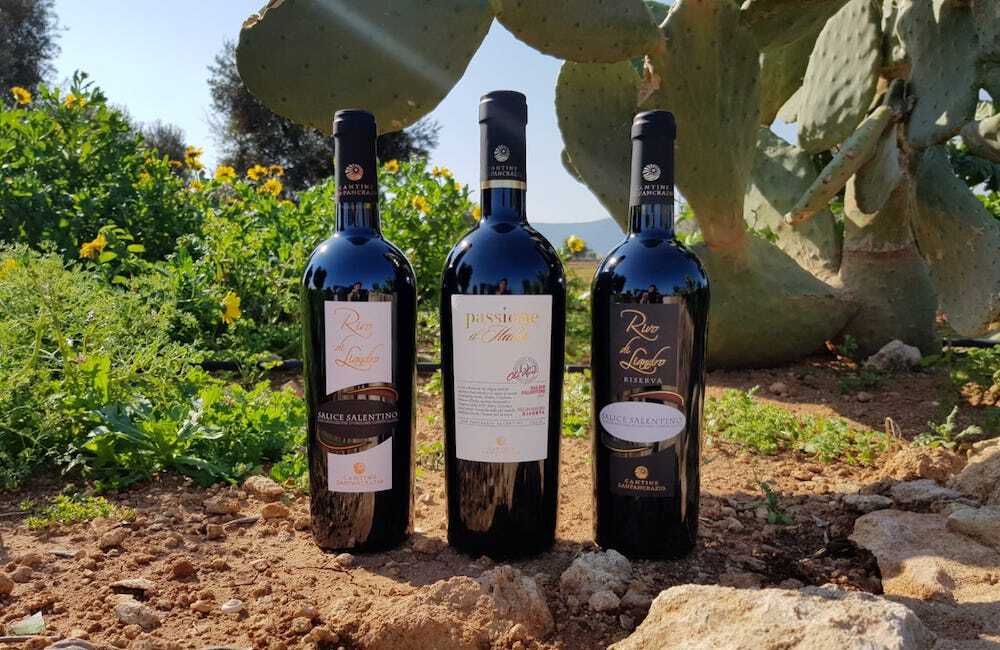
    • 961 Novecentosessantuno Appassimento
      A symbolic and celebratory wine: an intense and structured Negroamaro made from partially dried grapes. Smooth and enveloping, with notes of ripe fruit and spices, it is ideal as a meditation wine.
    • Passione d’Italia Negroamaro Riserva
      An elegant expression of Negroamaro, balanced and refined, with aromas of cherry and plum enhanced by oak aging that adds complexity.
    • Salum (Negroamaro–Primitivo)
      A harmonious blend of two iconic Salento grape varieties. Soft and rounded, with notes of red fruit and cocoa, perfect alongside Mediterranean cuisine.
    • Campo Appio Negroamaro
      An award-winning label that showcases the pure expression of the grape with an intense and territorial profile.
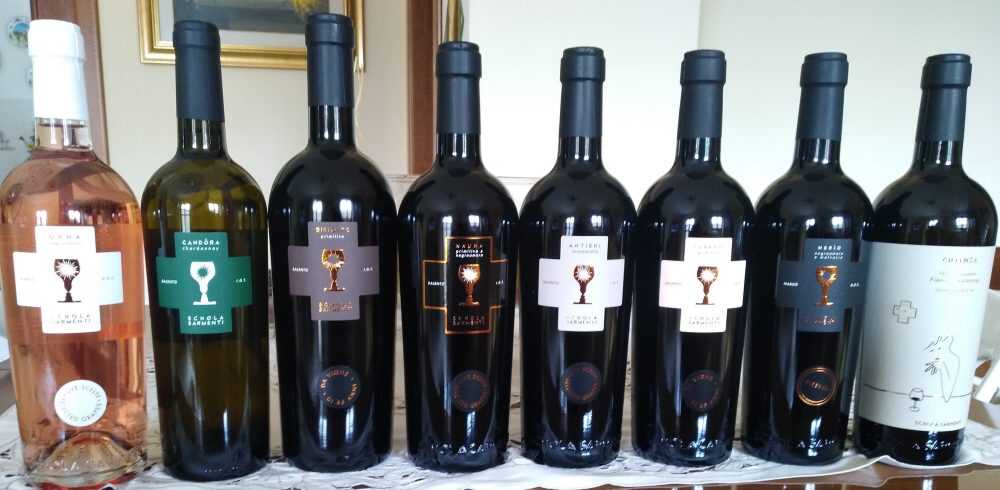
    • Note di Luna Fiano / Australe Chardonnay
      The winery’s white wines: fresh, aromatic, and approachable, ideal for those looking to discover a different side of the Salento territory.

    Every bottle tells a story shaped by sun, wind, and manual work, resulting in wines that are structured, elegant, and deeply connected to the land.

    San Pancrazio Salentino Winery
    San Pancrazio Salentino Winery

    The heart of hospitality

    Visiting Cantine San Pancrazio means connecting directly with the wine culture of Salento. The winery welcomes visitors and wine enthusiasts with experiences that offer a close look at every stage of production, from the vineyards to the cellar.

    Wine tastings are the most engaging part of the experience. Here, wine is not only something to drink, but something to understand.
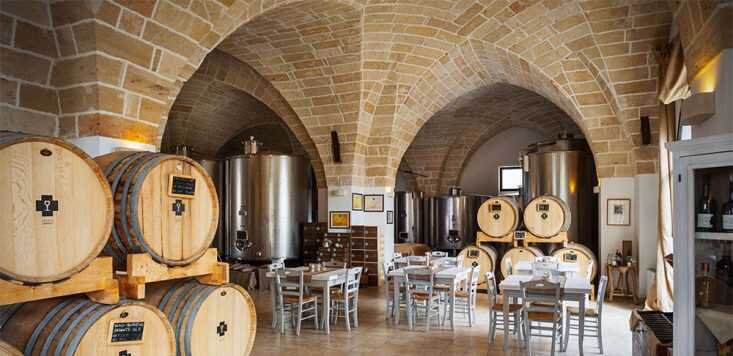
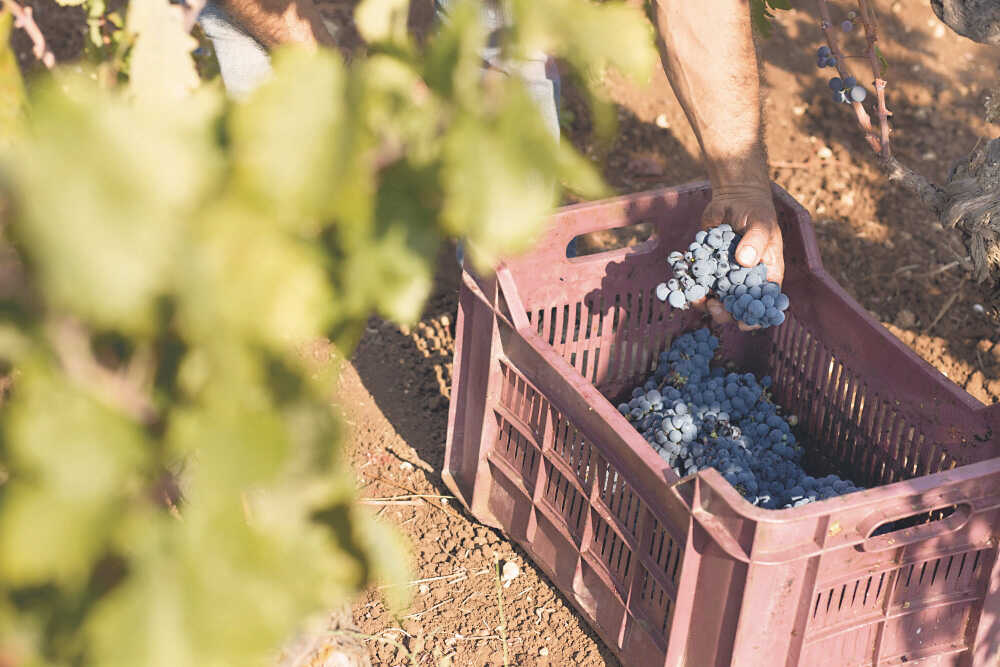
    Visits often begin with a tour of the production areas, where guests can experience the balance between tradition and technology. The journey continues with guided tastings of different labels, allowing visitors to discover the differences between grape varieties and wine styles, all accompanied by stories about the harvest, the winemaking process, and the history of the cooperative itself.

    What makes the experience especially fascinating is its immersive approach: every tasting becomes a sensory journey shaped by aromas, flavors, and storytelling. Negroamaro reveals intense and structured notes, while Primitivo stands out for its softness and warmth.

    Visitors also have the opportunity to purchase wines directly at the winery, taking home an authentic piece of Salento.

    For travelers, these experiences offer a meaningful way to connect with the territory, transforming a simple winery visit into a vivid and lasting memory.

  • Cantine Polvanera – Gioia del Colle

    Cantine Polvanera – Gioia del Colle

    In the heart of the Bari Murgia, between Gioia del Colle and Acquaviva delle Fonti, stretches an authentic landscape of orderly vineyards, red soil, and peaceful rural silence.

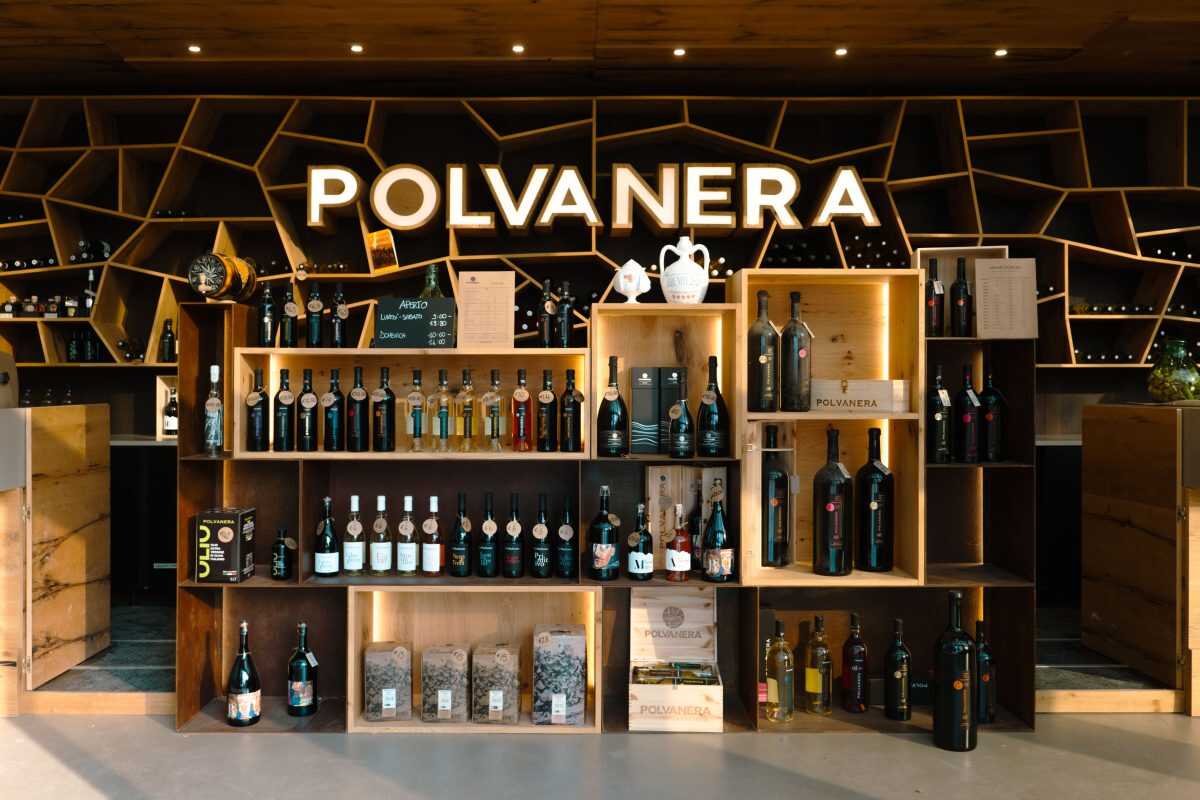
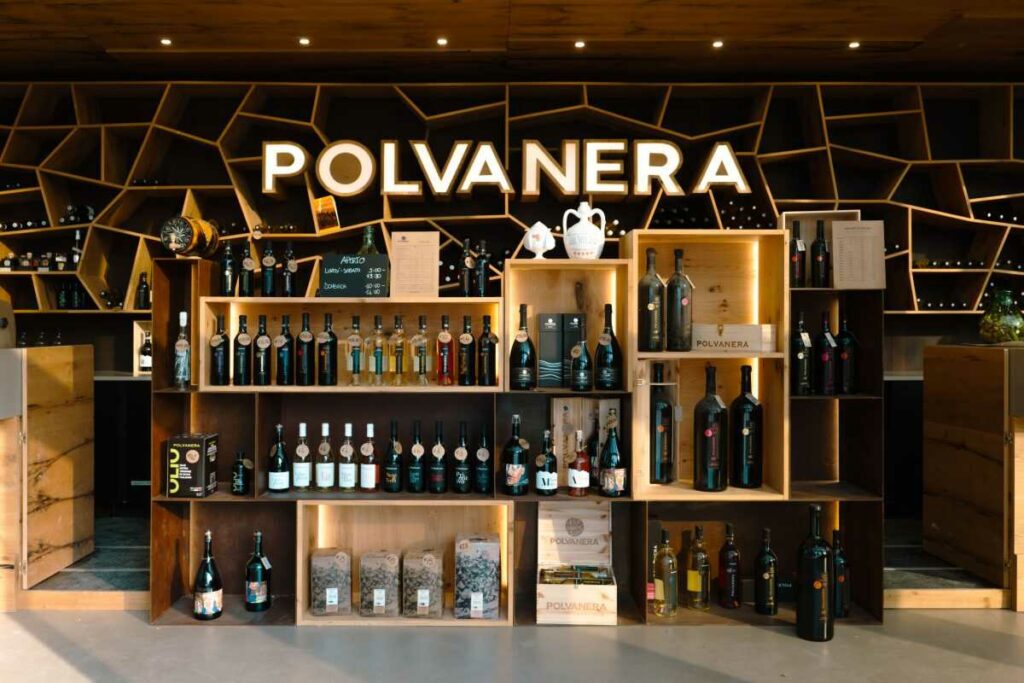
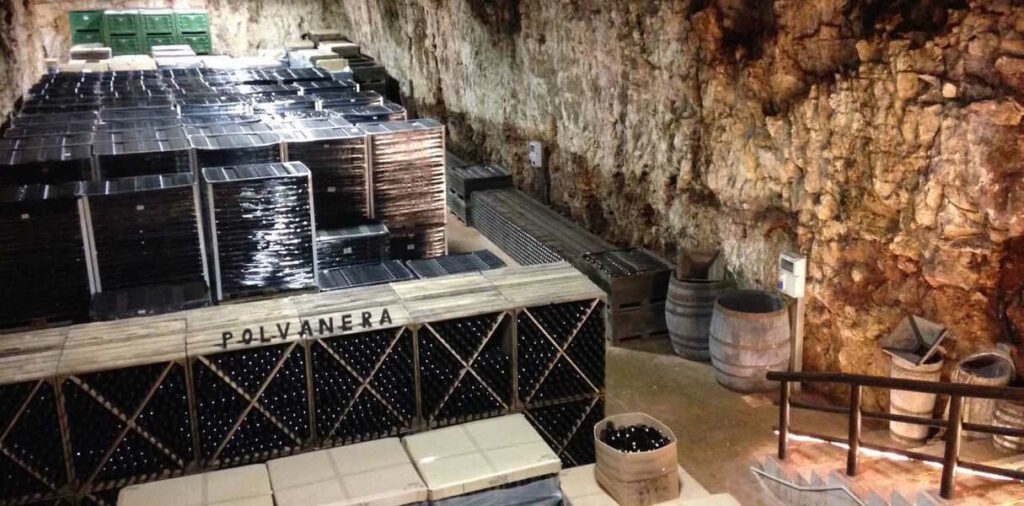
    It is here that Cantine Polvanera rises from the limestone rock itself. More than just a winery, it is a sensory experience immersed in the Apulian countryside, only a short distance from iconic destinations such as the Valle d’Itria and Matera. Today, it is considered an international reference point for Primitivo Gioia del Colle DOC.

    Cantine Polvanera - Gioia del Colle
    Cantine Polvanera – Gioia del Colle

    A family story deeply connected to the land

    The story of Polvanera is closely tied to the Cassano family and the local winemaking tradition.

    Founded in 2002 by Filippo Cassano, the winery was created with the goal of enhancing the territory through a “pure” approach to winemaking, designed to fully express native grape varieties — above all, Primitivo.

    The name “Polvanera” refers to the dark, iron-rich soil of the area, but it is also linked to the history of the 19th-century farmhouse attached to the winery, once associated with charcoal production.

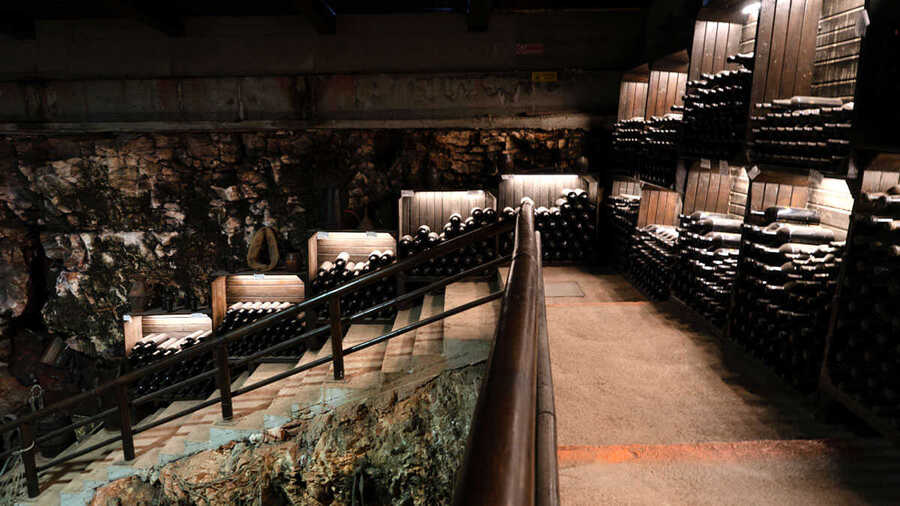
    One of the winery’s most distinctive features is its cellar itself: carved approximately eight meters deep into limestone rock, creating naturally constant temperature and humidity conditions ideal for wine aging.

    The historic masseria dating back to 1820 also tells the agricultural story of the Marchesana district, once owned by local feudal estates before being redistributed to farmers during the 19th century.

    Signature wines: the kingdom of Primitivo

    At the center of production is Primitivo di Gioia del Colle, one of Puglia’s historic grape varieties, whose origins date back to Balkan migrations between the 15th and 16th centuries.

    Cantine Polvanera - Gioia del Colle
    Cantine Polvanera – Gioia del Colle

    Polvanera interprets Primitivo through several labels, including:

    • Polvanera 14 – Vigneto Marchesana: aged for 24 months in stainless steel and 12 months in bottle;
    • Polvanera 16 – Vigneto San Benedetto: produced from vineyards in Acquaviva delle Fonti and aged in the same style;
    • Polvanera 17 – Vigneto Montevella: one of the winery’s deepest and most intense expressions of Primitivo.

    Alongside Primitivo, the winery cultivates several native grape varieties — including Aglianico, Minutolo, Negroamaro, and Nero di Troia — across approximately 100–120 hectares of vineyards, with production that is almost entirely organic.

    Cantine Polvanera - Gioia del Colle
    Cantine Polvanera – Gioia del Colle

    Other standout labels include:

    • Minutolo IGT Valle d’Itria (organic)
    • Verdeca IGT Puglia (organic)
    • Montevella, a traditional-method sparkling rosé

    The result is a collection of elegant, fresh wines deeply connected to the terroir and designed to express the most authentic side of Puglia.

    Winery experiences

    This is where Polvanera transforms from a winery into a true wine tourism destination.

    A visit here is far more than a simple tasting — it is an immersive journey through rural architecture, history, and local flavors.

    Guests are welcomed inside the historic 1820 farmhouse, carefully restored and transformed into a hospitality space with rustic charm.

    Cantine Polvanera - Gioia del Colle
    Cantine Polvanera – Gioia del Colle

    The experiences include:

    • Guided tours of the underground cellar, carved directly into the rock, with explanations of the production process;
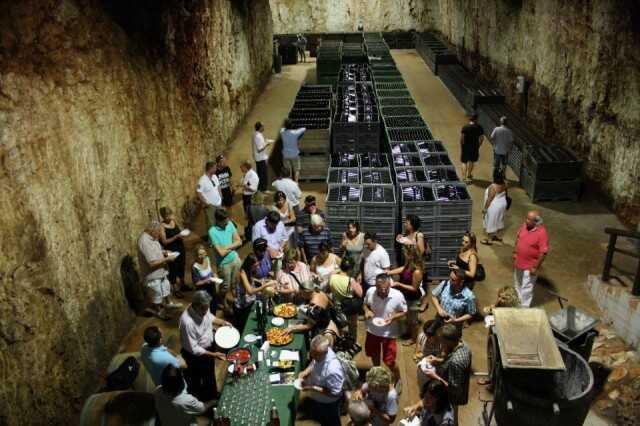
    • Wine tastings paired with traditional local products, held inside rooms created within the limestone rock itself;
    • Food and wine experiences, featuring local dishes designed to enhance the wines;
    • Cultural events and convivial gatherings, making every visit unique.
    Cantine Polvanera - Gioia del Colle
    Cantine Polvanera – Gioia del Colle

    The true added value lies in the atmosphere itself: tasting a glass of Primitivo exactly where it is born, surrounded by vineyards and dry-stone walls, allows visitors to fully understand the deep connection between wine and territory.

    The winery’s strategic location also makes it an ideal stop during a trip through Puglia, easily included in itineraries that combine the sea, historic villages, and countryside landscapes.

    Between family history, striking architecture, and engaging tastings, Polvanera offers one of the most complete wine tourism experiences in the region — a place where every glass becomes a journey, and every visit turns into a lasting memory.

  • Cantine Paolo Leo – San Donaci

    Cantine Paolo Leo – San Donaci

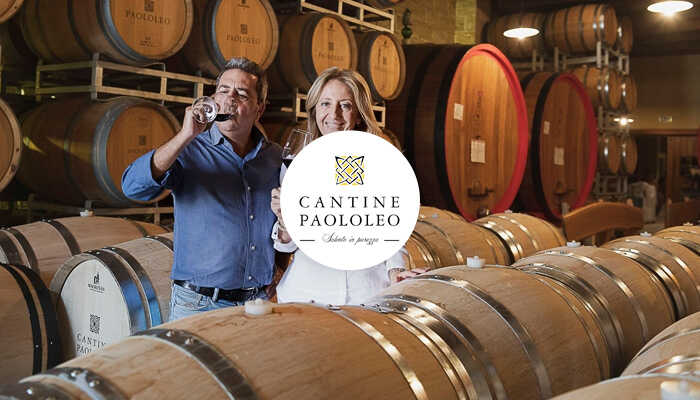
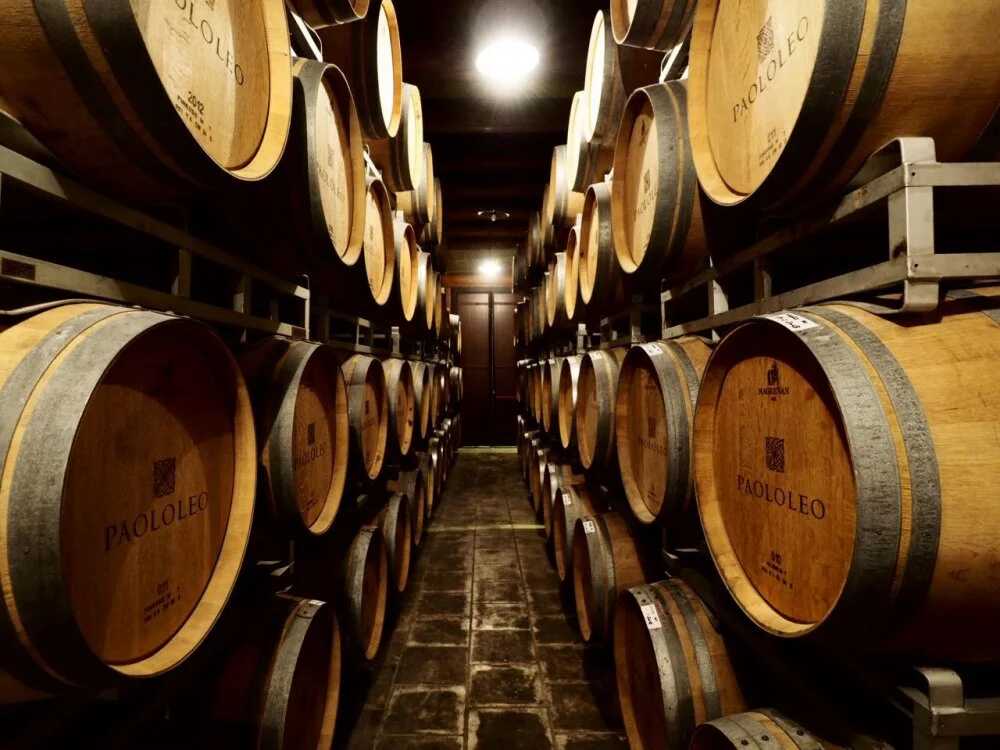
    In the beating heart of Salento, in San Donaci, Cantine Paolo Leo stands out as one of the most dynamic and fascinating wineries in the Apulian wine scene. Founded in 1989, the company has managed in just a few decades to transform a strong family heritage into a contemporary and ambitious project, becoming a benchmark for those seeking authentic wines deeply connected to the territory.

    Paolo Leo Winery - San Donaci
    Paolo Leo Winery – San Donaci

    Nestled within the evocative landscape of the Negroamaro area, the winery is located in an area naturally suited to viticulture: here, clay-limestone soils and the mild Mediterranean climate create the ideal conditions for producing wines that are intense, elegant, and rich in identity.

    The history

    The story of the Leo family dates back to the early 1900s, when the first vineyards were cultivated to produce wine for family consumption.

    The modern winery officially came to life in the 1980s thanks to Paolo Leo, who decided to transform the family tradition into an entrepreneurial project.

    Today, the company is an established name in the Apulian wine world, recognized for its ability to combine rural tradition with modern winemaking techniques while maintaining a strong bond with the land.

    Paolo Leo Winery - San Donaci
    Paolo Leo Winery – San Donaci

    Wine production between tradition and modernity

    Love for Puglia, expertise, family strength, and economic, ethical, and environmental sustainability (certified by Equalitas) are the essential values of the company, which primarily cultivates native grape varieties such as Primitivo, Negroamaro, Malvasia Bianca, and Malvasia Nera.

    Alongside the historic headquarters in San Donaci, located in the heart of the Salice Salentino DOC area, a second winery was inaugurated in 2020 in Monteparano, within the Primitivo of Manduria territory, confirming the company’s commitment to continuous expansion and innovation.

    Tastings and Winery Experiences

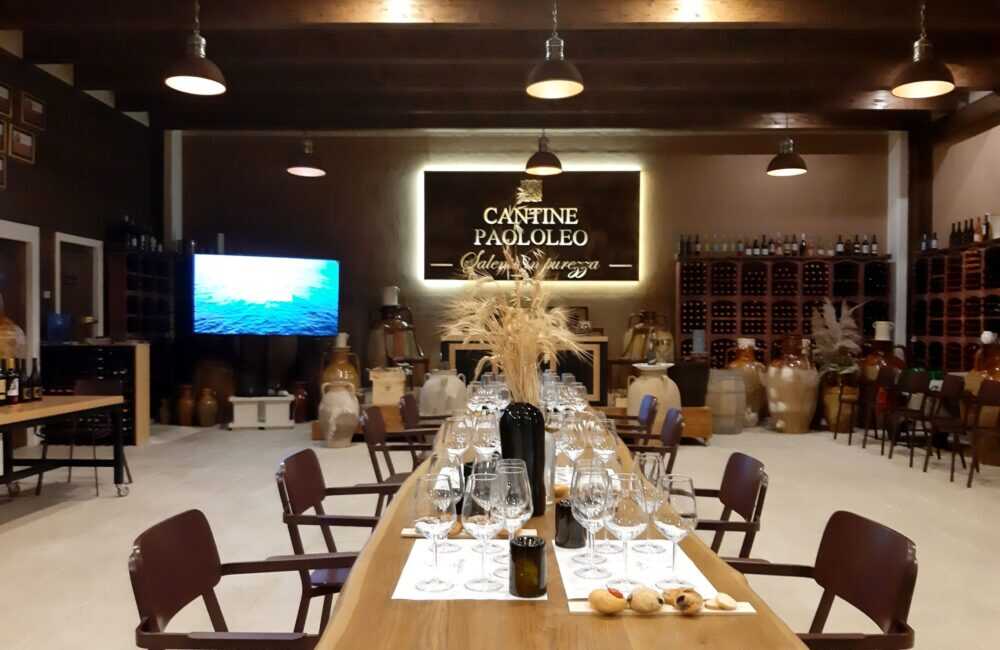
    Cantine Paolo Leo offers a wide range of tastings and experiences designed to immerse guests in the authentic world of Salento wine. These experiences are carefully created to guide visitors through the company’s philosophy and the territory itself, combining culture, flavor, and conviviality.

    Paolo Leo Winery - San Donaci
    Paolo Leo Winery – San Donaci

    Among the winery’s most representative labels are:

    • Passo del Cardinale (Primitivo di Manduria DOC), one of the signature wines, intense and smooth
    • Orfeo (Negroamaro), an elegant red with notes of ripe fruit
    • Moramora (Malvasia Nera Salento IGP), a soft and aromatic red that highlights a less common grape variety
    • Calaluna (Fiano Puglia IGP), fragrant and mineral-driven, one of the winery’s most successful white wines
    • Grecìa Rosé (Negroamaro rosé), fresh and versatile, among the most recognizable rosés in the collection.
    Paolo Leo Winery - San Donaci
    Paolo Leo Winery – San Donaci

    Among the main experiences available are:

    • Guided winery tours, including walks through vineyards, vinification areas, and the barrel cellar to discover every stage of production
    • Guided tastings, featuring representative wines paired with local Salento products such as taralli, cheeses, and cured meats
    • Thematic wine experiences, dedicated to specific grape varieties or production lines
    • Winery aperitifs, more informal moments to enjoy the wines in a relaxed atmosphere accompanied by an aperitif or light lunch with traditional Apulian orecchiette
    • Mormora Experience Mare, an underwater diving or snorkeling activity to retrieve a bottle of wine from the sea followed by a tasting of the same wine — an original experience designed for adventurous visitors!

    Every experience is designed to enhance the flavors of the territory and offer an engaging journey that combines discovery, tradition, and innovation, making every visit a unique memory in the heart of Salento.

    Paolo Leo Winery - San Donaci
    Paolo Leo Winery – San Donaci

    Sustainability and Future Vision

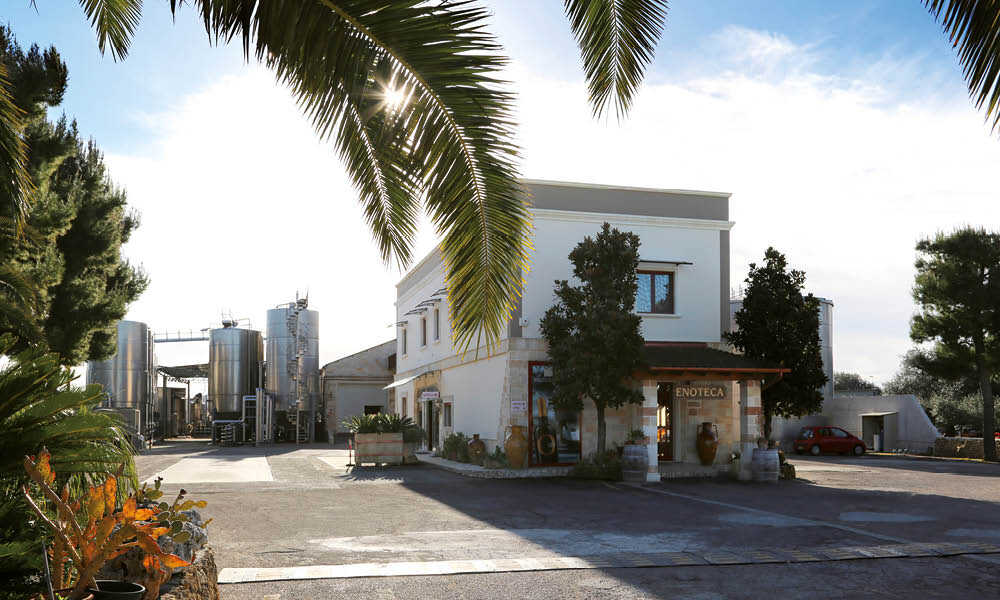
    One of the defining features of Cantine Paolo Leo is the balance between tradition and modernity. The winery features cutting-edge facilities covering approximately 24,000 square meters, including modern vinification systems, a barrel cellar, and a bottling line capable of producing up to 7,000 bottles per hour.

    Cantine Paolo Leo places great emphasis on sustainability, adopting environmentally respectful practices and obtaining certifications that attest to the company’s economic, ethical, and environmental commitment.

    The production philosophy is based on a clear principle: enhancing the territory without altering its essence, creating wines that combine quality, authenticity, and elegance while always preserving the original character of the grapes.

    Today, Cantine Paolo Leo represents the perfect synthesis of past and future: a winery that has grown while preserving its core values, becoming an ambassador of Apulian wine around the world.

    Paolo Leo Winery - San Donaci
    Paolo Leo Winery – San Donaci

  • Leone de Castris – Salice Salentino

    Leone de Castris – Salice Salentino

    In the heart of the most authentic Salento, surrounded by neatly lined vineyards, ancient olive trees, and the intense light of southern Puglia, stands Leone de Castris, one of the oldest and most iconic wineries in the Italian wine scene.

    The historic estate is located in Salice Salentino, a small rural village in the province of Lecce that has lived in harmony with wine culture for centuries. Here, life still seems to follow the rhythm of the harvest and the changing seasons, offering visitors an experience deeply connected to the land.

    Visiting this winery means stepping into a story that spans more than 350 years, where family tradition, innovation, and love for the territory coexist in perfect balance.

    A history spanning more than three centuries

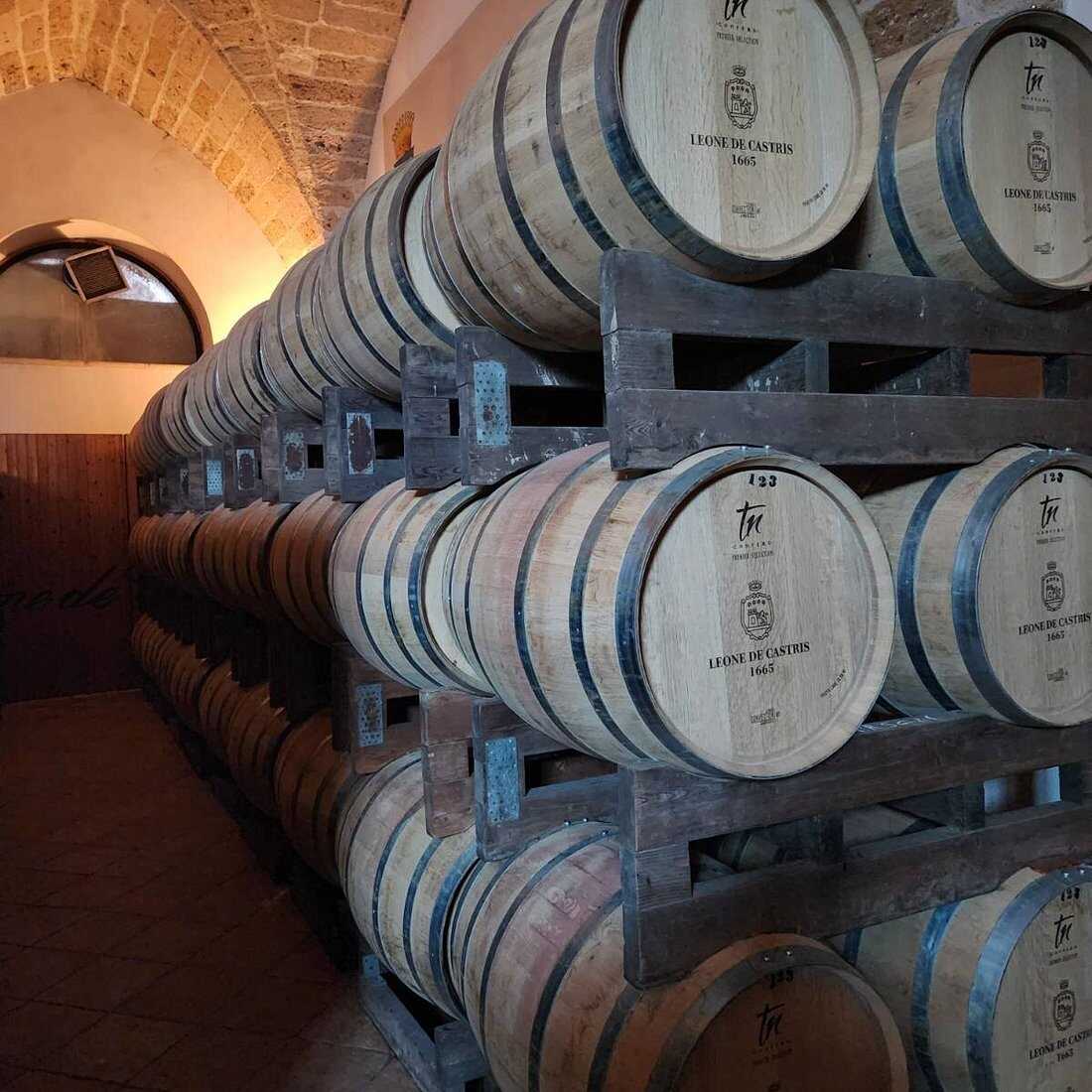
    The story of Leone de Castris began in 1665, when Oronzo Arcangelo Maria Francesco dei Conti di Lemos founded the winery in the territory of Salice Salentino. Since then, generations of the family have preserved and enhanced a unique agricultural and cultural heritage, playing a decisive role in the development of Apulian viticulture.

    Over the centuries, the family invested in large estates between Salice, Guagnano, Veglie, and other towns across Salento, planting vineyards, olive groves, and agricultural crops that still define the local landscape today.

    As early as the beginning of the 19th century, the winery’s wines were already being exported abroad, particularly to France, Germany, and the United States.

    The modern turning point came in 1925, when Piero Leone Plantera and Lisetta de Castris began bottling the estate’s wines — a revolutionary decision at the time, especially in Puglia, where wine was mainly sold in bulk.

    Five Roses: Italy’s first rosé wine

    If there is one label that truly represents the soul of the winery, it is undoubtedly the famous Five Roses.

    Created in 1943 during the World War II, it is considered the first bottled and commercially released rosé wine in Italy. Its story is closely connected to American General Charles Poletti, who was responsible for supplying Allied forces and requested a large quantity of Apulian rosé wine for U.S. soldiers stationed in Italy.

    To give the wine a more international appeal, the name “Five Roses” was chosen, inspired by the “Cinque Rose” district owned by the de Castris family.

    Even today, Five Roses remains one of the most recognizable symbols of Apulian wine worldwide: an elegant, fresh, and identity-driven rosé produced mainly from Negroamaro and Malvasia Nera grapes.

    Salice Salentino DOC and the great wines of the territory

    Talking about Salice Salentino inevitably means talking about Negroamaro, the native grape variety that plays the leading role in the winery’s production and finds one of its finest expressions in the Salice Salentino DOC appellation.

    In 1954, the winery introduced the Salice Leone de Castris, a wine that played a major role in building the reputation of the denomination and later accompanied the official recognition of the Salice Salentino DOC during the 1970s.

    Today, the winery produces a wide range of DOC and IGT wines from Salento and Puglia, including:

    • structured reds made from Negroamaro and Primitivo grapes;
    • iconic rosé wines;
    • aromatic and mineral-driven white wines;
    • sparkling wines;
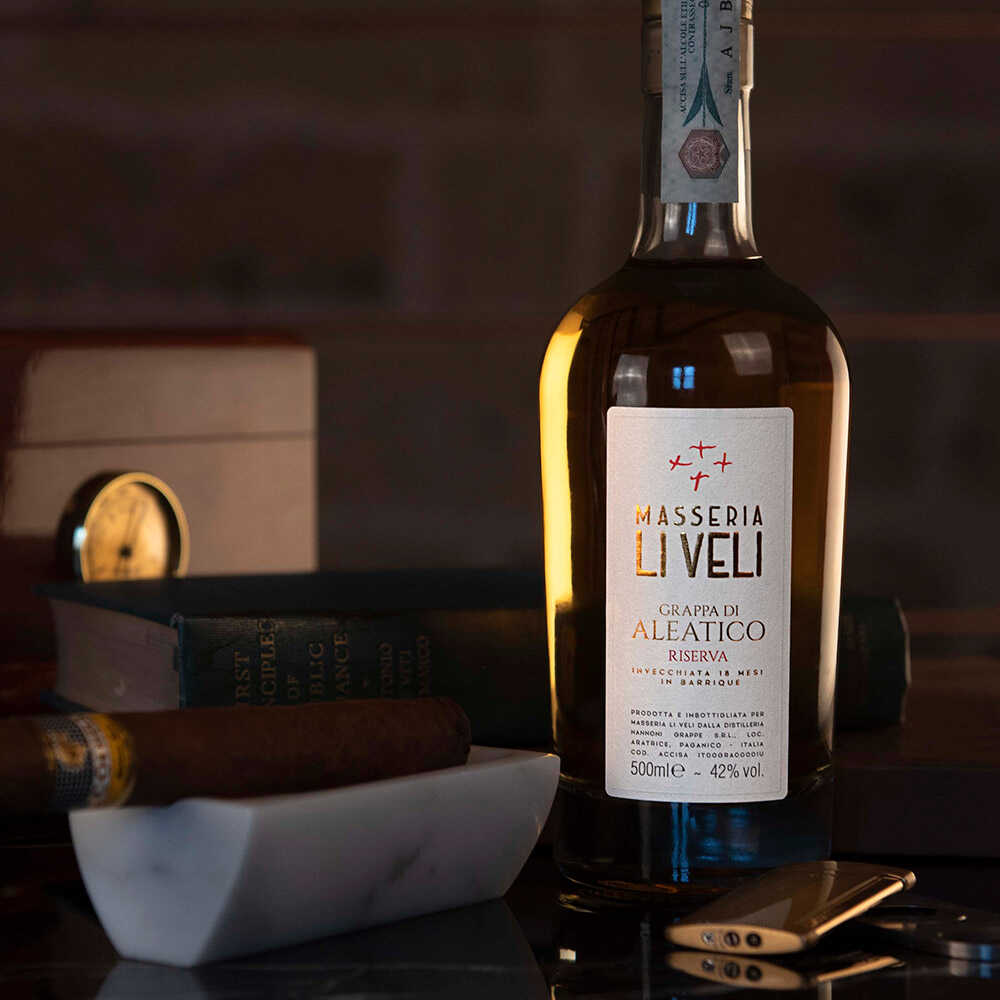
    • grappas and spirits;
    • premium selections dedicated to native Apulian grape varieties.

    Alongside historic grapes such as Negroamaro, Malvasia Nera, Verdeca, Aleatico, Susumaniello, and Primitivo, the winery has also introduced international varieties like Chardonnay and Sauvignon Blanc over the years, while always maintaining a strong connection to its territorial identity.

    Despite preserving centuries of tradition, Leone de Castris continues to evolve. Annual production now exceeds one and a half million bottles, and the winery exports to international markets ranging from the United States and Japan to Canada and Australia.

    Its production philosophy remains deeply rooted in the promotion of Apulian territory: every wine is made exclusively from grapes grown in Puglia — a choice the winery considers a strength rather than a limitation.

    Winery experiences: tastings, tours, and wine tourism

    The true charm of Leone de Castris is best discovered by experiencing the winery firsthand.

    In recent years, wine tourism has become a central part of the experience offered by the estate, welcoming both Italian and international visitors through immersive journeys into the history, wine, and culture of Salento.

    Guided tours lead guests through the historic production areas, from the old aging rooms to the bottling facilities, accompanied by stories about the family and the evolution of Apulian wine. Every visit becomes a journey through time, where agricultural tradition and modern winemaking constantly interact.

    The tastings are especially memorable, designed to highlight the character of the region’s great wines. Visitors can sample several of the winery’s iconic labels — from Five Roses to the prestigious reds of Salice Salentino — often paired with local specialties, extra virgin olive oil, and traditional dishes from Salento cuisine.

    For those looking for a more complete experience, the winery also offers the Wine Hotel Villa Donna Lisa, an elegant property surrounded by the peaceful Salento countryside. Here, guests can stay among vineyards and olive groves, enjoy private tastings, and transform a simple winery visit into a true wine tourism experience.

    Another highlight is the Wine Museum Piero e Salvatore Leone de Castris, a wine museum that preserves historical documents, traditional tools, and testimonies of Apulia’s winemaking heritage.

    For wine tourism enthusiasts, for travelers seeking authentic local flavors, or simply for anyone wishing to experience the truest soul of Salento, Leone de Castris is an unmissable destination.