Located in the territory of Brindisi, in northern Salento, Tenute Rubino enjoys a geographical position that is particularly well suited to viticulture.
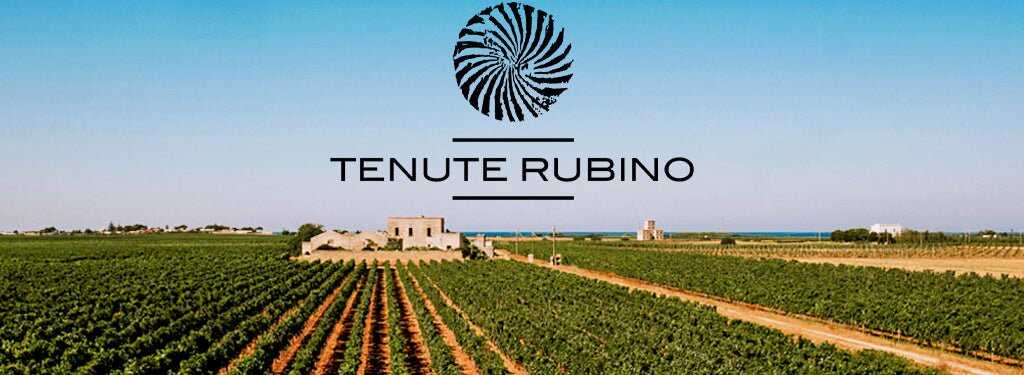
Here, the proximity to the Adriatic Sea, the constant sea breezes, and the limestone-clay soils create the perfect microclimate for growing vines. The balance between intense sunshine and natural ventilation allows the grapes to ripen evenly, enhancing the wines’ aromas, freshness, and structure.
The winery is easily reachable from the city and is set within a territory rich in history, crossed by the ancient Via Appia and Via Traiana, today recognized as a UNESCO World Heritage route.
A story of family and vision
The story of Tenute Rubino is, above all, a family story.
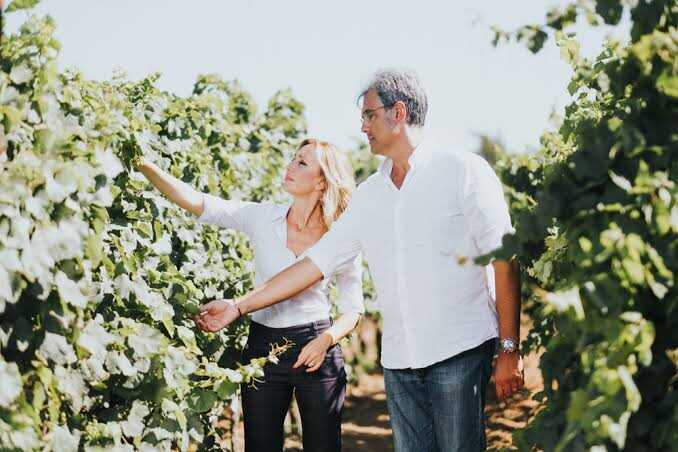
The project began in the 1980s thanks to the vision of Tommaso Rubino, who strongly believed in the winemaking potential of the Brindisi area. Later, his son Luigi, together with his wife Romina Leopardi, transformed that vision into a structured winery brand in 1999, creating the modern estate based in Brindisi.
Over time, the company expanded across several estates throughout Puglia — from Jaddico to Uggio Punta Aquila and the Valle d’Itria — each one capable of expressing different nuances of the local terroir.
What truly makes this winery unique, however, is its role in rediscovering Susumaniello, a native grape variety that had almost disappeared.
The recovery of Susumaniello is one of the winery’s defining achievements. While many producers abandoned the grape during the 1990s because of its low yields, Tenute Rubino chose to invest in it, playing a key role in its revival and current success.
Iconic wines and production
The production philosophy of Tenute Rubino is deeply rooted in territorial identity. The winery focuses mainly on native Apulian grape varieties such as Susumaniello, Primitivo, Negroamaro, and Malvasia, interpreted through a modern approach while maintaining a strong connection to tradition.
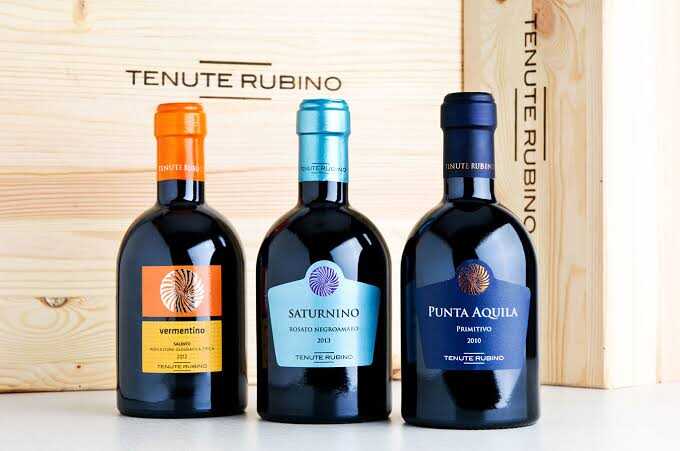
Among the most representative labels is Torre Testa, considered a true symbol of Susumaniello and winner of several important national and international awards.
Alongside it are wines such as Visellio, Oltremé, Jaddico, and Punta Aquila, all created through careful winemaking research and a deep commitment to enhancing the unique characteristics of each estate.
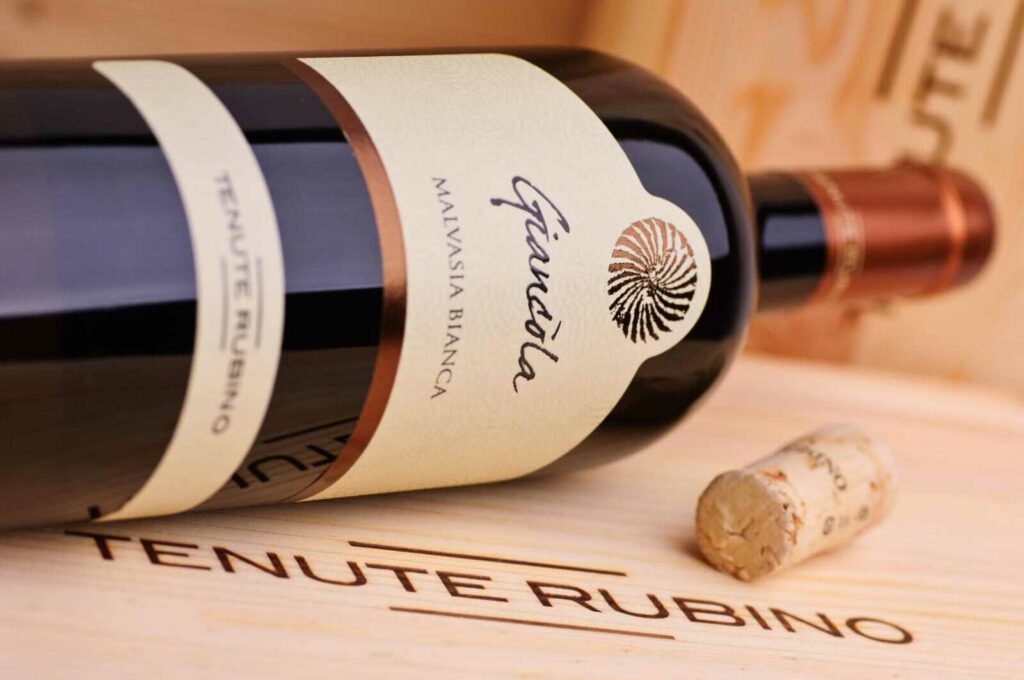
With hundreds of hectares of vineyards and an annual production exceeding one million bottles, the winery has become an important reference point for Apulian wine on international markets.
Wine experiences and tastings
The true beating heart of the Tenute Rubino experience is wine tourism.
Visiting the winery means entering a world of stories, aromas, and traditions, where every detail is designed to fully involve the visitor.
The winery offers several carefully curated experiences:
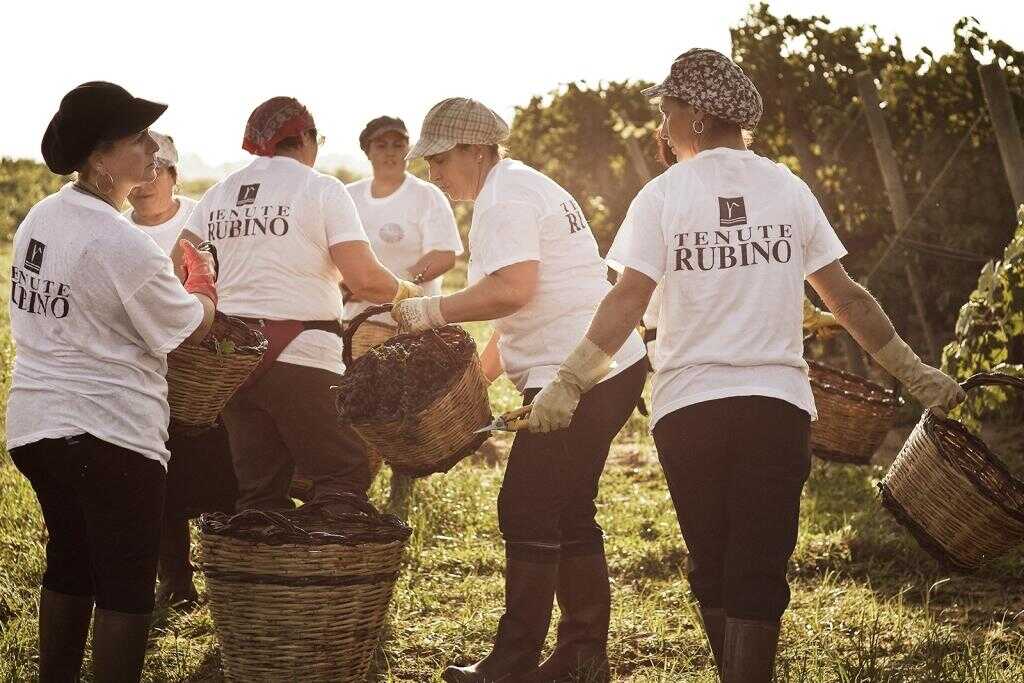
- Guided winery tours: a journey through vineyards and barrel cellars that explains every stage of production, from harvest to aging;
- Themed tastings: selections of wines paired with traditional local products for a complete sensory experience;
- Susumaniello Experience: the most exclusive tasting, dedicated entirely to the winery’s signature grape variety and paired with local gastronomy;
- Appia Wine Road Experience: an itinerary combining wine and history while retracing the ancient routes of the Via Appia.
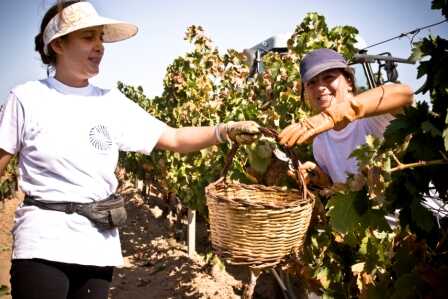
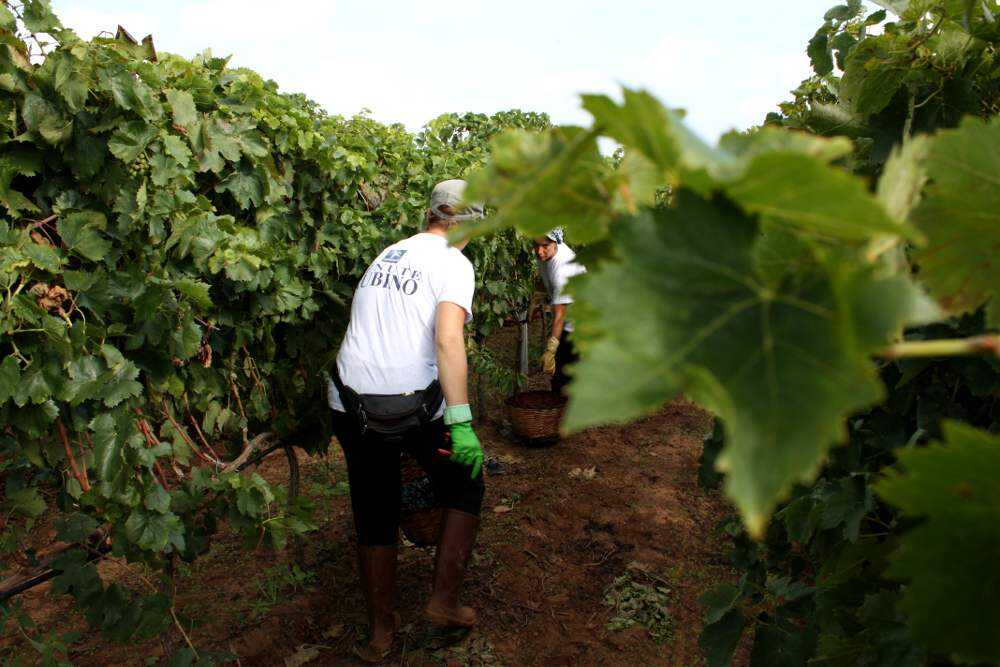
What makes these experiences especially engaging is the storytelling approach. Every tasting becomes a narrative about the territory, the people, and the choices behind the wines. It is not simply about drinking wine, but about understanding its deeper identity.
The presence of the wine bar Numero Primo also allows visitors to extend the experience in a more relaxed setting, with sea views and traditional Salento food pairings.
Ultimately, visiting Tenute Rubino means immersing yourself in a story shaped by family, territory, and a contemporary vision of wine. Between ancient history and innovation, the winery is not simply a producer, but a true destination for anyone wishing to discover the most authentic side of Salento through a glass of wine.
Leave a Reply