There are places you don’t simply visit: you experience them, breathe them in, and carry them with you long after you’ve returned home. Otranto is one of those places.
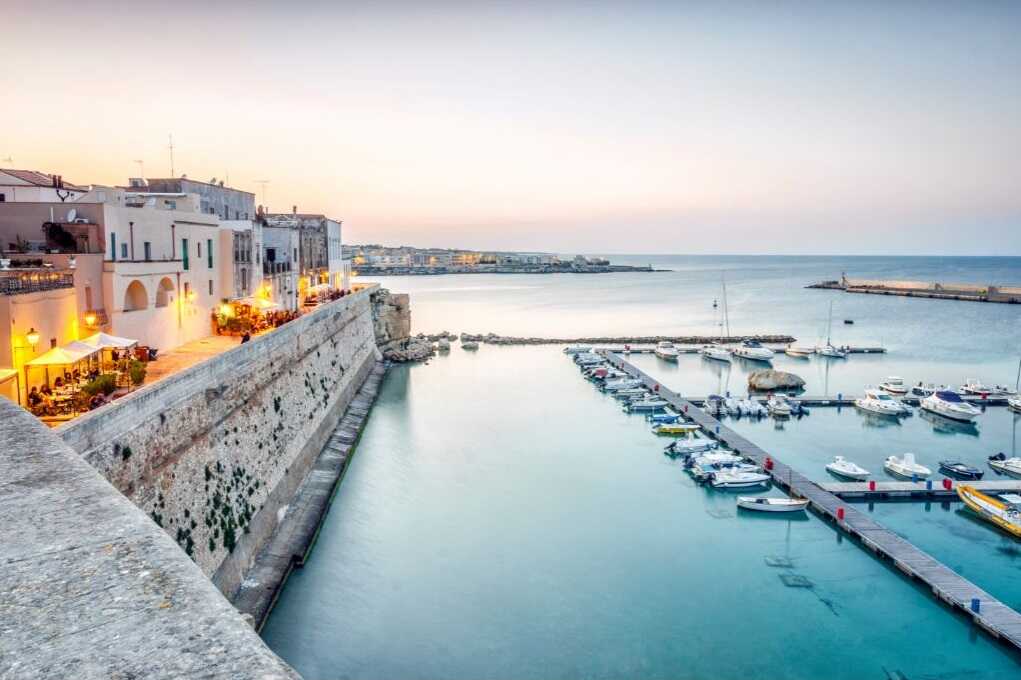
Overlooking the Adriatic Sea at the easternmost point of Italy, this small Apulian town captivates visitors with an irresistible mix of crystal-clear waters, ancient history, authentic flavors, and an atmosphere that truly feels like Southern Italy. It’s the perfect destination if you dream of a slow yet intense holiday filled with swims in turquoise waters, walks through whitewashed alleys, seaside sunsets, and beautifully laid tables. In this article, we’ll discover together what to do in Otranto, what to see, what to eat, how to get there… in short, everything you need to know about the town.
The historic center of Otranto
If there’s one thing you absolutely must do as soon as you arrive in Otranto, it’s getting lost in its historic center. Forget the map and follow your instincts. Narrow alleys, white houses, flower-filled balconies, and unexpected sea views create an atmosphere that feels almost suspended in time. Every corner is photogenic, every glimpse seems to ask to be experienced. Here you can stop for a coffee, step into a local artisan shop, or simply sit on a stone step listening to the distant sound of the sea. This is the authentic heart of Otranto — the one that makes you fall in love without asking permission.
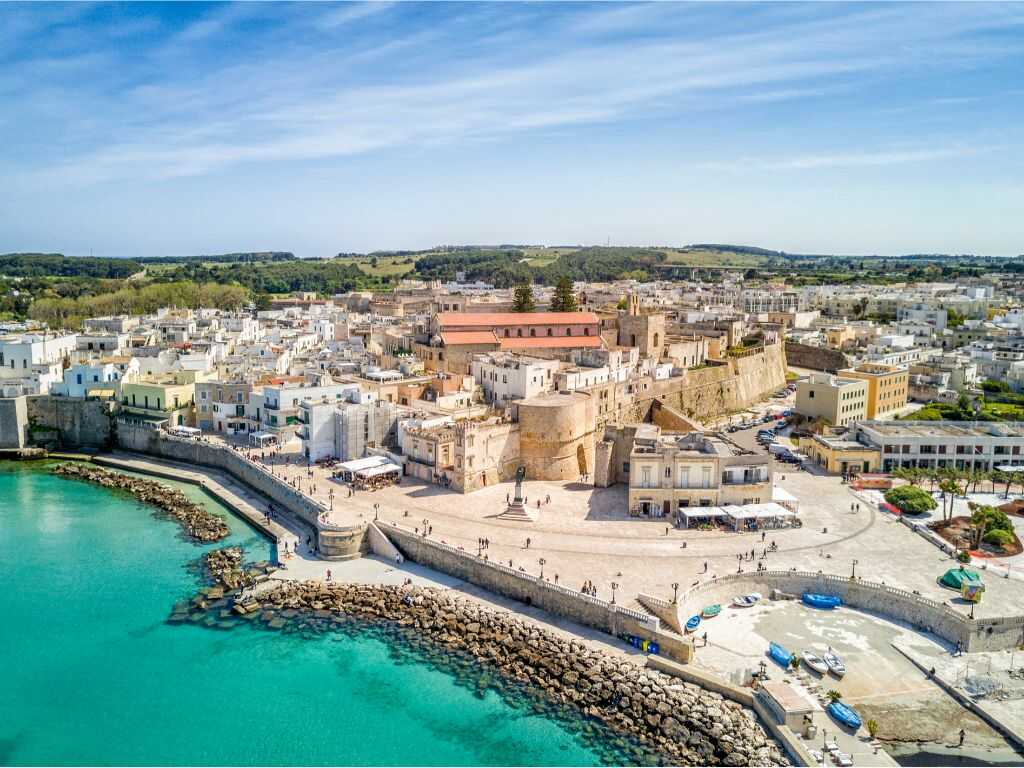
Dominating the entrance to the old town is the Castello Aragonese, an imposing fortress that tells the story of the town’s defensive past. Today it’s a vibrant cultural space hosting exhibitions, events, and artistic installations. It’s worth visiting not only for what’s inside, but also for the breathtaking view from above: the sea stretching endlessly before your eyes, the harbor, the city walls, and the rooftops of the old town create a truly unforgettable panorama.
After visiting the castle, continue to the Cathedral of Santa Maria Annunziata. This cathedral is not just a monument, but a place that leaves a lasting impression. Walking inside means stepping onto one of the most fascinating mosaics in Europe: the enormous Tree of Life covering the entire floor tells biblical stories, myths, fantastic creatures, and medieval scenes in an extraordinary visual narrative. In the Chapel of the Martyrs, visitors encounter one of the most dramatic chapters in local history: the story of the 800 Martyrs of Otranto. It’s a powerful experience that makes the visit even more meaningful.
Boat tour along the coast: caves, cliffs, and crystal-clear water
Once you’ve explored Otranto “by land,” you can’t leave without discovering it “by sea,” the true protagonist of the town. Tours depart from the harbor of Otranto and slowly leave the historic center behind, revealing a coastline made of dramatic cliffs, sea caves, and waters in incredible shades of blue.
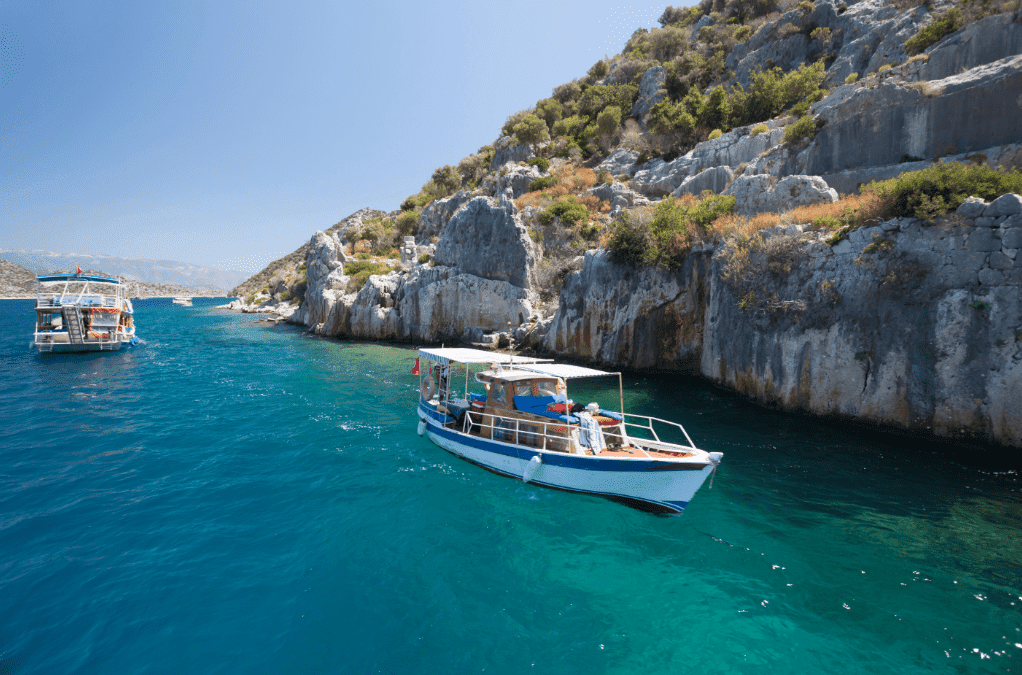
During the boat trip, you’ll pass by some of the area’s most fascinating caves, where sunlight creates spectacular reflections on the water. But the real highlight of these tours is the swimming stops, often in places difficult to reach by land. One of the most beloved is undoubtedly Baia del Mulino d’Acqua, a natural cave with a circular opening in the ceiling that creates extraordinary light effects in the water below.
It’s a perfect activity for couples, families, and groups of friends, and one of the best ways to experience Otranto authentically and memorably.
Baia dei Turchi: one of the most beautiful seas in Apulia
Just a few kilometers outside the center of Otranto lies Baia dei Turchi, one of the most iconic beaches in Salento. Here the sea has Caribbean-like colors, while the sand is soft and bright. The beach is surrounded by Mediterranean vegetation, and even the path leading there is part of the experience.
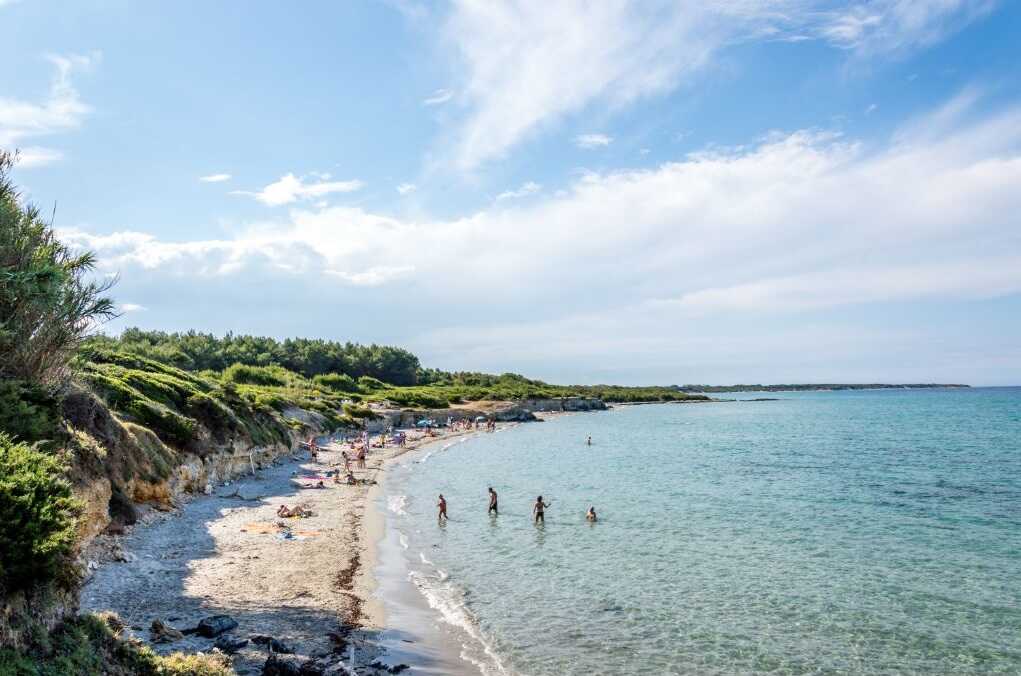
Its name recalls the landing of the Ottoman Turks in 1480, but today the bay is simply synonymous with beauty and relaxation. Arriving early in the morning is the secret to enjoying it at its best. It’s certainly a beach not to miss, especially if you’re traveling with children thanks to its sandy shore and shallow waters.
Events in Otranto
Otranto is not only about sea and breathtaking landscapes, but also a lively town deeply connected to its traditions. Throughout the year, the calendar fills with cultural events, concerts, art festivals, and summer celebrations that animate the historic center and seafront, especially during the warmer months.

The most important celebration is undoubtedly the feast dedicated to the Feast of the Martyrs of Otranto, held every August and deeply felt by the local community. During these days, the town transforms completely: the streets light up with decorations, emotional religious processions take place, musical performances fill the squares, and fireworks enchant both residents and visitors.
Taking part in the patron saint festival means experiencing Otranto at its most authentic, connecting with the town’s deepest soul and with a tradition that unites faith, history, and Salento identity. If you visit during this period, don’t miss it!
Punta Palascia Lighthouse
A few kilometers from Otranto lies one of the most symbolic and evocative places in all of Apulia: the Punta Palascia Lighthouse, also known as Capo d’Otranto, the easternmost point of Italy.
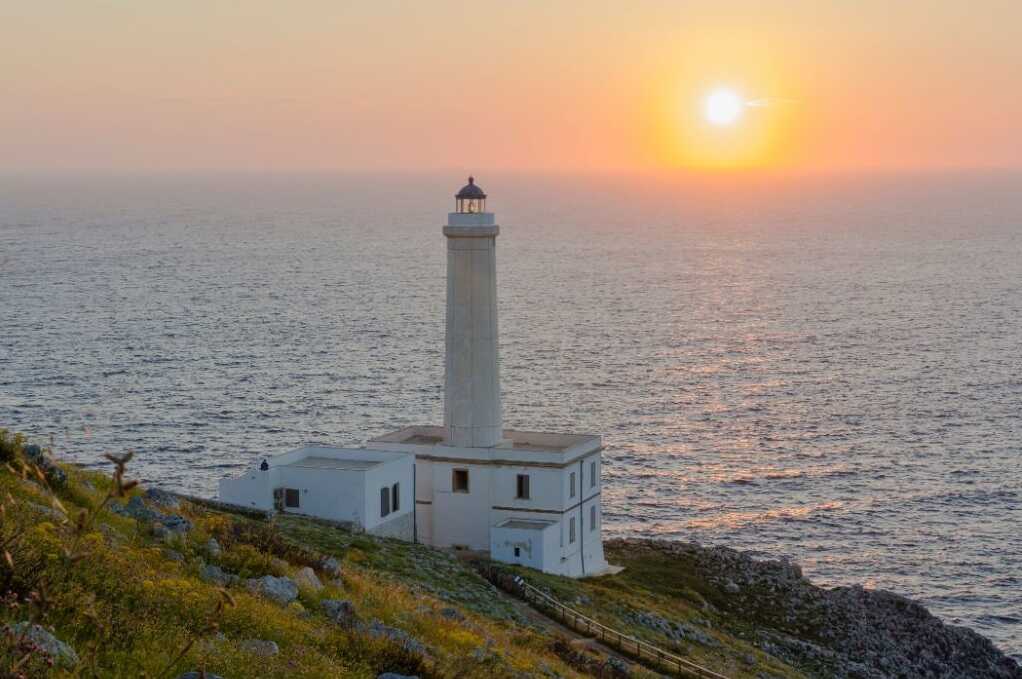
Coming here means standing symbolically on the threshold between East and West. This is the first place in Italy where the sun rises, and watching the sunrise from Punta Palascia is an intense and almost meditative experience.
The lighthouse, surrounded by wild cliffs and Mediterranean vegetation, can now be visited and houses a small museum dedicated to the sea and navigation. Even at sunset, when the light softens and the sea reflects metallic shades, this place offers powerful emotions and a deep sense of connection with nature that absolutely shouldn’t be missed.
The Bauxite Quarry: a surreal landscape in the heart of Salento
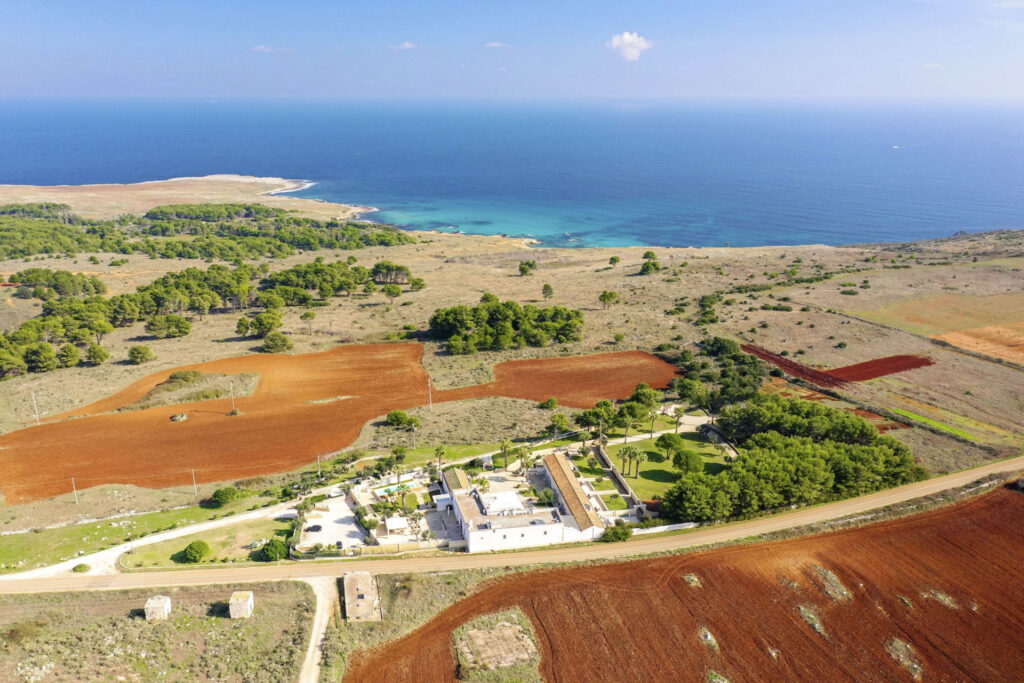
Just minutes from the center of Otranto lies another completely different and unexpected landscape: the Bauxite Quarry, a place that seems to belong to another planet.
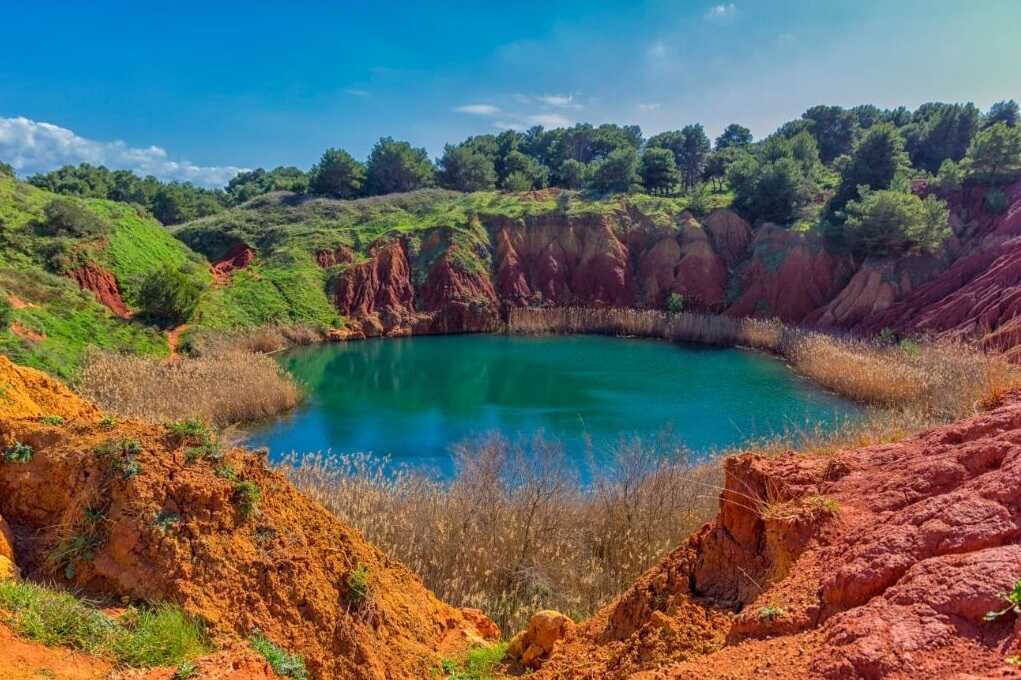
Here, the intense red earth contrasts dramatically with the green vegetation and the turquoise water filling the old quarry, creating an extraordinary visual impact. Once used for bauxite extraction, the area is now a beloved natural site, perfect for peaceful walks, photography, or simply stopping to admire the silence.
It’s one of those places that reveals a different side of Salento — less known, yet incredibly fascinating.
Eating in Otranto
Last but definitely not least: Apulian food. In Apulia, everyone knows the food is amazing, and Otranto is no exception. In fact, it’s one of the highlights of the trip.
The local cuisine is based on simple yet incredibly flavorful ingredients: ultra-fresh seafood, orecchiette with turnip greens, mussels, octopus, light fried dishes, and recipes rooted in both farming and fishing traditions. Sitting down for a meal here becomes an essential part of the journey: every lunch and dinner turns into a memorable experience, especially when paired with a great local Apulian wine.

Between one walk and another, Otranto also knows how to spoil you with street food. Rustici leccesi, warm focaccia, octopus sandwiches, and swordfish panini are perfect for a quick yet unforgettable snack. And then there are the desserts: above all the famous pasticciotto, but also fruttoni, almond pastries, and many local specialties that make every break a small moment of happiness.

How to get to Otranto and how to get around
Getting to Otranto is easy. The nearest airport is Brindisi Airport, well connected with many Italian and European cities. From Brindisi, you can continue by renting a car or using a private transfer service, a convenient and stress-free option.
Once in Otranto, the historic center can easily be explored on foot, and many activities can be enjoyed through organized tours.
Otranto is also an excellent base for organizing your holiday in Salento. From here, you can plan various day trips combining sea, villages, nature, and culture, taking inspiration from the itineraries we’ve created, designed to help you explore the region at a relaxed and balanced pace.
However, if you want to discover beaches, hidden coves, and nearby towns freely and independently, renting a car remains the best option. It’s the ideal way to experience Otranto and Apulia at your own rhythm.