Author: ApuliaTrip

  • Due Palme Winery – Cellino San Marco

    Due Palme Winery – Cellino San Marco

    Among ancient olive trees, dry-stone walls, and the intense southern sun, in the heart of the most authentic Salento, stands Cantine Due Palme.

    We are in Cellino San Marco, in the province of Brindisi, a strategic location that also embraces the territories of Lecce and Taranto — a true crossroads of Apulian wine culture, where farming tradition meets modern winemaking innovation.
    Due Palme Winery - Cellino San Marco
    Due Palme Winery – Cellino San Marco

    A story of vision and renewal

    The story of Cantine Due Palme began in 1989, when Angelo Maci — a visionary figure deeply connected to his land — decided to transform the future of local viticulture.

    At a time when Apulian grapes were often sold at very low prices, the idea emerged to create a cooperative capable of enhancing the work of small growers while restoring dignity and value to the territory itself.
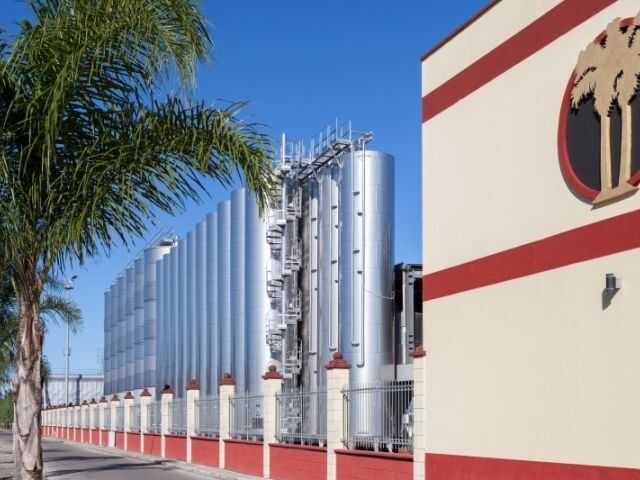
    Starting from a small group of producers, the cooperative quickly expanded to include more than a thousand members and thousands of hectares of vineyards across Salento. Over time, it also incorporated several historic local wineries, including the Cantina Sociale Riforma Fondiaria of Cellino San Marco (1955), Cantina Angelini of San Pietro Vernotico (1961), and Cantina San Gaetano of Lizzano (1959).

    The integration of these historic wineries — some dating back to the 1950s and 1960s — further strengthened the cooperative, transforming Due Palme into one of the most representative wine cooperatives in Puglia.

    It is a story built on community, collaboration, and a shared vision: making wine not just a product, but a cultural symbol.

    Winemaking and iconic labels

    Today, Cantine Due Palme represents an important name in Apulian winemaking, with a wide and diverse production that ranges from powerful reds to fresh whites, elegant rosés, sparkling wines, and sweet passito wines.
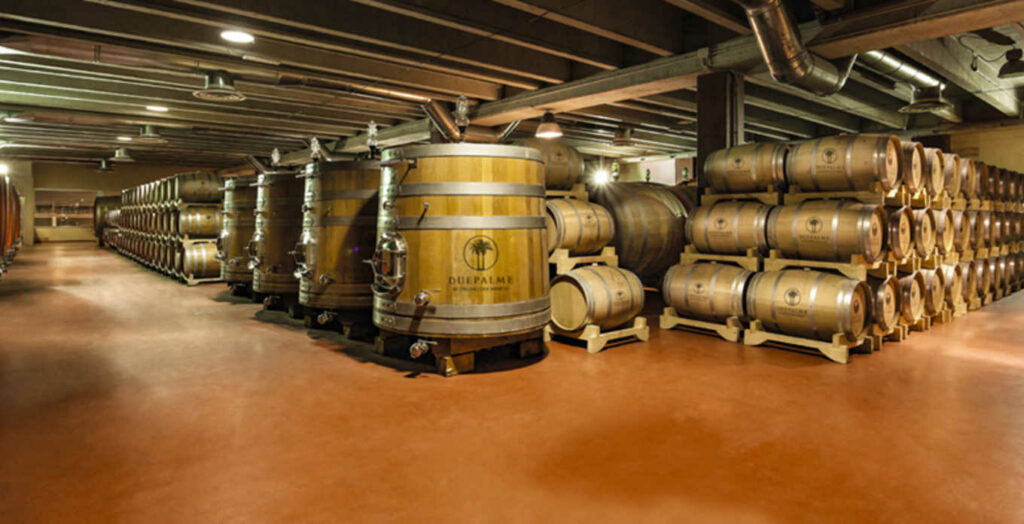
    Due Palme Winery - Cellino San Marco
    Due Palme Winery – Cellino San Marco

    At the heart of the winery’s identity remains the promotion of native grape varieties such as Negroamaro, Malvasia Nera, Primitivo, and Susumaniello.

    Among the winery’s most iconic labels are:

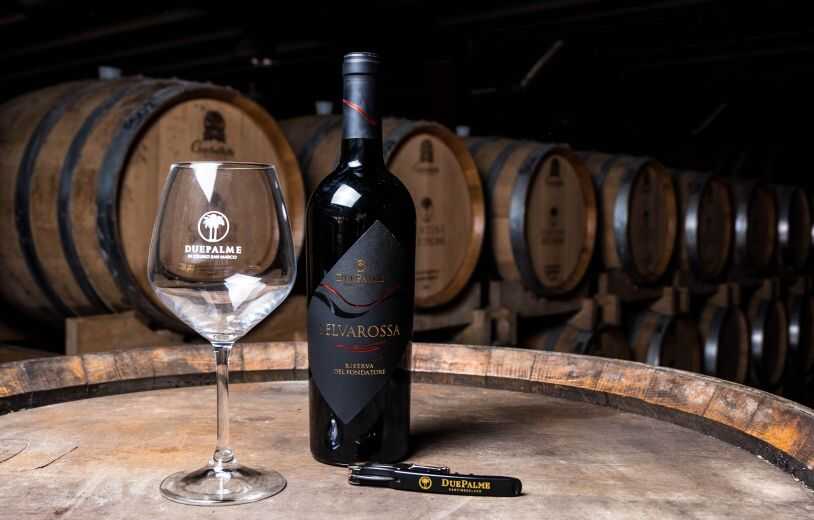
    • Selvarossa Riserva, a true symbol of Salento, appreciated for its structure and depth and awarded multiple prestigious national prizes;
    • 1943 del Fondatore, a refined and celebratory wine;
    • Corerosa, a bright and delicate expression of Salento rosé.
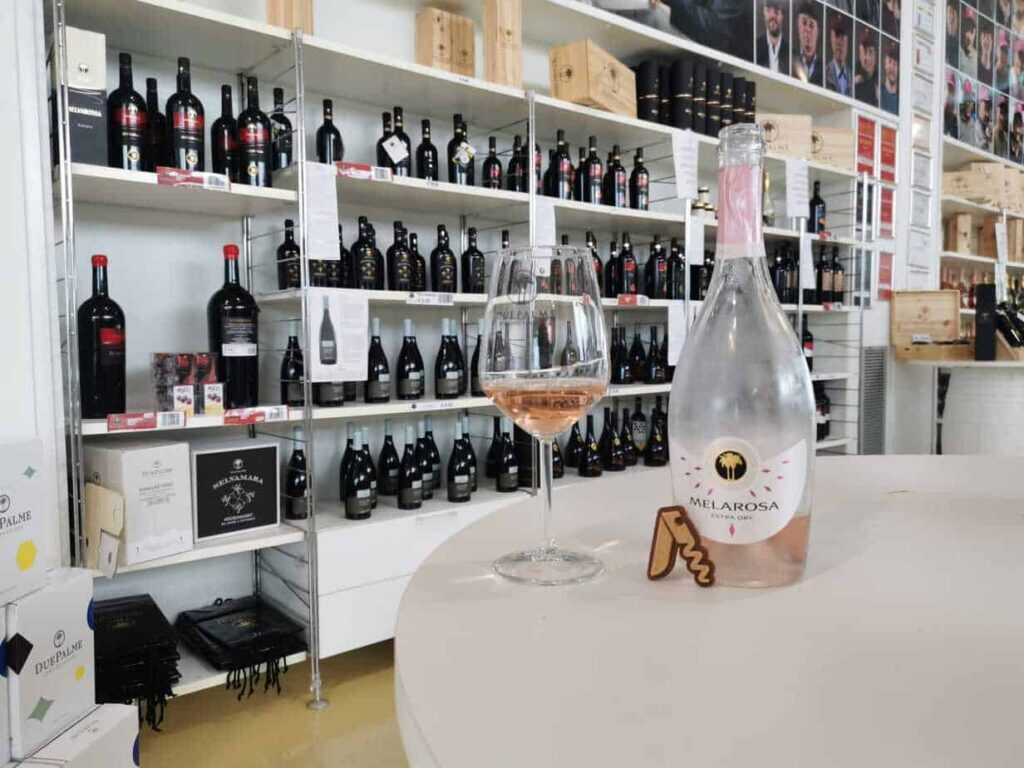
    Due Palme Winery - Cellino San Marco
    Due Palme Winery – Cellino San Marco

    The entire production process is managed internally, from vineyard to bottle, ensuring traceability and consistent quality — a distinctive feature rarely found in the cooperative wine world.

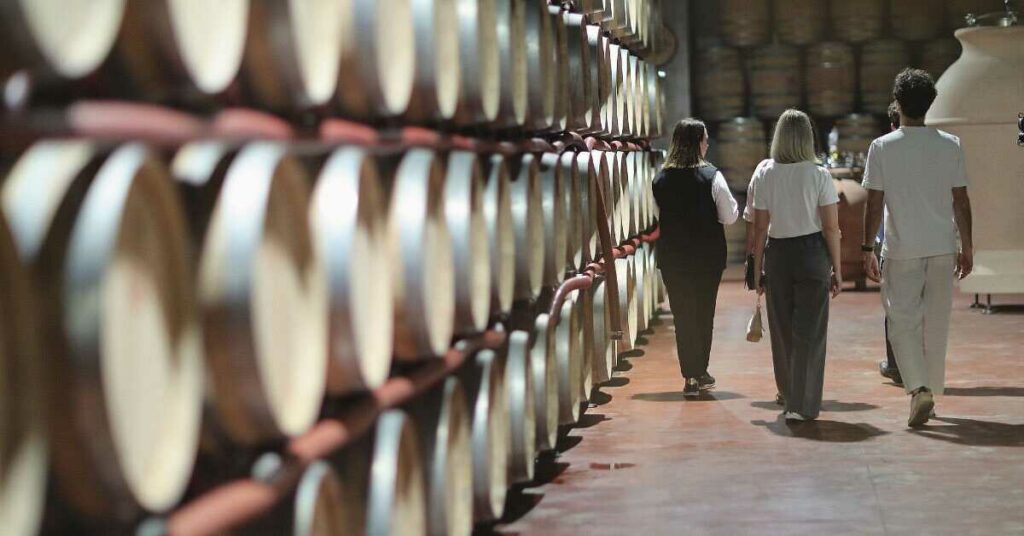
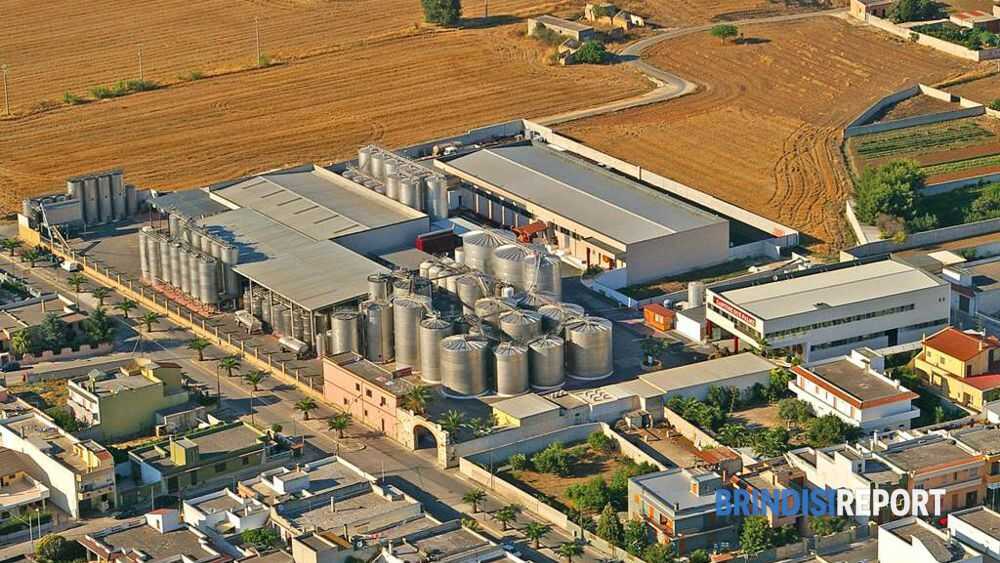
    The main winery, covering more than 45,000 square meters, houses advanced winemaking technology as well as an impressive underground barrel cellar where the wines age in French and American oak barrels.

    Tastings and wine experiences

    Visiting Cantine Due Palme is much more than simply tasting wine — it is a fully immersive and authentic sensory experience.
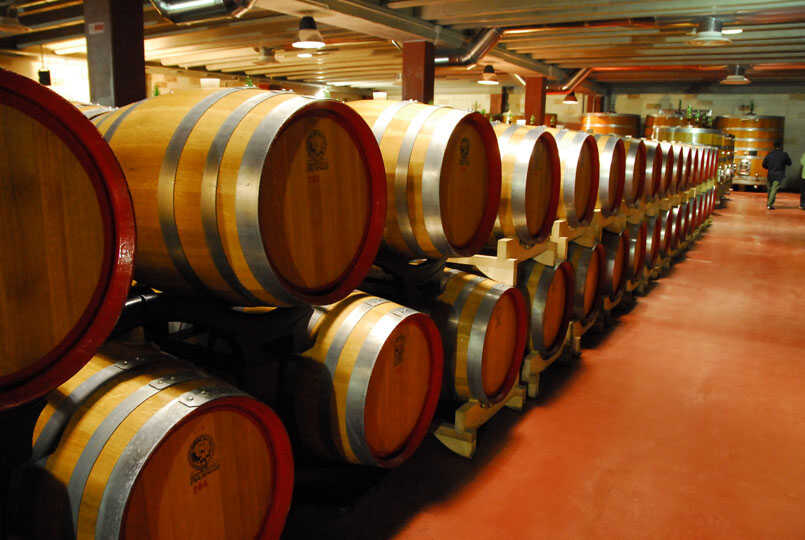
    Due Palme Winery - Cellino San Marco
    Due Palme Winery – Cellino San Marco

    The winery offers experiences designed to guide visitors through the local food and wine heritage, turning every tasting into a story about the territory itself.

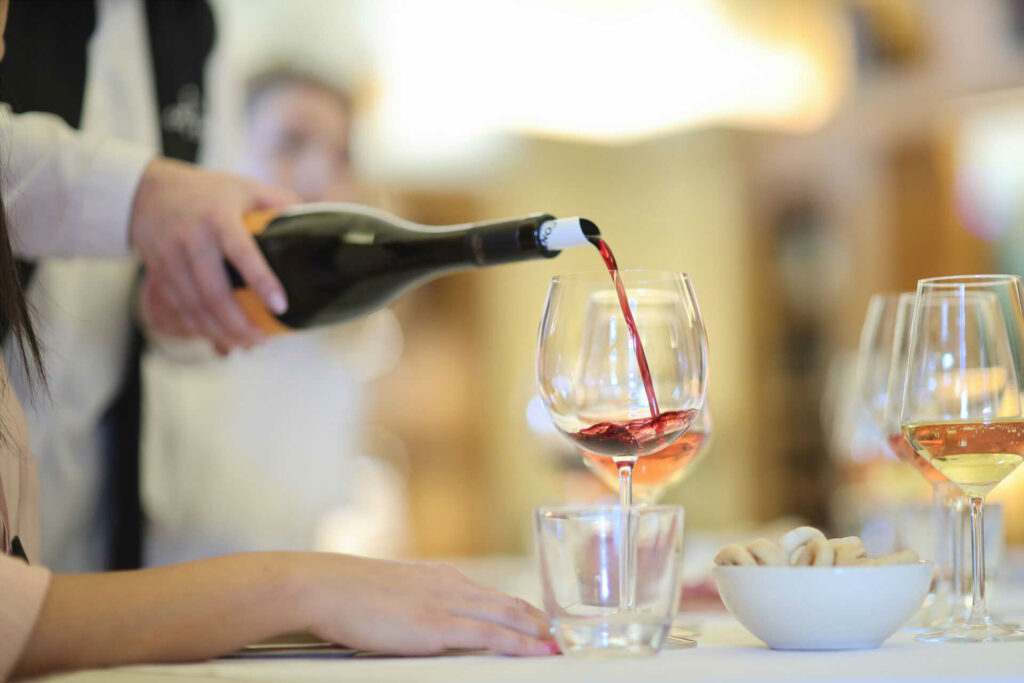
    Wine tastings are undoubtedly the highlight of the visit. Guests can explore a variety of wines, from full-bodied reds and fresh rosés to rich passito wines, discovering the differences between grape varieties and winemaking techniques.

    The tastings take place in elegant and welcoming spaces, often accompanied by traditional Salento specialties that enhance the character of the wines being served. The staff guide visitors with expertise and warmth, explaining the grape varieties, production methods, and unique characteristics of the winery’s most representative labels.

    Special attention is also given to hospitality and comfort, with accessible facilities and spaces designed to welcome both groups and private events.

    Hospitality and immersive stays

    A particularly important aspect of the experience is its hospitality dimension. The visit goes beyond the winery itself and becomes a truly immersive stay thanks to accommodations connected to the Due Palme world, such as the Villa Neviera Wine Resort and the Kelina Charme Hotel, both designed for travelers who want to experience the territory slowly and authentically.

    It is precisely this combination of professionalism, wine culture, and Mediterranean hospitality that makes the experience at Cantine Due Palme something far beyond a traditional winery visit. It is the living expression of a territory that has successfully reinvented itself.

    From the bold vision of the 1980s to the modern and structured reality of today, this cooperative embodies the deep connection between people, land, and wine culture.
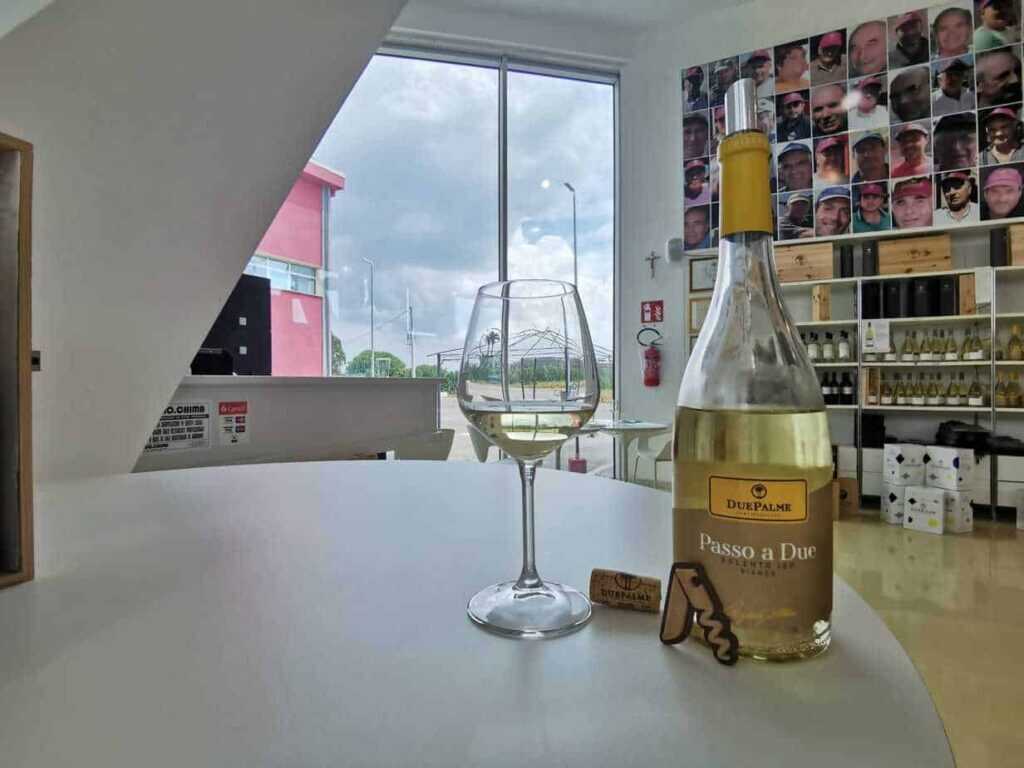

    Due Palme Winery - Cellino San Marco
    Due Palme Winery – Cellino San Marco
  • Cantina Coppola 1489 – Gallipoli

    Cantina Coppola 1489 – Gallipoli

    In the Apulian wine landscape, Cantina Coppola stands as one of the region’s oldest and most fascinating wineries, preserving a winemaking tradition that dates back to the 15th century.

    Located in Gallipoli, in the heart of Salento, this historic estate is the result of more than five centuries of passion, passed down through generations of the Coppola family.

    Cantina Coppola 1489 - Gallipoli
    Cantina Coppola 1489 – Gallipoli

    A story spanning more than five centuries

    The origins of the winery date back to 1489, when Laura Cuti brought the “Li Cuti” estate into the Coppola family through marriage, beginning a long tradition centered on viticulture — especially the cultivation of Negroamaro, the iconic grape variety of Salento.

    Since then, the winery has never interrupted its activity, a rare continuity that has allowed the family to build a deep connection with the land and its traditions while also embracing innovation and the modern wine market.

    Cantina Coppola 1489 - Gallipoli
    Cantina Coppola 1489 – Gallipoli

    Wine production and the estates

    Cantina Coppola’s production is spread across several estates located between Gallipoli, Alezio, and Sannicola — areas renowned for their winemaking heritage.

    Cantina Coppola 1489 - Gallipoli
    Cantina Coppola 1489 – Gallipoli

    Among the most important estates are:

    • Tenuta Li Cuti, the historic heart of the winery, entirely dedicated to Negroamaro vineyards;
    • Tenuta Patitari, a larger and more diverse estate featuring vineyards, olive groves, and woodlands;
    • Tenuta Santo Stefano, characterized by varied soils and beautiful views over the Ionian Sea;
    • Tenuta Doxi, the center of production for the Alezio DOC wines.

    The vineyards’ proximity to the winery allows the grapes to be processed immediately after harvest, preserving freshness and quality.

    The wine collection includes reds, whites, rosés, reserve wines, and traditional-method sparkling wines, all authentic expressions of the Salento territory.

    Among the standout labels are wines based on Negroamaro and Primitivo, grape varieties that perfectly embody the local wine identity and are crafted through a combination of traditional methods and modern techniques.

    A winery between tradition and contemporary design

    The winery’s current headquarters are located within the Tenuta Patitari Torre Sabea estate, just a short distance from the sea.

    Cantina Coppola 1489 - Gallipoli
    Cantina Coppola 1489 – Gallipoli

    The site was once home to old stables, a hay barn, and a rural farmhouse, and today has been transformed into a modern and functional space covering around 1,000 square meters.

    The architectural project carefully converted the historic rural structure into a place where production and hospitality coexist harmoniously.

    The winery includes:

    • production and storage areas;
    • a wine room dedicated to tastings and wine sales;
    • a company museum featuring historic winemaking tools;
    • panoramic terraces and outdoor spaces;
    • guided routes through the barrel rooms and production areas.

    This approach reflects a contemporary vision of the wine business, where sustainability, hospitality, and visitor experience play a central role.

    Tastings and wine experiences

    Cantina Coppola is far more than just a production site — it is a true wine tourism destination.

    Cantina Coppola 1489 - Gallipoli
    Cantina Coppola 1489 – Gallipoli

    The winery offers guided tours and tastings that allow visitors to immerse themselves in the family’s story, discover the winemaking process, and explore the history behind the estate.

    Among the experiences available are:

    • themed tastings dedicated to the winery’s different wine collections;
    • wine journeys focused entirely on Negroamaro and its many expressions;
    • complete wine tours paired with local gastronomy;
    • dinners and special events held directly among the vineyard rows.

    Within the estate, visitors can also find the restaurant Al Vigneto, where local cuisine is paired with the winery’s wines in a stunning setting overlooking the vineyards, with the possibility of dining outdoors among the vines.

    A vision between past and future

    Cantina Coppola 1489 is a perfect example of how a historic winery can evolve without losing its identity.

    Cantina Coppola 1489 - Gallipoli
    Cantina Coppola 1489 – Gallipoli

    The balance between deep roots, respect for the territory, and openness to innovation has allowed the winery to become an important reference point in the Apulian wine scene.

    And it is precisely in this harmony between memory and modernity that the winery’s most authentic value can be found: a place where wine is not only produced, but also told, experienced, and shared.

  • Cantina Cantele – Guagnano

    Cantina Cantele – Guagnano

    Located in the heart of the Salice Salentino DOC area, among endless vineyards and sea breezes drifting inland, Cantine Cantele stands in Guagnano, in the province of Lecce. Here, in one of the regions most naturally suited to viticulture in Puglia, the Cantele family has built over time a winery capable of telling the story of the land through authentic wines and a complete cultural experience.

    Cantele Winery - Guagnano
    Cantele Winery – Guagnano

    A family story and his vision

    The history of Cantine Cantele begins with a personal journey that long predates the official foundation of the winery. As early as the first decades of the twentieth century, Giovanni Battista Cantele was already involved in the trade of bulk wine between Southern and Northern Italy, gradually building an increasingly strong connection with Puglia and, in particular, with the Salento region.

    The decisive moment came in the 1950s, when he and his wife Teresa Manara made a bold and unconventional choice for the time: leaving Northern Italy to settle permanently in the South. At a historical moment marked by migration toward the country’s industrialized areas, the Cantele family undertook what could be described as a true “reverse migration” attracted by the light, landscapes, and still-unexplored potential of Salento.

    Cantele Winery - Guagnano
    Cantele Winery – Guagnano

    This bond with the land strengthened over the years and finally took concrete shape in 1979, when the sons Augusto and Domenico, together with their father, officially founded Cantina Cantele in Guagnano.

    Their goal was clear: to enhance native Apulian grape varieties and establish local wine as a high-quality product, overcoming the old perception of Salento wines as merely blending wines.

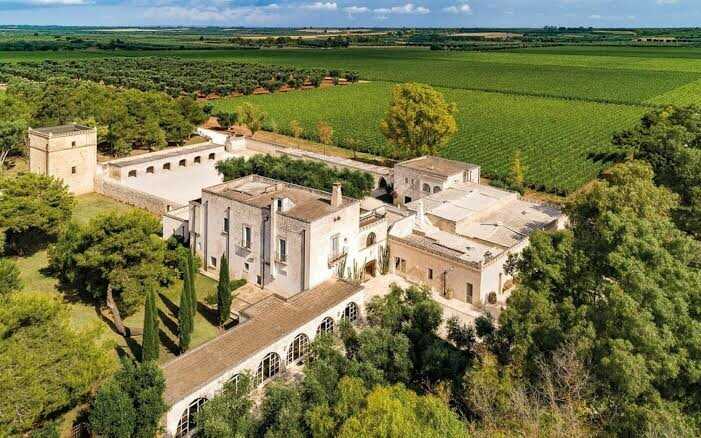
    Over the years, the winery has evolved without ever losing touch with its roots. The construction of the new winery in the early 2000s marked another important step forward: a modern space inspired by traditional Apulian masserie, symbolically representing the meeting point between tradition and innovation.

    Production: Salento identity with an international outlook

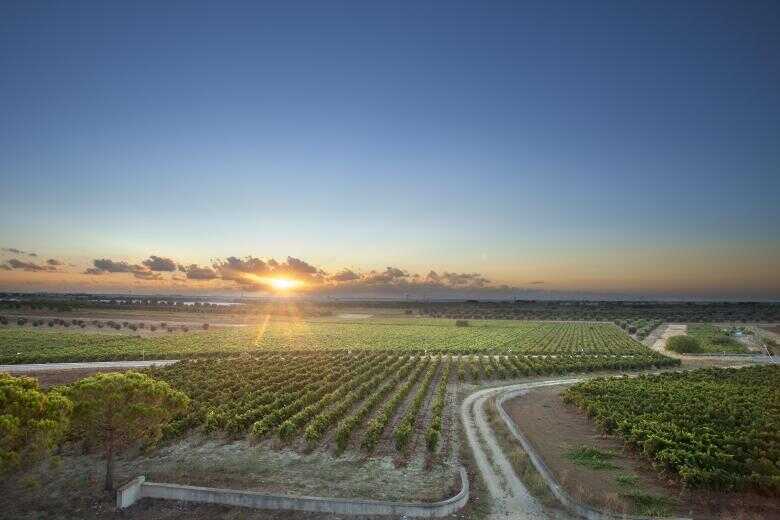
    Today, Cantine Cantele manages around 50 hectares of estate-owned vineyards, alongside another 150 hectares under cultivation agreements. The soils, characterized by calcarenitic composition and a breezy Mediterranean climate, create the ideal environment for wine growing.

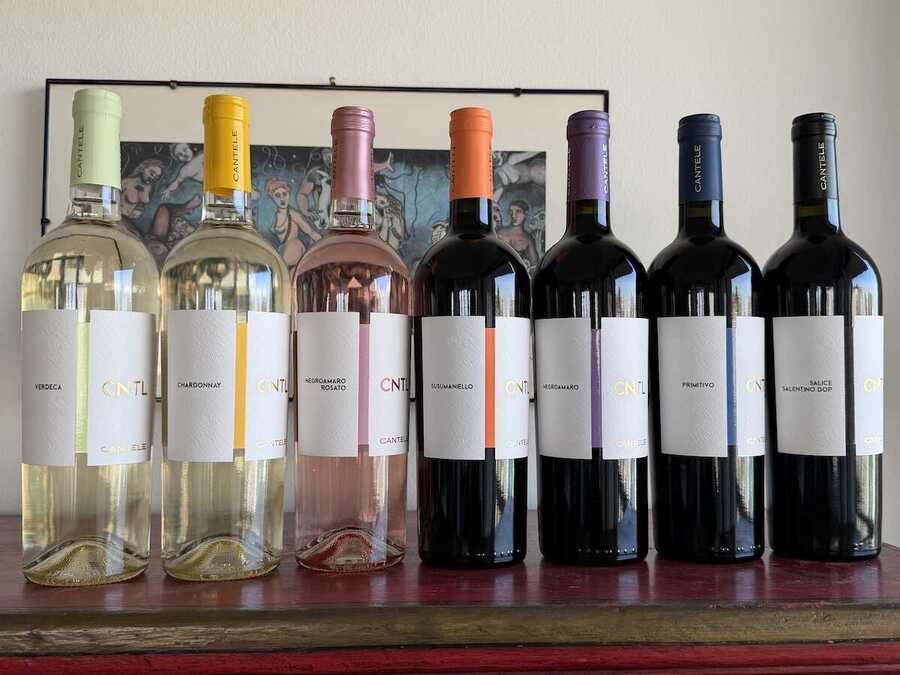
    The leading role in production belongs to native grape varieties — Negroamaro, Primitivo, Susumaniello, Verdeca, and Malvasia Bianca — which find some of their finest expressions here. Alongside these, Chardonnay demonstrates how international varieties can also achieve remarkable complexity thanks to the unique soil and climate conditions of Salento.

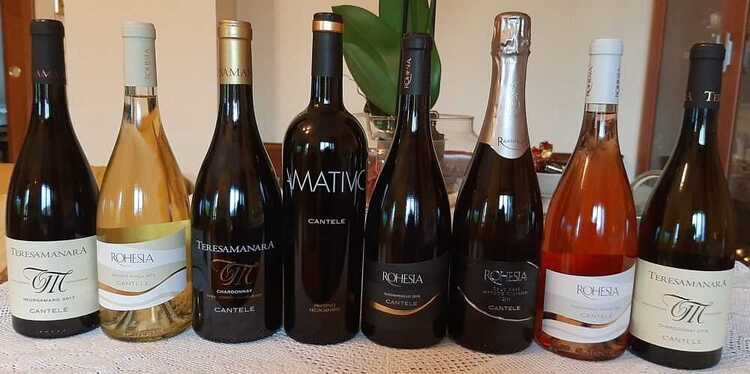
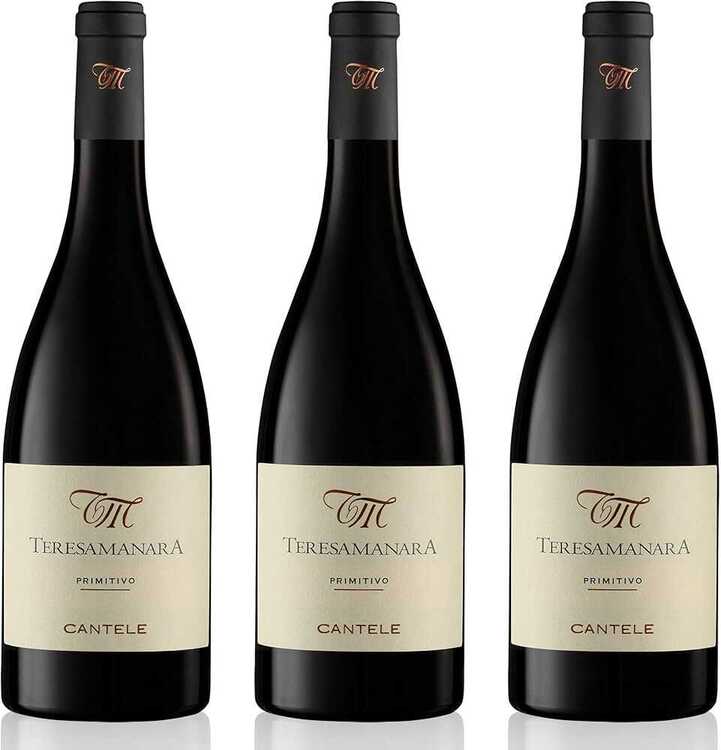
    The winery’s portfolio is broad and diverse: from fresher, more approachable labels in the entry-level range to structured wines with great aging potential. Among the most representative collections is the “Teresa Manara” line, a tribute to the family matriarch, featuring elegant and profound interpretations of Negroamaro, Primitivo, and Chardonnay.

    Alongside these, labels such as Amativo — a blend of Negroamaro and Primitivo — as well as the Fanòi and Rohesia lines, showcase the winery’s ability to move between tradition and innovation, creating wines that speak both the language of the territory and that of the international wine scene.

    Winery experiences: the iSensi project

    Cantine Cantele is not only about wine production, but also about cultural and sensory experiences. A perfect example is the iSensi project, a synesthetic laboratory that represents the winery’s most creative and contemporary soul.

    Cantele Winery - Guagnano
    Cantele Winery – Guagnano

    iSensi is a dynamic, multifunctional space where wine becomes the common thread connecting experiences that engage all the senses. Guided tastings, creative workshops, artistic events, cooking classes, literary gatherings, and live music all come together in an environment designed to stimulate perception and sharing.

    The approach is intentionally unconventional: every activity is tailor-made, without standardized routes, with the aim of offering an authentic and immersive experience. Visitors are not mere spectators, but active participants in a story that combines wine, art, and territory.

    Wine as a storytelling tool for the territory

    Today, Cantine Cantele represents a benchmark in the Apulian wine landscape thanks to a perfect balance between family tradition, innovation, and cultural openness. From the enhancement of native grape varieties to the sensory experimentation of iSensi, every aspect of the winery contributes to telling the story of Salento in an authentic and contemporary way.

    More than just a winery, Cantele is a place where wine becomes a universal language: a means of expressing identity, memory, and vision. A story that continues to evolve while remaining deeply rooted in the land that made it possible.

  • Conti Zecca Winery – Leverano

    Conti Zecca Winery – Leverano

    In the heart of Salento, in the countryside of Leverano in the province of Lecce, stands Conti Zecca Winery, one of the most representative wine-producing estates in Puglia. For five centuries, the Zecca family has preserved a deep connection with this land, transforming tradition, passion, and innovation into wines capable of expressing the authentic soul of the Salento territory. Surrounded by sun-kissed vineyards and a winemaking culture passed down from generation to generation, the winery is now a benchmark for quality and excellence in Apulian wine.

    Cantina Conti Zecca – Leverano
    Conti Zecca Winery – Leverano

    Five Centuries of History Between Nobility and Innovation

    The history of the Conti Zecca family dates back to 1580, when the family, originally from Naples, moved to Puglia and began extensive agricultural activities. Over the centuries, the connection with the land grew so strong that in 1884 Pope Leo XIII granted the family a noble title in recognition of their achievements.

    The modern turning point came in 1935, when Count Alcibiade Zecca decided to vinify the family’s own grapes, establishing the winery in Leverano. Since then, generation after generation, the family has guided the company while maintaining a balance between tradition and innovation, leading up to the current heirs who continue to develop the wine project with a sustainable and contemporary vision.

    Conti Zecca Winery – Leverano
    Conti Zecca Winery – Leverano

    Today, Conti Zecca is one of the most important wineries in Salento, with a history spanning more than five centuries and a production philosophy that looks toward the future without forgetting its roots.

    Vineyards, labels and production philosophy

    The winery extends across approximately 250–320 hectares of vineyards distributed between Leverano, Veglie, and Salice Salentino. The four main estates — Donna Marzia, Cantalupi, Saraceno, and Santo Stefano — represent the productive heart of the company, each characterized by unique soil and climate conditions.

    Conti Zecca Winery – Leverano
    Conti Zecca Winery – Leverano

    Production exceeds 2.5 million bottles per year and includes red, rosé, and white wines, highlighting native grape varieties such as Negroamaro, Primitivo, and Malvasia, alongside international varieties like Chardonnay and Cabernet Sauvignon.

    Among the most representative labels are:

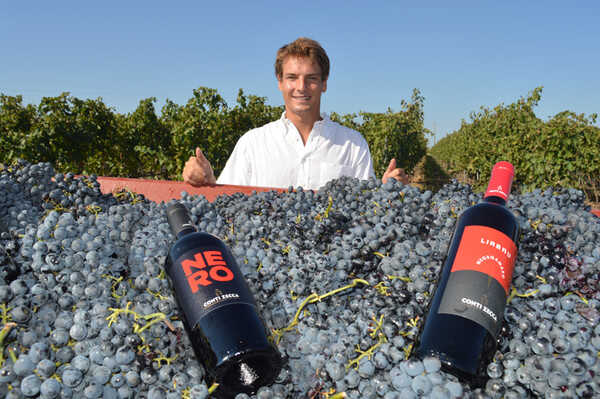
    • Cantalupi, a symbol of Salento Negroamaro
    • Luna, an elegant, fresh, and modern white wine
    • Venus, an iconic and territorial rosé
    • Nero, a structured and contemporary blend

    The production approach increasingly focuses on sustainability, with integrated farming practices and growing attention to organic agriculture, in respect of what the producers define as the genius loci — the deep identity of the territory.

    Winery experiences

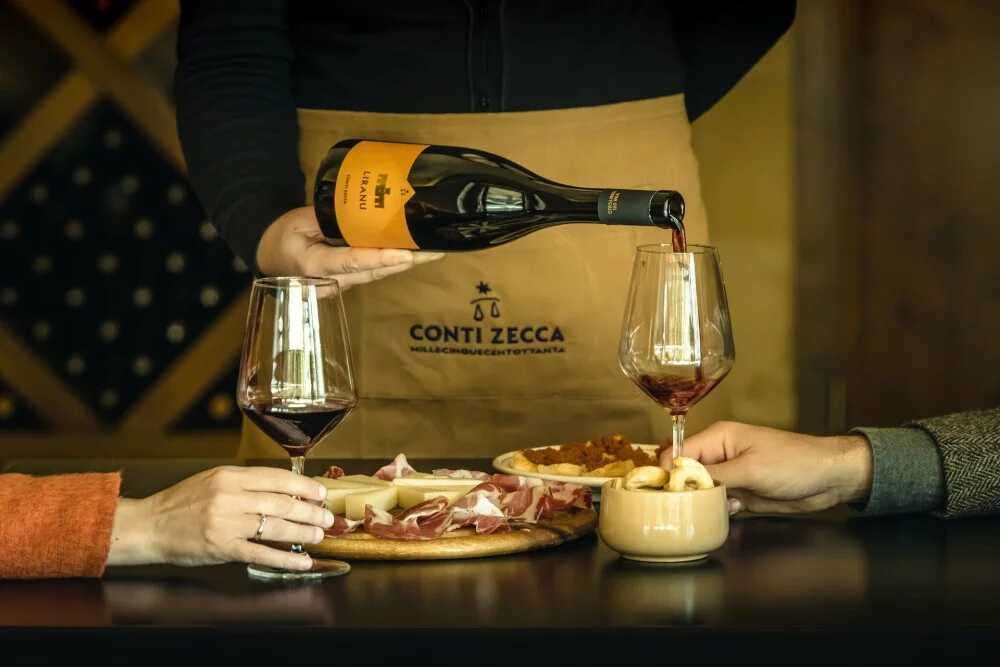
    Visiting Conti Zecca Winery is not simply about tasting wine, but about enjoying an immersive experience in the world of Salento winemaking. Tours, available by reservation from Monday to Saturday, guide guests through the production areas, from the underground barrel cellar to the bottling line.

    Conti Zecca Winery – Leverano
    Conti Zecca Winery – Leverano

    The heart of the experience, however, lies in the tastings, designed for different levels of interest and curiosity:

    • Classic: guided tour and tasting of 3 wines, ideal for a first introduction
    • Selection: tasting paired with traditional local products
    • Premium: a more complete experience featuring 5 wines and regional specialties
    • Negroamaro Experience: a thematic journey dedicated to Salento’s signature grape variety
    • Short Afternoon Tastings: shorter but still engaging tasting formats

    Particularly fascinating is the opportunity to participate in tastings held in spaces dedicated to historical vintages or mini vertical tastings, allowing guests to understand how wine evolves over time.

    Everything is enriched by local gastronomic pairings that enhance the wines, transforming the tasting into a true sensory story of the territory. The attentive hospitality and direct wine sales complete an authentic and accessible wine tourism experience.

    Conti Zecca Winery represents a perfect synthesis of Salento: history, landscape, tradition, and innovation coexist harmoniously.

    Whether you are a wine enthusiast or simply a curious traveler, a visit here offers far more than a tasting — it is a journey into Apulian agricultural culture, among vineyards, family stories, and glasses filled with the flavors of sunshine and red earth.

    A place where time seems to slow down, leaving room for the authentic pleasure of fine wine and warm hospitality.

  • Masseria Altemura Winery – Torre Santa Susanna

    Masseria Altemura Winery – Torre Santa Susanna

    Masseria Altemura - Torre Santa Susanna
    Masseria Altemura – Torre Santa Susanna

    Surrounded by the countryside of Torre Santa Susanna, in the heart of the Salento peninsula, Masseria Altemura enjoys an extraordinary geographical location, perfectly positioned between the Adriatic and Ionian Seas.

    This dual maritime influence brings constant breezes to the vineyards, favorable temperature variations, and a natural salinity that contributes to the distinctive character of the wines.

    The landscape is the essence of ancient Messapia: red soil, white limestone rocks reflecting the sunlight, olive groves, and vineyards that change color with the seasons. Here, the territory is not simply a backdrop, but an essential part of the estate’s wine identity.

    An ancient story between tradition and renewal

    The masseria dates back to the 17th century, when it was originally built as a fortified agricultural estate.

    Today, it has been carefully restored while preserving its original architectural character and historical features. The modern winery, by contrast, represents an example of contemporary sustainable architecture, designed to blend naturally into the surrounding landscape while supporting an environmentally conscious production cycle.

    The estate is located within the prestigious Primitivo di Manduria DOC area, one of Italy’s most renowned appellations for native red wines.

    Masseria Altemura has become an essential destination for anyone wishing to enjoy a complete wine experience in the heart of Salento — combining history, architecture, identity-driven wines, and refined hospitality.

    Masseria Altemura - Torre Santa Susanna
    Masseria Altemura – Torre Santa Susanna

    Wines and production

    Today, the estate extends across more than 300 hectares, around 130 of which are dedicated to vineyards, making it one of the leading symbols of the renaissance of Apulian wine.

    At the center of production are native grape varieties cultivated with a strong focus on sustainability and respect for the territory. The undisputed star is Primitivo, accompanied by Negroamaro, Aglianico, and Fiano.

    Among the estate’s most representative labels are:

    • Altemura Primitivo di Manduria DOC, the winery’s iconic wine and a refined, complex expression of the territory;
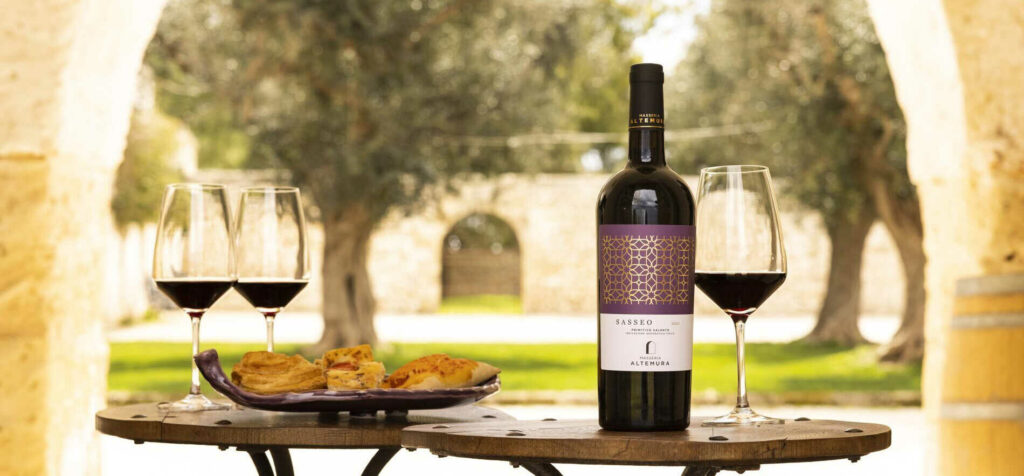
    • Sasseo Primitivo Salento IGT, intense and structured;
    • Zìnzula Rosé, elegant and fresh, symbolizing the estate’s rosé production;
    • Rosamaro Spumante Brut, a lively and contemporary sparkling interpretation;
    • Fiano, an aromatic and mineral-driven white wine.

    The production philosophy combines advanced winemaking techniques with deep respect for tradition, creating wines that authentically express the Salento terroir.

    Wine experiences and tastings

    The estate is open year-round and offers visitors immersive experiences designed for both wine enthusiasts and curious travelers.

    Masseria Altemura - Torre Santa Susanna
    Masseria Altemura – Torre Santa Susanna
    • Guided tours lead guests through the vineyards, the winery, and the historic spaces of the masseria, creating a narrative that blends landscape, architecture, and wine culture.
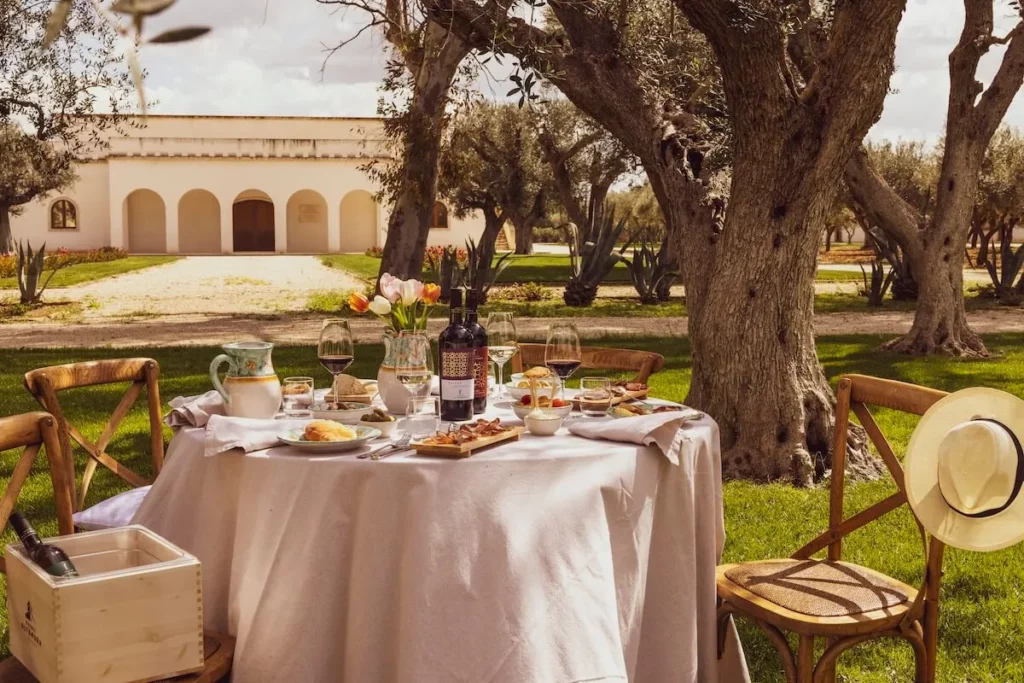
    • Wine tastings are the central moment of the experience. Visitors can enjoy guided samplings of different labels, often paired with traditional local products. The average experience lasts around two hours, with customizable options available by reservation.
    • For a more complete experience, guests can also choose aperitivo or lunch formulas that transform the visit into a true gastronomic journey, featuring several wines paired with local specialties such as stracciatella cheese, focaccia, and fresh mozzarella.

    Ultimately, the experience is about far more than simply drinking wine. It is about understanding its origins, listening to the story of the land, and enjoying an authentic moment suspended between tradition and modernity.

    Visiting Masseria Altemura means entering a small world where history, landscape, and wine culture merge in perfect harmony.

    Among vineyards illuminated by the Salento sun, historic architecture, and wines that truly tell the story of the territory, this estate represents an unmissable stop for anyone wishing to discover the most authentic soul of Puglia.

    Its strategic location also makes it an ideal starting point for itineraries that combine the sea, historic villages, and other outstanding wineries across the region.